
Daylight saving 2026 ends in US: India's time gap grows to 10.5 hours
 By Kabir SethiEducation Correspondent, Peepals Yuva
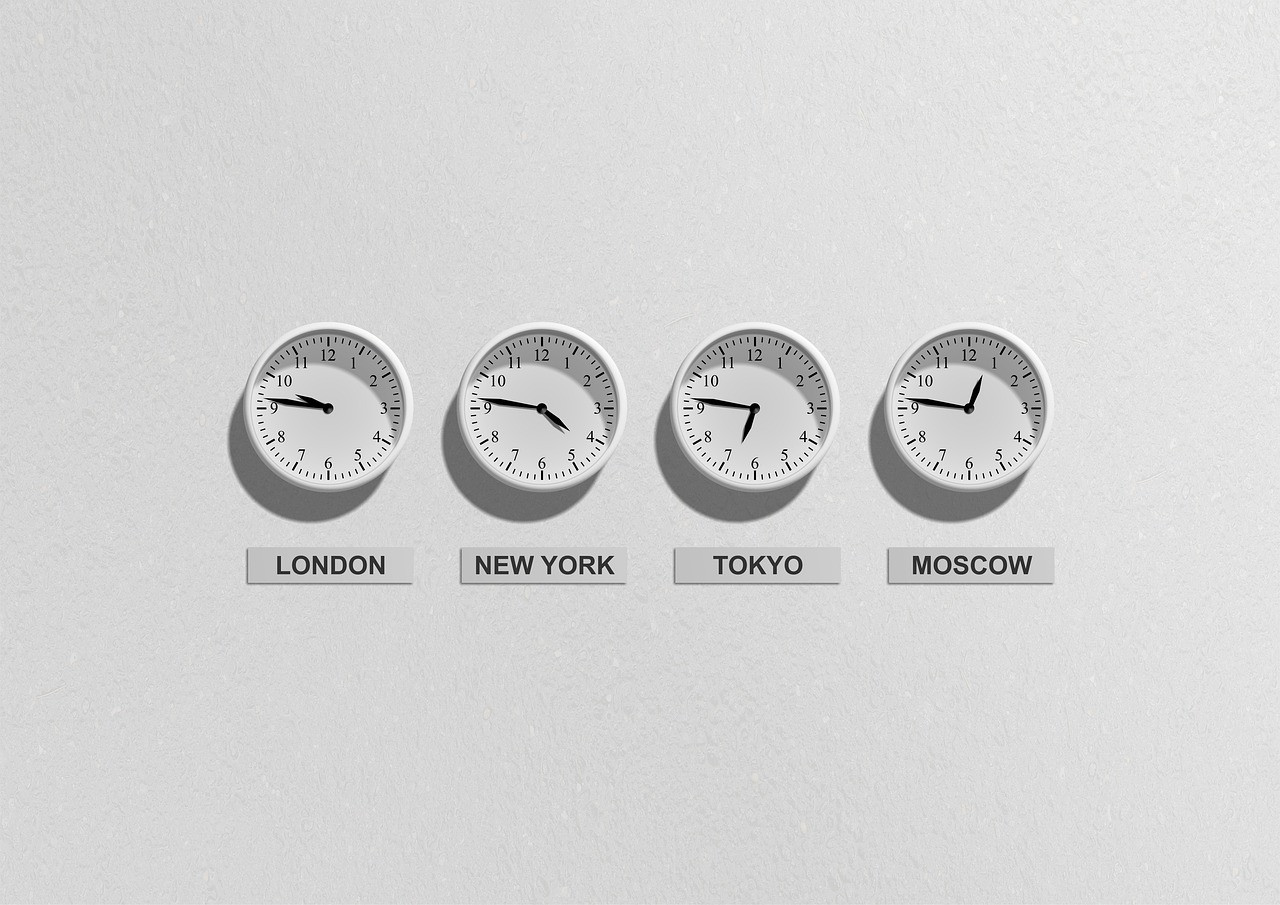
Representative image: jarmoluk / Pixabay
US clocks fell back an hour on November 1, 2026, so New York is now 10 hours 30 minutes behind India, one hour more than before; calls and deadlines shift.
What Happened
Daylight savings 2026 ended in most of the United States on Sunday, November 1, 2026, when clocks were turned back one hour at 2 am local time, to 1 am. India does not change its clocks and stays on Indian Standard Time (IST), five and a half hours ahead of Coordinated Universal Time (UTC), all year. As a result, the time difference between India and the US has grown by an hour: New York is now 10 hours 30 minutes behind India, up from 9 hours 30 minutes, and California is 13 hours 30 minutes behind, up from 12 hours 30 minutes. The US clocks will move forward again on Sunday, March 14, 2027.
Key Facts
- US daylight saving time ended at 2 am local time on Sunday, November 1, 2026; clocks went back to 1 am.
- India does not observe daylight saving; IST stays at UTC+5:30 all year.
- New York (Eastern Time, now UTC-5): 10 hours 30 minutes behind IST, one hour more than before.
- Chicago and Texas (Central Time, UTC-6): 11 hours 30 minutes behind IST.
- California (Pacific Time, UTC-8): 13 hours 30 minutes behind IST.
- Hawaii, most of Arizona, Puerto Rico, Guam, the US Virgin Islands and American Samoa do not use daylight saving, so their gap with India did not change.
- Daylight saving resumes in the US on Sunday, March 14, 2027.
Why It Matters
For many young Indians, US time is part of daily life. Students preparing applications for American universities work to deadlines set in US time zones. Graduates in India's IT services firms, global capability centres and start-ups often join calls with US colleagues and clients. Freelancers, content creators and gamers schedule work and live streams around American audiences. All of them now need to adjust by an hour.
The arithmetic is simple but easy to get wrong. A 9 am meeting in New York, which fell at 6:30 pm in India until last week, now falls at 7:30 pm IST. A 5 pm New York deadline is now 3:30 am IST the next day, not 2:30 am. For California, a 9 am call is now 10:30 pm in India. Calendar apps usually adjust automatically if the meeting was created with the correct time zone, but a time typed in a chat message or email ("let's talk at 7 pm your time") will not move by itself.
The change also affects young investors who trade in US shares from India. US stock exchanges open at 9:30 am and close at 4 pm Eastern Time. Under standard time, that is 8 pm to 2:30 am IST, an hour later than during the summer. Anyone placing orders around the US open or close should check their app's displayed timings.
There is also a health side. A later evening schedule for calls or trading pushes into sleep time. For students and first-jobbers on US-facing work, the shift from November to March is a good moment to reset routines: fix a regular time to sleep, avoid stacking late calls on consecutive nights, and agree with teams on meeting windows that suit both sides. In the US itself, the twice-yearly clock change remains controversial, and a bill to make daylight saving time permanent has been pending in Congress without becoming law.
Impact
Short-term: Indians working, studying or trading on US time face meetings, deadlines and market hours one hour later in IST from November 1, 2026.
Long-term: The gap will narrow by an hour again on March 14, 2027, when US clocks spring forward. Unless the US changes its law, this switch will continue twice a year.
Who is affected: Students applying to or studying with US institutions; employees of IT, BPO and global capability centres serving US clients; freelancers and creators with US audiences; young investors trading US stocks; and families with relatives in the US.
Key Takeaway
With US daylight saving time ending on November 1, 2026, New York is now 10 hours 30 minutes and California 13 hours 30 minutes behind India until March 14, 2027, so US-linked meetings, deadlines and market hours fall one hour later in IST.
Questions and Answers
When did daylight savings 2026 end in the US?
On Sunday, November 1, 2026, at 2 am local time, when clocks were turned back to 1 am. It resumes on Sunday, March 14, 2027.
What is the time difference between India and New York now?
New York is 10 hours 30 minutes behind IST from November 1, 2026, up from 9 hours 30 minutes during daylight saving. California is 13 hours 30 minutes behind.
Does India change its clocks?
No. India does not observe daylight saving time and stays on IST, UTC+5:30, throughout the year.
What time does the US stock market open in India now?
US exchanges open at 9:30 am Eastern Time, which is 8 pm IST under standard time, and close at 4 pm Eastern, which is 2:30 am IST.
Disclaimer: Prepared by the Peepals newsroom from publicly available sources with AI assistance. Information is accurate to the best of our knowledge at the time of publication and may change. Images may be representative. Not professional advice. Report an error via our contact page.
By Kabir Sethi, Education CorrespondentCovers Education and more for Peepals Yuva. All stories by Kabir Sethi
GTA 6 Ultimate Edition upgrade: what the extra money buys, and India prices
Gen Z festive spending: 1 in 4 use AI for gift ideas, study finds
Get the day's stories in your inbox
Peepals Weekly: the week decoded, free. One email a week, unsubscribe in one click.
Kabir Sethi is a pen name of the Peepals Global Editorial Team, which researches, fact-checks and publishes every story. The portrait is an illustration.