

Collins Dictionary picks Gen Z slang 'mogging' as its 2026 choice
 By Aarav DeshpandeSports Correspondent, Peepals Yuva
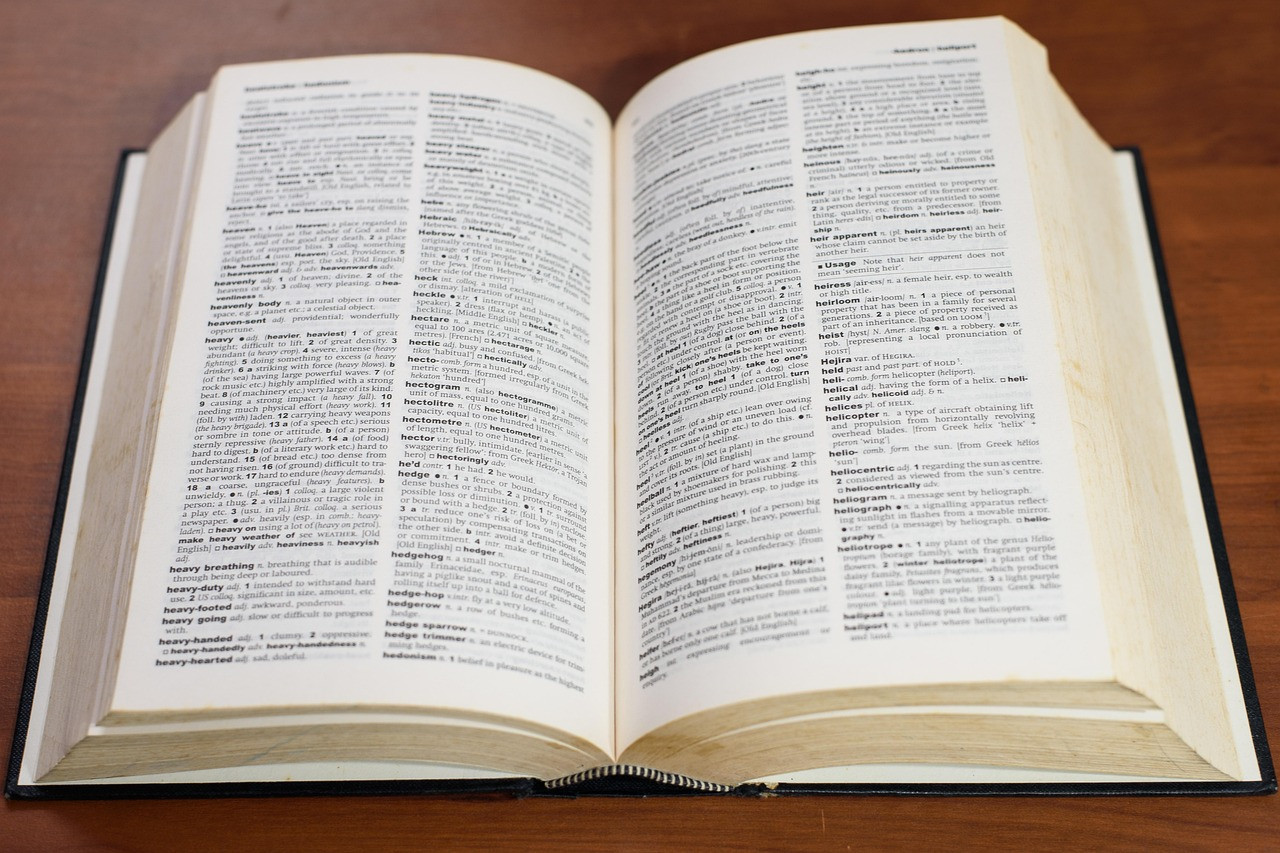
Representative image: astize / Pixabay
Collins Dictionary named 'mogging', meaning to outshine or outperform someone, its 2026 Word of the Year on 3 November after a 210% rise in use.
What Happened
Collins Dictionary has named "mogging" its Word of the Year for 2026, according to reports published on Tuesday, 3 November 2026. Collins defines the word as the act of outshining or outperforming someone or something. The dictionary said use of the word rose by 210 per cent in 2026, and it credited Generation Z and Generation Alpha with taking it into everyday speech as a form of playful teasing among friends. The choice comes a week after Dictionary.com picked "maxxing" as its own 2026 Word of the Year.
Key Facts
- Word: "mogging", named Collins Dictionary's Word of the Year 2026, reported on 3 November 2026.
- Meaning, as defined by Collins: the act of outshining or outperforming someone or something.
- Growth: Collins reported a 210 per cent increase in the word's use in 2026.
- Who uses it: Collins credited Gen Z and Gen Alpha, who use it mainly to tease friends.
- Use: it is mostly said about looks, and can work as a playful put-down or as a compliment, according to reports on the announcement.
- Roots: reports trace it to online "manosphere" communities and to the acronym AMOG ("alpha male of the group"), with use on bodybuilding forums in the mid-2010s.
- Comment: Collins managing director Alex Beecroft said the choice showed how every generation leaves its mark on the language.
- Earlier pick: Dictionary.com named "maxxing" its 2026 Word of the Year on 27 October 2026.
Why It Matters
Dictionary words of the year are not official rules of the language. They are a dictionary's reading of which word best sums up the year, based on how often a word is used and why. When a word chosen this way comes from teenagers' and young adults' slang, it shows how quickly online youth culture now moves into the mainstream.
"Mogging" is a clear example. Reports on the announcement linked its roots to the manosphere, a loose network of online communities focused on masculinity, and to bodybuilding forums, spaces where appearance and status are often compared. Collins's own reading is that younger users have taken the word out of that setting and turned it into light teasing between friends: saying a friend "mogged" everyone in a group photo, for example. The same word can therefore carry a harsh edge in one place and a joke in another, depending on who says it and how.
For young readers in India, the word will be familiar from English-language social media, gaming chats and short videos, where Gen Z slang from the United States and the United Kingdom spreads within days. The choice also reflects a wider focus on looks and comparison online, a subject that features often in discussions of young people's wellbeing and self-image. A dictionary naming the word does not judge whether that culture is good or bad; it records that the word has become common enough to define a year.
Two major English dictionaries have now chosen pieces of internet youth slang within a week. Dictionary.com announced "maxxing" on 27 October, and Collins followed with "mogging" on 3 November. Both choices put youth slang, rather than a word from politics or technology, at the centre of the year's language. Collins's previous pick, for 2024, was also a word from youth and pop culture: "brat".
Peepals calculation: A 210 per cent increase means the word was used about 3.1 times as often in 2026 as before (100 + 210 = 310, or 3.1 times the earlier level). Put another way, for every 10 uses Collins recorded earlier, it recorded about 31 in 2026. Our calculation from the reported figures.
| Dictionary | Word of the Year | Announced |
|---|---|---|
| Dictionary.com | maxxing | 27 October 2026 |
| Collins | mogging | 3 November 2026 |
| Collins (2024) | brat | 2024 |
Impact
Short-term: The choice puts a piece of Gen Z and Gen Alpha slang in front of a much wider audience, including parents, teachers and older readers who may not have met the word before.
Long-term: The word now has a dictionary definition, which gives teachers, parents and older readers a fixed reference for a term that has mostly lived in online chat and memes.
Who is affected: Young people who use the word online and with friends, parents and teachers trying to follow youth slang, and writers and brands that track language trends.
Key Takeaway
Collins Dictionary has named "mogging", meaning to outshine or outperform someone, its 2026 Word of the Year after a reported 210 per cent rise in use driven by Gen Z and Gen Alpha.
Questions and Answers
What is Collins Dictionary's Word of the Year 2026?
Collins Dictionary named "mogging" its Word of the Year for 2026, in an announcement reported on 3 November 2026.
What does "mogging" mean?
Collins defines mogging as the act of outshining or outperforming someone or something. It is mostly used about looks, and young people often use it as playful teasing between friends.
Where does the word "mogging" come from?
Reports trace it to online manosphere communities and the acronym AMOG, short for "alpha male of the group", with use on bodybuilding forums in the mid-2010s. Gen Z and Gen Alpha later spread it more widely.
Is mogging the same as Dictionary.com's word of the year?
No. Dictionary.com chose a different word, "maxxing", as its 2026 Word of the Year on 27 October 2026. Collins chose "mogging" a week later.
Disclaimer: Prepared by the Peepals newsroom from publicly available sources with AI assistance. Information is accurate to the best of our knowledge at the time of publication and may change. Images may be representative. Not professional advice. Report an error via our contact page.
By Aarav Deshpande, Sports CorrespondentCovers Sports and more for Peepals Yuva. All stories by Aarav Deshpande
Get the day's stories in your inbox
Peepals Weekly: the week decoded, free. One email a week, unsubscribe in one click.
Aarav Deshpande is a pen name of the Peepals Global Editorial Team, which researches, fact-checks and publishes every story. The portrait is an illustration.