

Gym as 'third place': 59% of active Gen Z see workout spot as social hub
 By Rhea MalhotraDigital Life Writer, Peepals Yuva
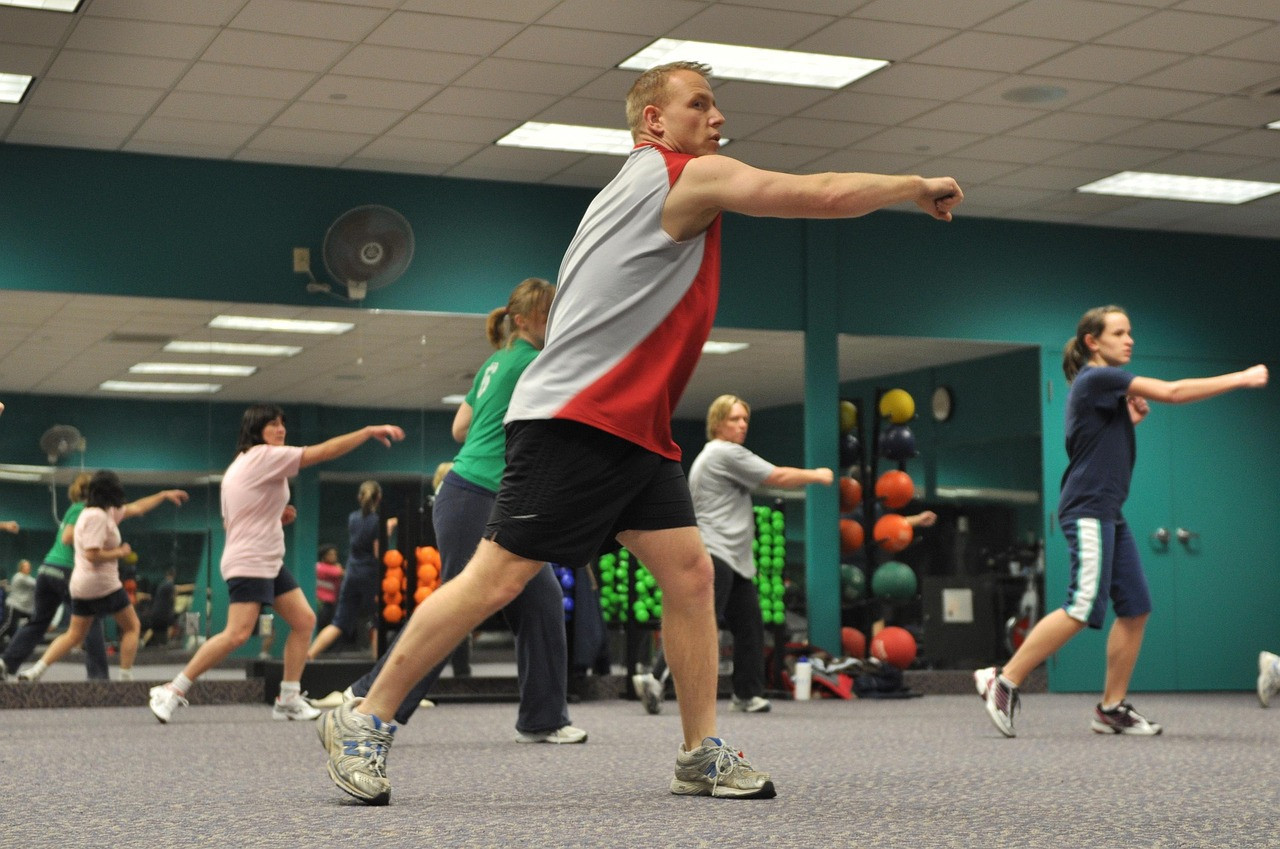
Representative image: janeb13 / Pixabay
A Talker Research survey for gym chain Life Time, published in late October 2026, found 59% of 1,000 active Gen Z adults treat their workout spot as a 'third place'.
What Happened
Many young adults now see the gym as more than a place to exercise. A survey of 1,000 physically active members of Generation Z, carried out online by Talker Research for the American gym chain Life Time between 28 September and 5 October 2026 and published in late October, found that 59 per cent consider the place where they work out a "third place": somewhere, apart from home and work or college, where they spend time and meet people. Eighty-three per cent said they would like to combine exercise and socialising more often. Yet 52 per cent said they usually work out alone. Because the survey was commissioned by a gym company, its findings should be read with that interest in mind.
Key Facts
- Survey: 1,000 physically active Gen Z adults, polled online by Talker Research.
- Commissioned by: Life Time, a US gym and fitness club chain.
- Fieldwork: 28 September to 5 October 2026; results published in late October 2026.
- 59% consider their workout location a "third place".
- 83% would like to combine exercise and socialising more often.
- 52% usually work out alone.
- The survey is from the United States and does not cover India.
Why It Matters
The idea of a "third place" comes from sociology: the cafes, libraries, parks and clubs where people gather outside home and work. Such places matter because they make it easy to meet others regularly without planning. Losing them is often linked to loneliness. Separate surveys this autumn have found that many Gen Z adults say adulthood has been lonelier than they expected.
This survey suggests that, for active young people at least, the gym is filling part of that gap. A workout space has the features a third place needs: people come back at the same times, see familiar faces and share an activity that gives them something to talk about. Group classes, running clubs and team sessions take this further by turning exercise into a social plan.
There is a contradiction in the numbers, though. Most respondents like the idea of exercising with others, but about half still train alone. That gap shows a real opportunity for gyms, colleges and fitness communities: many young people would welcome a social side to exercise, but it has to be made easy, through classes, buddy systems or clubs, rather than left to chance.
The source matters too. A gym chain has an obvious interest in showing that gyms are social hubs, and reports on the survey have pointed out that bias. The findings are best taken as a sign of how young gym-goers in the United States feel, not as a measure of all young people. An earlier survey by a British gym chain in 2024 put the share of Gen Z who see working out as a way to socialise at 37 per cent; it used a different question and sample, so the two figures should not be compared directly.
Peepals calculation: In a sample of 1,000, the reported shares mean about 590 people see their gym as a third place (59 per cent of 1,000), about 830 want more social exercise (83 per cent of 1,000), and about 520 usually train alone (52 per cent of 1,000). The 31-point gap between those who want social exercise and those who mostly train alone (83 minus 52) is our calculation from the reported figures.
| Finding | Share of respondents |
|---|---|
| See workout place as a third place | 59% |
| Want to combine exercise and socialising more | 83% |
| Usually work out alone | 52% |
Impact
Short-term: Gyms and fitness brands are likely to use findings like these to promote group classes and community events aimed at younger members.
Long-term: If young people keep treating fitness spaces as social places, gyms, sports clubs and campus facilities could become a bigger part of how they make and keep friends.
Who is affected: Young adults who exercise, gyms and fitness clubs, colleges planning campus facilities, and people working on youth loneliness.
Key Takeaway
A gym-funded US survey found that 59% of active Gen Z adults see their workout spot as a third place and 83% want more social exercise, even though 52% still train alone.
Questions and Answers
What is a third place?
A third place is a regular spot outside home and work or study, such as a cafe, library, park or club, where people spend time and meet others. In this survey, 59% of active Gen Z respondents said their workout location is one.
Who carried out the Gen Z gym survey?
Talker Research surveyed 1,000 physically active Gen Z adults online between 28 September and 5 October 2026. It was commissioned by Life Time, a US gym chain.
Do most young gym-goers work out with friends?
No. Although 83% said they would like to combine exercise and socialising more often, 52% said they usually work out alone.
Does the survey apply to India?
No. It was a US survey commissioned by an American gym chain, so its figures describe active Gen Z respondents there, not young people in India.
Disclaimer: Prepared by the Peepals newsroom from publicly available sources with AI assistance. Information is accurate to the best of our knowledge at the time of publication and may change. Images may be representative. Not professional advice. Report an error via our contact page.
By Rhea Malhotra, Digital Life WriterCovers Digital Life and more for Peepals Yuva. All stories by Rhea Malhotra
Central Railway apprentice 2026: 2,861 ITI slots open till December 2
JEE Main 2027: NRI candidates can use passport as ID, apply by November 22
Get the day's stories in your inbox
Peepals Weekly: the week decoded, free. One email a week, unsubscribe in one click.
Rhea Malhotra is a pen name of the Peepals Global Editorial Team, which researches, fact-checks and publishes every story. The portrait is an illustration.