

Rising blood sugar in your 20s linked to weaker memory at 55: AHA study
 By Kabir SethiStaff Writer, Peepals Yuva
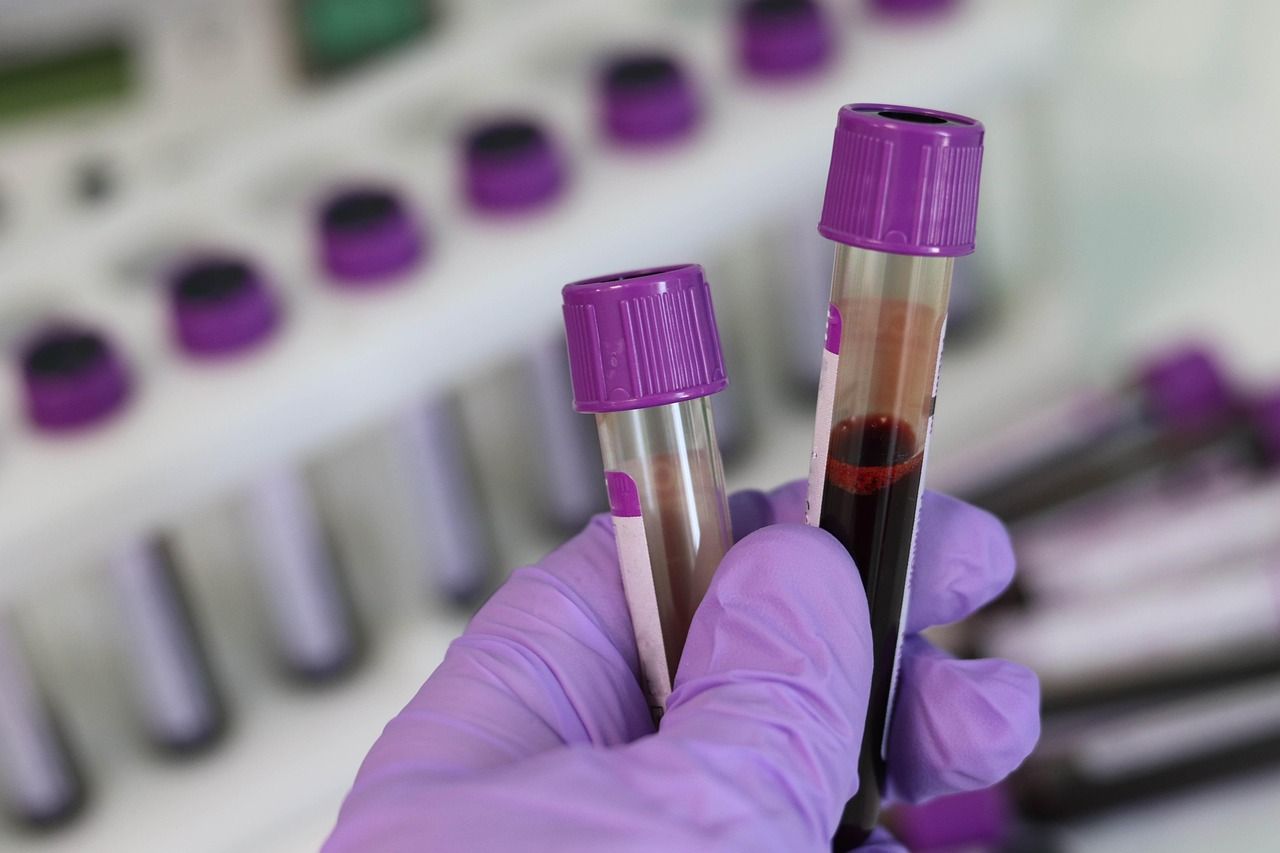
Representative image: Belova59 / Pixabay
A 30-year study of 2,808 adults, announced by the American Heart Association on 25 November, links rising blood sugar from young adulthood to weaker memory at about 55.
Blood Sugar Young Adults: what happened
Young adults whose fasting blood sugar creeps up over the years may pay for it in memory and thinking by their mid-50s, even if they never develop diabetes, according to a study published in the Journal of the American Heart Association and announced by the American Heart Association on Wednesday, 25 November 2026. The researchers followed 2,808 people from the long-running CARDIA study (Coronary Artery Risk Development in Young Adults) in the United States for 30 years, starting in young adulthood, and compared how their blood sugar changed with how they performed on brain tests at an average age of 55.
Blood Sugar Young Adults: key facts
- The study tracked 2,808 CARDIA participants over 30 years; 56% were women and 44% were Black adults.
- Researchers sorted participants into three fasting blood sugar paths: lower-stable, moderate-stable and increasing.
- People on the increasing path scored worse on memory, processing speed, executive function and overall thinking tests at about age 55 than those on the lower-stable path, even when they never developed type 2 diabetes.
- In 605 participants who had brain MRI scans, those who developed type 2 diabetes during follow-up had less total and parietal grey matter and more abnormal white matter than the lower-stable group.
- The lead author is Regina Paradela of the University of São Paulo Medical School.
- The study is observational: it shows a link, not proof that rising blood sugar causes the decline.
Blood Sugar Young Adults: why it matters
Most young people think of blood sugar as a problem for parents and grandparents. This study looks at the years between 18 and 30, when most people never have a blood test unless they are unwell, and suggests that what happens to fasting glucose in that period is tied to brain health decades later. The key point is that the effect appeared in people whose sugar was rising but who never crossed into diabetes, a group that would usually be told everything is fine.
Dr Paradela argued that doctors have long linked diabetes-related thinking problems mainly with childhood type 1 diabetes or with type 2 diabetes after the age of 65. Her team's view is that people with prediabetes, or with fasting sugar that stays raised without full diabetes, may also face a higher risk of decline and dementia later in life. The researchers suggested that monitoring and managing blood sugar early, between the ages of 18 and 30, might be one way to protect brain health, and called for trials to test that.
The study has limits that readers should keep in mind. Thinking skills were measured only once, at the 30-year visit, so the researchers could not see how memory changed over time. Brain scans were available for only a part of the group. Because it is an observational study, other factors linked to both rising sugar and brain health could explain part of the result. All participants were American, so the findings may not apply in the same way to other populations.
For young Indians, the relevance is practical rather than alarming. The study does not suggest any new treatment; it points to a simple measurement, fasting blood sugar, that is cheap and widely available, and to an age group that rarely checks it.
Peepals calculation: brain MRI data covered 605 of the 2,808 participants, about 22% of the group (605 ÷ 2,808 ≈ 0.215), so the grey-matter and white-matter findings rest on roughly one person in five. Women made up 56% of the full sample, about 1,572 people (2,808 × 0.56 ≈ 1,572). Our calculation from the reported figures.
| Measure | Figure |
|---|---|
| Participants | 2,808 |
| Follow-up | 30 years |
| Average age at brain tests | 55 |
| Participants with MRI scans | 605 |
| Blood sugar paths identified | 3 |
Blood Sugar Young Adults: impact
Short-term: The study adds to the case for young adults knowing their fasting blood sugar, a routine test, rather than assuming it only matters later in life. It gives no new advice on diet or medicine; any personal decision belongs with a doctor.
Long-term: If trials confirm the link, health checks for people in their 20s could put more weight on blood sugar trends, not only on whether someone has crossed the diabetes line. Researchers will also need to test whether keeping glucose steady in early adulthood actually protects memory later.
Who is affected: Young adults aged 18 to 30, especially those with a family history of diabetes; college and workplace health programmes that run screening camps; and doctors who see young patients with borderline sugar readings.
Blood Sugar Young Adults: key takeaway
A rising blood sugar trend in your 20s, even without diabetes, is now linked to weaker memory and thinking at 55, so the number on a routine fasting test is worth watching early.
Blood Sugar Young Adults: questions and answers
Does this study say young people with high blood sugar will get dementia?
No. It found a link between rising fasting blood sugar from young adulthood and lower test scores on memory and thinking at about age 55. It did not follow people into old age, and it cannot prove that blood sugar caused the difference.
What is the CARDIA study?
CARDIA, short for Coronary Artery Risk Development in Young Adults, is a long-running American study that has followed the same group of adults from young adulthood into midlife to see how early health patterns shape later heart and brain health.
Did the study look at Indians?
No. All participants were in the United States, 56% were women and 44% were Black adults. The results may not apply in exactly the same way to Indian populations, which researchers would need to study separately.
What did the researchers suggest?
They suggested that early monitoring and management of blood sugar between the ages of 18 and 30 might help protect brain health, and said clinical trials are needed to test whether that works.
Disclaimer: Prepared by the Peepals newsroom from publicly available sources with AI assistance. Information is accurate to the best of our knowledge at the time of publication and may change. Images may be representative. Not professional advice. Report an error via our contact page.
By Kabir Sethi, Staff WriterCovers Education and more for Peepals Yuva. All stories by Kabir Sethi
CLAT 2027 admit card out; exam December 6, Consortium flags fake papers
Vedant Sehwag takes 7/88 for Delhi U-19 in Cooch Behar Trophy
Your week ahead, every Sunday. Free.
Exam and result dates, IPOs opening, scheme deadlines, government holidays and the RBI decision for the next 7 days, plus the week's top stories. One email a week, unsubscribe in one click.
Kabir Sethi is a pen name of the Peepals Global Editorial Team, which researches, fact-checks and publishes every story. The portrait is an illustration.
Responsible for this story: the Peepals Global Editorial Team. How we report