
Indian diet study: 60.9% with early diabetes reach remission in six months
 By Devansh TiwariStaff Writer, Peepals Sanskriti
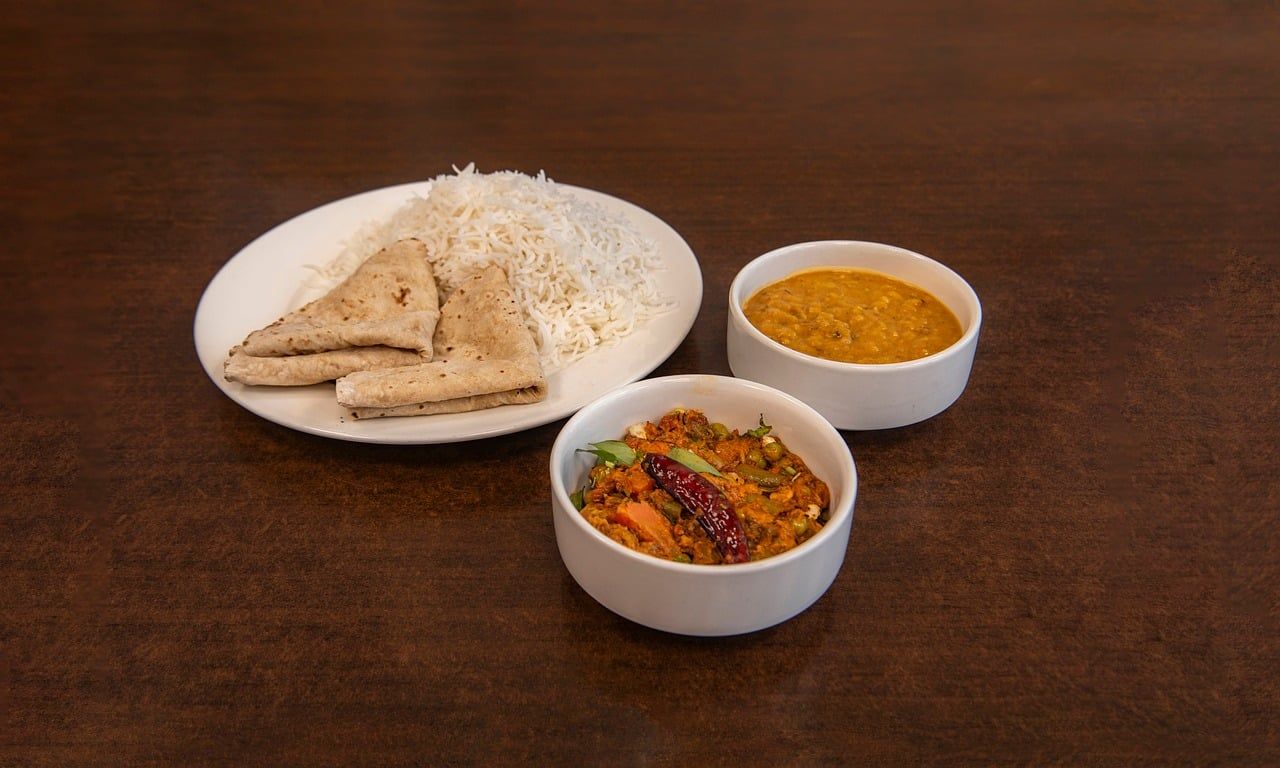
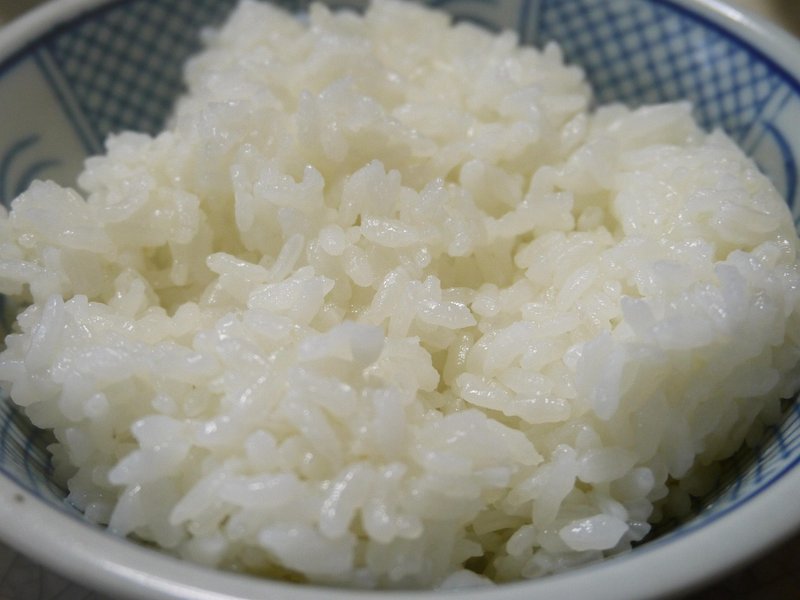
Representative image: LAVue / Pixabay
A Pune study found 53 of 87 adults with early type 2 diabetes reached remission in six months on a moderate-carbohydrate diet of everyday Indian foods with exercise.
What Happened
A study from Pune's Chellaram Diabetes Institute and a clinic in Chhatrapati Sambhajinagar has reported that 53 of 87 adults with early type 2 diabetes, or 60.9%, were in remission after six months on a diet built from everyday Indian foods combined with regular physical activity. The findings, reported on Friday, 13 November 2026, are published in the journal Diabetes and Metabolic Syndrome: Clinical Research and Reviews. According to the reports, the participants counted as in remission had reached it without glucose-lowering medicines. The researchers called the diet a Local Healthy Moderate Carbohydrate (LHMC) diet.
Diabetes Remission: key facts
- Who: Chellaram Diabetes Institute, Pune, with Dr Kale's clinic in Chhatrapati Sambhajinagar.
- Participants: 87 adults with early type 2 diabetes.
- Result: 53 of 87 (60.9%) reached remission after six months without glucose-lowering medication.
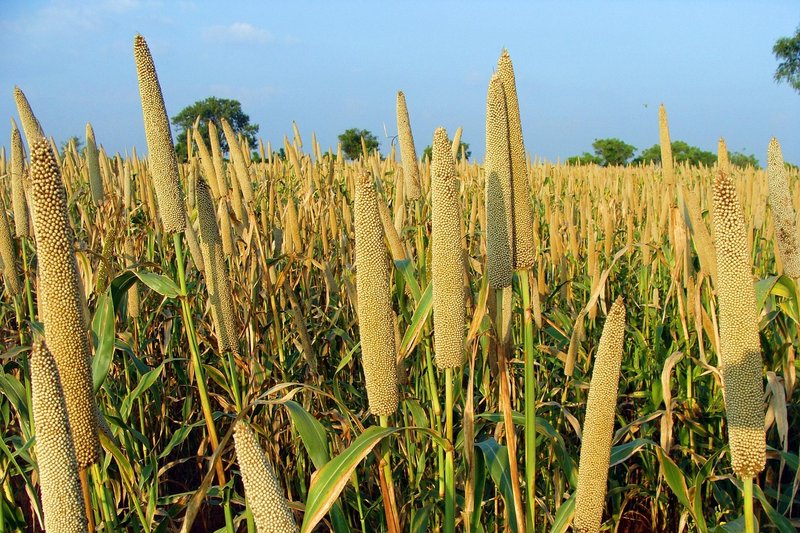
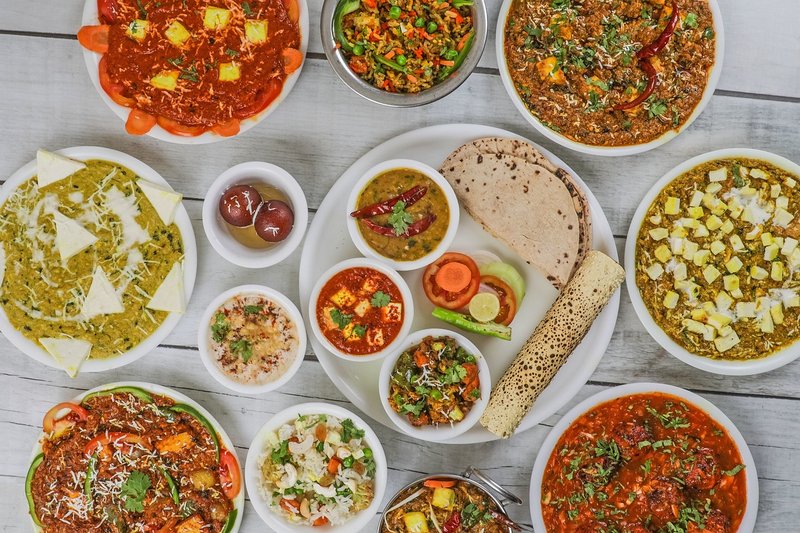
- Diet: familiar Indian foods such as multigrain chapatis, lentils, sprouts, green leafy vegetables, nuts and fruits, in measured portions.
- No special foods, skipped meals or fasting windows were needed, according to one of the doctors involved.
- Physical activity was strongly associated with remission in the results.
- Design: single-arm study, meaning there was no comparison group; the coverage notes that a randomised trial is the next step.
- Journal: Diabetes and Metabolic Syndrome: Clinical Research and Reviews, 2026.
Diabetes Remission: why it matters
Type 2 diabetes is a major health problem in India, and many people believe that controlling it means giving up their usual food. This study tested the opposite idea: that a plate built from familiar Indian staples, in measured amounts and combined with physical activity, can bring blood sugar back to normal for some people early in the disease. That links closely to traditional Indian eating patterns, where lentils, sprouts, greens and whole-grain rotis are everyday foods, not special diet items.
The word "remission" needs care. It does not mean a cure. It means blood sugar is in the normal or target range without diabetes medicines at that point in time, and it can return if weight, diet or activity change. The study included only people with early diabetes, so its results cannot be assumed for people who have had the disease for many years.
The study also has clear limits. It had 87 participants and no control group, so it cannot show how many would have improved anyway, or prove that the diet alone caused the result. The link with physical activity suggests exercise played a large part. The full paper was not available to us, so details such as how remission was measured come from the published coverage. An earlier randomised trial of the same diet concept, run from July 2017 to September 2018, reported remission in 61% of the intervention group against 12% of the control group, which gives some support to the approach.
Anyone with diabetes should not stop or change medicines on the basis of this study. Changes to diet and medication should be made only with a doctor.
Peepals calculation: 53 of 87 participants reached remission (53 ÷ 87 ≈ 0.609, or 60.9%), so 34 did not (87 − 53). In the earlier randomised trial, remission in the diet group (61%) was about five times the rate in the control group (61 ÷ 12 ≈ 5.1), a difference of 49 percentage points. Our calculation from the reported figures.
| Study | Design | Participants | Remission |
|---|---|---|---|
| Pune and Chhatrapati Sambhajinagar, 2026 | Single-arm, 6 months | 87 adults with early type 2 diabetes | 53 (60.9%) |
| Earlier trial, 2017-2018 | Randomised, with control group | Diet group and control group | 61% with diet, 12% control |
Impact
Short-term: the results give doctors and dietitians evidence that a moderate-carbohydrate plan using local foods can be tested with patients in early diabetes, with medical supervision.
Long-term: if a randomised trial confirms the result, the approach could be built into diabetes care in India at low cost, since it uses foods families already buy and cook.
Who is affected: adults recently diagnosed with type 2 diabetes and their families; doctors, dietitians and diabetes educators; and public health programmes looking for affordable ways to manage diabetes.
Key Takeaway
A single-arm study of 87 adults in Maharashtra reported that 60.9% of people with early type 2 diabetes reached remission in six months on a moderate-carbohydrate diet of everyday Indian foods with physical activity, a promising result that still needs a randomised trial.
Questions and Answers
What did the Chellaram Diabetes Institute study find?
It found that 53 of 87 adults with early type 2 diabetes (60.9%) reached remission after six months on a Local Healthy Moderate Carbohydrate diet of Indian foods with regular physical activity, without glucose-lowering medicines.
What foods were in the Local Healthy Moderate Carbohydrate diet?
The diet used familiar foods such as multigrain chapatis, lentils, sprouts, green leafy vegetables, nuts and fruits in measured portions, with no special foods, skipped meals or fasting windows.
Does this mean an Indian diet can cure diabetes?
No. Remission means blood sugar is in the target range without medicines, not a permanent cure, and it can return. The study was small and had no control group, so a randomised trial is needed.
Should people with diabetes stop their medicines after this study?
No. Any change to diet or medicines should be made only with a doctor's advice.
Disclaimer: Prepared by the Peepals newsroom from publicly available sources with AI assistance. Information is accurate to the best of our knowledge at the time of publication and may change. Images may be representative. Not professional advice. Report an error via our contact page.
By Devansh Tiwari, Staff WriterCovers Knowledge Systems and more for Peepals Sanskriti. All stories by Devansh Tiwari
Vaikuntha Chaturdashi 2026 on November 23: why the midnight puja is tight
Sonepur Mela 2026: Harihar Kshetra fair runs November 22 to December 23
Get the day's stories in your inbox
Peepals Weekly: the week decoded, free. One email a week, unsubscribe in one click.
Devansh Tiwari is a pen name of the Peepals Global Editorial Team, which researches, fact-checks and publishes every story. The portrait is an illustration.
Responsible for this story: the Peepals Global Editorial Team, led by editor Prashant Sonar. How we report