

SBI hack claim: hacker alleges 3.75 lakh records leaked, unverified
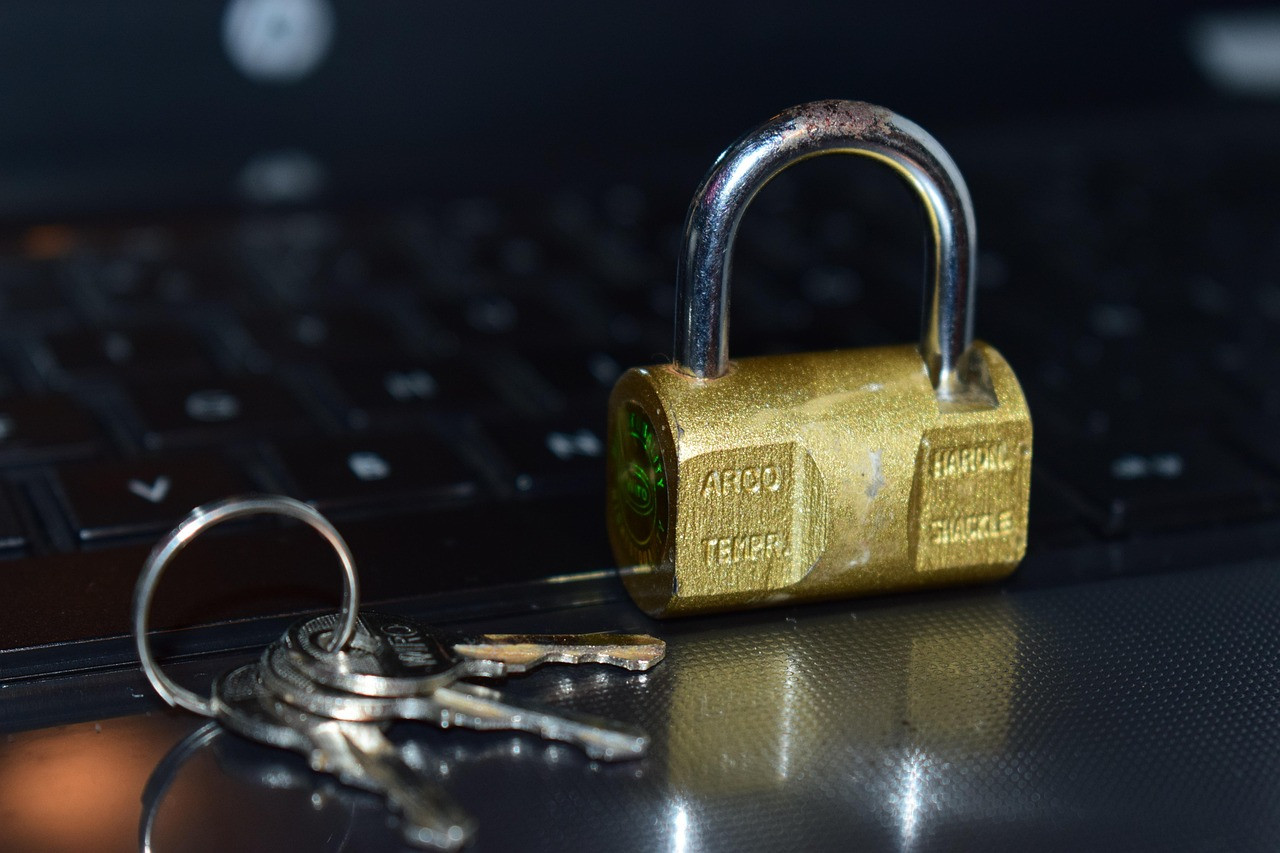
Representative image: mariaenithmae / Pixabay
A hacker claims to have leaked 3.75 lakh SBI-linked records and 2,722 documents; reports up to October 20, 2026 say the claim is unverified and SBI has not confirmed it.
What Happened
A hacker using the name Siriusim has claimed on an online forum to have leaked data linked to customers of State Bank of India (SBI), India's largest bank, including about 3.75 lakh records and 2,722 PDF documents, according to reports published between October 16 and 20, 2026. The claim has not been verified. SBI had not responded to requests for comment at the time of the reports, and there is no confirmation that the bank's own systems were breached. Reports said the sample records shared by the hacker may include Know Your Customer (KYC) details such as Aadhaar numbers and home addresses.
Key Facts
- The claim: a threat actor calling itself Siriusim posted on BreachForums, an online forum where stolen data is traded, claiming to hold SBI-linked customer data.
- Size claimed: about 375,000 rows of data in spreadsheet (CSV) files and 2,722 PDF documents; reports note that 375,000 rows does not necessarily mean 375,000 different customers.
- Samples: the hacker shared what were described as four sample customer records, according to reports.
- Possible contents: KYC records, Aadhaar numbers and residential addresses, as described in reports of the samples.
- First flagged: a cybersecurity monitoring account reported the claim on October 16, 2026; wider coverage followed on October 19 and 20.
- Status: authenticity, source and scale are unverified, and SBI had not commented or confirmed any breach at the time of the reports.
Why It Matters
KYC documents are the papers banks collect to confirm who a customer is: identity proof, address proof and photographs. If such documents leak, the main risk is not that someone can empty an account directly, but that criminals can use the details to make fraud more convincing. A caller who knows your name, address and Aadhaar number can pretend to be from your bank far more believably, and some scams use leaked documents to open accounts or take loans in another person's name.
That is why an unverified claim still matters for ordinary users. Even if the data turns out to come from somewhere other than SBI's systems, such as a third-party service, old records or a mix of sources, the fraud attempts that follow such claims are real. Young people who bank on their phones and share documents online for jobs, rentals or loans are often targets.
It is also important not to jump to conclusions. Hackers sometimes exaggerate or recycle old data to gain attention or sell it. Until SBI, the Indian Computer Emergency Response Team (CERT-In) or police confirm what happened, the claim remains a claim.
What you should do now, whether or not you bank with SBI: never share an OTP, PIN, CVV or password with anyone, including people who say they are from the bank; treat unexpected calls, messages and links about "KYC updates" or "account blocking" as suspicious; use only the official app and website; turn on SMS and email alerts for every transaction; and check your credit report for loans you did not take. If you suspect fraud, report it on the national cyber-crime helpline 1930 or at cybercrime.gov.in, and inform your bank immediately.
| Point | What is known |
|---|---|
| Who claims it | Threat actor "Siriusim", on BreachForums |
| What is claimed | About 3.75 lakh rows, 2,722 PDFs |
| Verified? | No |
| SBI response | None reported at time of reports |
| Risk for users | Phishing and identity fraud using KYC details |
Impact
Short-term: Customers may face more phishing calls and messages that use the SBI name. Cybersecurity researchers and authorities are likely to examine the samples to judge whether they are genuine.
Long-term: If confirmed, the case would add pressure on banks and their service providers to secure KYC documents, and would draw attention to India's data protection rules under the Digital Personal Data Protection Act, which are being brought into force in stages.
Who is affected: SBI customers, people whose KYC documents may be in the claimed data, banks and their vendors, and cybersecurity and law enforcement agencies.
Key Takeaway
A hacker claims to have leaked 3.75 lakh records and 2,722 documents linked to SBI customers, but the claim is unverified and SBI had not confirmed any breach, so users should guard against phishing.
Questions and Answers
Was SBI hacked?
That is not confirmed. A hacker called Siriusim has claimed to leak SBI-linked customer data, but reports from October 16 to 20, 2026 say the claim is unverified and SBI had not confirmed any breach of its systems.
What data does the SBI hack claim involve?
The hacker claims about 3.75 lakh rows of data and 2,722 PDF documents. Reports say samples may include KYC details such as Aadhaar numbers and addresses.
What should SBI customers do after the data leak claim?
Do not share OTPs, PINs or passwords with anyone, ignore unexpected KYC-update calls and links, use only the official app, keep transaction alerts on, and report suspected fraud on 1930 or cybercrime.gov.in.
Can someone take money from my account using leaked KYC data?
Leaked KYC details alone usually cannot move money, but criminals use them to make scam calls more convincing and to attempt identity fraud, so extra caution is needed.
Disclaimer: Prepared by the Peepals newsroom from publicly available sources with AI assistance. Information is accurate to the best of our knowledge at the time of publication and may change. Images may be representative. Not professional advice. Report an error via our contact page.
Sourced and fact-checked by the Peepals Global Editorial Team
Reported, fact-checked and published by the Peepals Global Editorial Team.