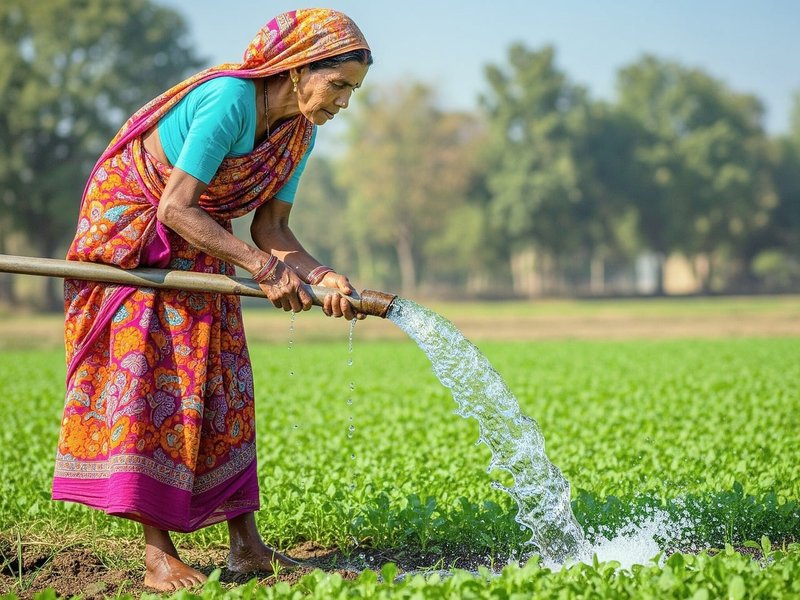

Assam launches Nameri Wild Classroom, taking students into a tiger reserve
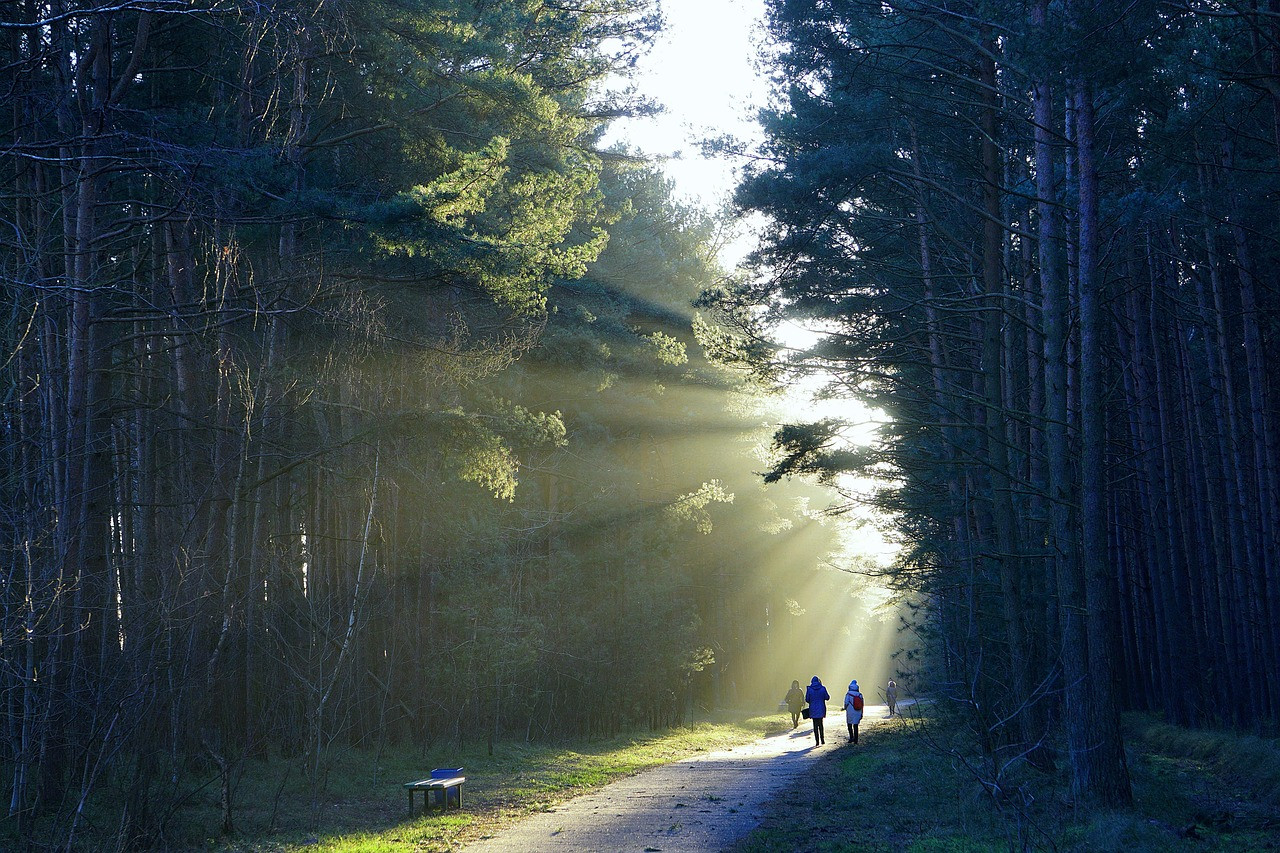
Representative image: Nowaja / Pixabay
Assam's Forest Department launched the Nameri Wild Classroom on 10-11 October 2026: 2-3 day stays in Nameri Tiger Reserve for students from Class 8 up.
What Happened
Assam's Forest Department has launched the Nameri Wild Classroom, a residential nature-learning programme that takes students inside Nameri Tiger Reserve for two or three days at a time. State Forest and Climate Change Minister Jayanta Malla Baruah announced the initiative over the weekend of 10 and 11 October 2026, presenting it as a way to build conservation awareness among young people. It is open to students from Class 8 upward, college and university students, teachers and school environmental clubs, and is being run through the Sonitpur East Forest Division together with the reserve's administration.
Key Facts
- Name: Nameri Wild Classroom, at Nameri Tiger Reserve in Assam.
- Announced: 10 to 11 October 2026, by Forest and Climate Change Minister Jayanta Malla Baruah.
- Who can join: students of Class 8 and above, undergraduate and postgraduate students, educators and environmental clubs.
- Format: residential stays of two or three days inside the reserve.
- Activities: birdwatching, guided forest walks, wildlife tracking, river ecology lessons and rafting on the Jia-Bharali river, plus time with local community traditions.
- Sessions are led by naturalists and forest staff; students keep field journals and receive a certificate at the end.
- Fees, the registration process and the number of seats have not yet been published.
Why It Matters
Environmental studies is part of the school curriculum across India, but for most students it stays on the page. Lessons on food chains, wetlands or tiger conservation are taught in classrooms, often in cities and towns far from any forest. The National Education Policy 2020 pushes schools towards experiential, hands-on learning, and field trips are one of the clearest ways to do that. A structured, multi-day programme inside a protected area goes well beyond a one-afternoon excursion: students sleep near the forest, keep notes and learn directly from the people who manage it.
The choice of a tiger reserve is significant. Protected areas in Assam sit close to farms and villages, and conflict between people and wildlife is a real local issue. Programmes that bring students from nearby districts into the reserve can build a generation that sees the forest as something worth protecting rather than only as a threat or a resource. Including local community traditions in the schedule also signals that conservation is meant to work with the people who live around the reserve, not just around the animals.
For teachers and environmental clubs, the inclusion of educators matters. A teacher who has spent two days with forest staff can carry that experience back into the classroom for years, multiplying the benefit far beyond the students who attend. The field journal and certificate also give schools something concrete to count towards project work and co-curricular records.
What remains to be seen is reach. Until the department publishes fees, seat numbers and how schools can apply, it is unclear whether the programme will be open mainly to well-resourced schools or will also bring in government school students from rural Assam, who stand to gain the most.
| Question | What is known now |
|---|---|
| Who runs it? | Assam Forest Department, Sonitpur East Forest Division |
| How long is a visit? | Two or three days, residential |
| Who can attend? | Class 8 and above, college students, teachers, eco-clubs |
| Is there a fee? | Not yet announced |
Impact
Short-term: Schools and colleges in Assam can begin planning nature-study visits to Nameri as soon as the department sets out the application process and costs.
Long-term: If the programme grows, it could become a model for other states to use their tiger reserves and national parks as outdoor classrooms, linking school science with real conservation work.
Who is affected: Secondary school and college students in Assam, their teachers and eco-clubs, forest staff and naturalists at Nameri, and communities living near the reserve.
Key Takeaway
Assam's new Nameri Wild Classroom turns a tiger reserve into a two- to three-day outdoor school for students from Class 8 upward, with field journals and certificates for those who complete it.
Questions and Answers
What is the Nameri Wild Classroom?
It is a residential nature-learning programme launched by the Assam Forest Department in October 2026, in which students spend two or three days inside Nameri Tiger Reserve learning about wildlife and ecology from naturalists and forest staff.
Who can take part?
Students of Class 8 and above, undergraduate and postgraduate students, teachers and school environmental clubs.
What will students do there?
Birdwatching, guided forest walks, wildlife tracking, river ecology sessions and rafting on the Jia-Bharali river, along with an introduction to local community traditions. They keep a field journal and receive a certificate.
How do schools apply, and what does it cost?
The department has not yet published fees, seat numbers or the application process, so schools should watch for an official notice from the Assam Forest Department.
Disclaimer: Prepared by the Peepals newsroom from publicly available sources with AI assistance. Information is accurate to the best of our knowledge at the time of publication and may change. Images may be representative. Not professional advice. Report an error via our contact page.
Sourced and fact-checked by the Peepals Global Editorial Team
Bihar launches MSME Policy 2026, reserves up to 40% of state purchases for local firms
Widow's limited right in Delhi farmland became full ownership in 1956, SC rules
Reported, fact-checked and published by the Peepals Global Editorial Team.