
Gwalior Telecom Manufacturing Zone: 25 investors get land, Rs 3,600 crore pledged
 By Siddharth VermaBusiness Correspondent, Peepals Bharat
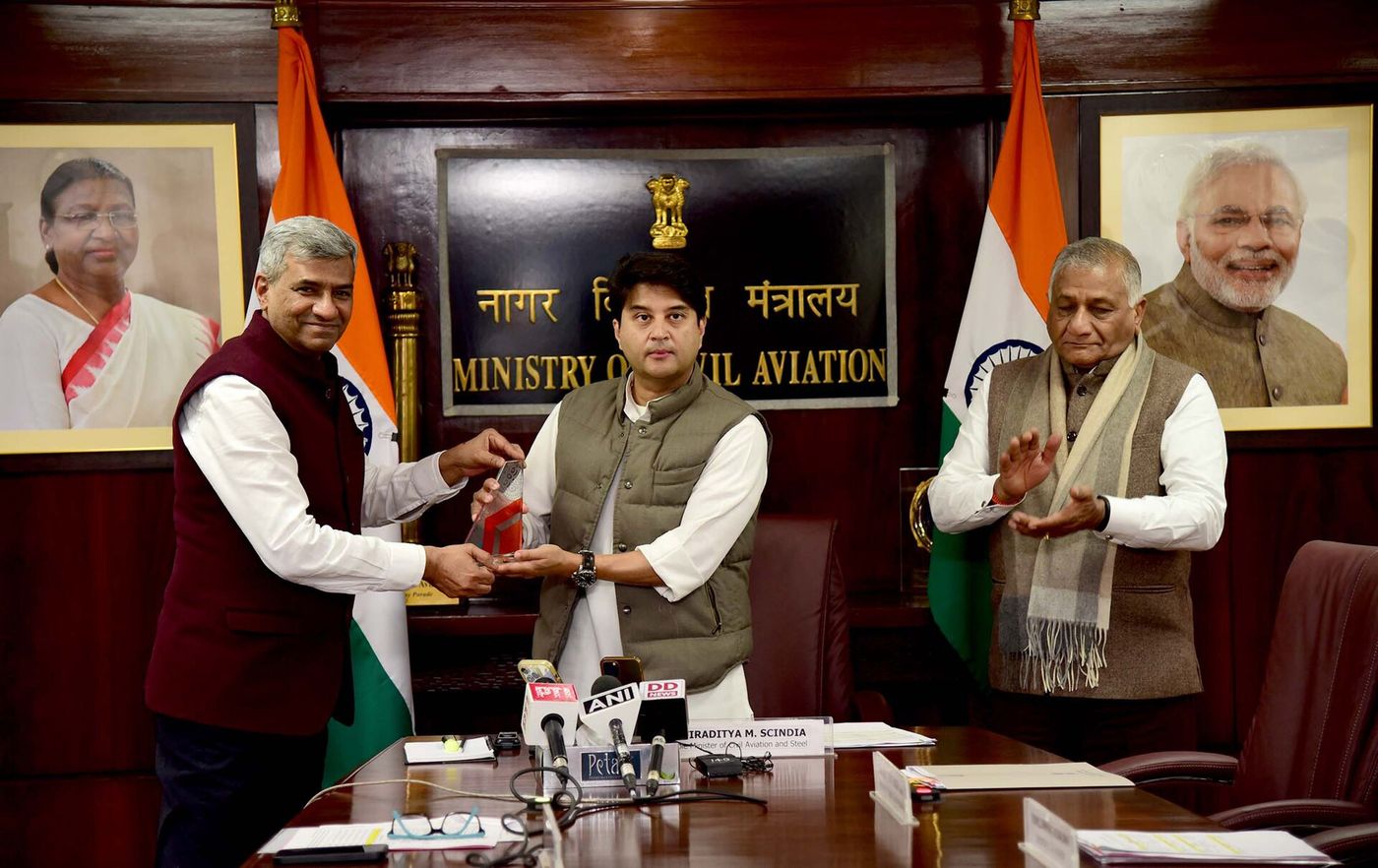
File photo: Ministry of Civil Aviation (GODL-India), via Wikimedia Commons
Centre and Madhya Pradesh gave land letters to 25 investors for the Gwalior Telecom Manufacturing Zone on 19 November, with Rs 3,600 crore and 15,600 jobs expected.
Gwalior Telecom Manufacturing Zone: what happened
The Centre and the Madhya Pradesh government issued land allotment letters to 25 investors for the Gwalior Telecom Manufacturing Zone at an investor meet in Bhopal on Thursday, 19 November 2026. Union Communications Minister Jyotiraditya Scindia said the first phase has secured investment commitments of about Rs 3,600 crore and is expected to generate about 15,600 jobs. The zone is planned for the manufacture of mobile devices, optical fibre and telecom equipment.
Gwalior Telecom Manufacturing Zone: key facts
- Event: land allotment letters to 25 investors, investor meet in Bhopal, 19 November 2026.
- Investment: about Rs 3,600 crore in the first phase; one report puts the proposals at Rs 3,611 crore.
- Jobs: about 15,600 in the first phase, according to Scindia; he put the overall estimate for the project at around 18,000.
- Land: the state has provided the first 170 acres free of cost, 100 acres in the SADA area and 70 acres in the Gwalior IT Park; 450 acres are earmarked for a second phase.
- Central funding: Rs 493 crore from the Centre for core infrastructure in the first phase.
- Ownership: a joint entity in which the Madhya Pradesh government holds 51% and the Department of Telecommunications 49%.
- Focus: mobile devices, optical fibre and telecom equipment, with support for 5G and 6G work.
Gwalior Telecom Manufacturing Zone: why it matters
A dedicated telecom zone in Gwalior, in northern Madhya Pradesh, is an attempt to build a cluster of telecom equipment makers in one place, with land and core infrastructure provided by the two governments. For local job seekers, factories making telecom equipment can offer assembly, testing, logistics and engineering roles close to home.
The structure is unusual. Instead of leaving the zone to a state industrial body alone, the Centre's Department of Telecommunications is a 49% partner and is paying for core infrastructure such as roads, power and utilities in the first phase. The state's contribution is free land. That shared model lowers the cost for investors, who can spend on machinery rather than land, and gives both governments a stake in making the zone work.
The numbers should be read for what they are. Allotment letters and investment commitments are the start of a long process: companies still have to build factories, install equipment and hire. The gap between a commitment and a running plant can be long. The figures to watch are construction starts and the first production in the zone.
Peepals calculation: Rs 3,600 crore of commitments for about 15,600 jobs works out to roughly Rs 23 lakh of investment per job (3,600 crore ÷ 15,600). Spread over the 170 acres of first-phase land, that is about Rs 21 crore of committed investment per acre, and the Centre's Rs 493 crore for infrastructure equals about 14% of the private commitments. Our calculation from the reported figures.
| Item | First phase |
|---|---|
| Investors with land letters | 25 |
| Investment committed | about Rs 3,600 crore |
| Jobs expected | about 15,600 |
| Land | 170 acres, free of cost |
| Central infrastructure funding | Rs 493 crore |
Gwalior Telecom Manufacturing Zone: impact
Short-term: The 25 investors can move to formal land handover and site work. Gwalior's existing IT Park and the SADA area will see construction activity as the first units come up.
Long-term: If the first phase succeeds, the 450-acre second phase could double the zone's scale and make Gwalior a recognised telecom manufacturing hub, with supplier firms setting up nearby.
Who is affected: Job seekers in Gwalior and nearby districts, telecom equipment makers, local suppliers and contractors, and the Madhya Pradesh and central governments that jointly own the project.
What to watch next: land handover to the 25 investors, start of construction, and the six further companies Scindia said would create another 2,000 to 3,000 jobs.
Gwalior Telecom Manufacturing Zone: key takeaway
If you live in or around Gwalior and want a manufacturing or engineering job, watch for hiring by the 25 companies as their units in the telecom zone are built.
Gwalior Telecom Manufacturing Zone: questions and answers
What is the Gwalior Telecom Manufacturing Zone?
It is an industrial zone in Gwalior, Madhya Pradesh, for making mobile devices, optical fibre and telecom equipment. It is developed by a joint entity of the Madhya Pradesh government (51%) and the Department of Telecommunications (49%).
How much investment and how many jobs are expected?
About Rs 3,600 crore from 25 investors in the first phase, with about 15,600 jobs, according to Union Minister Jyotiraditya Scindia. He estimates around 18,000 jobs for the project overall.
Who pays for the land and infrastructure?
The state government has given the first 170 acres free of cost, and the Centre is providing Rs 493 crore for core infrastructure in the first phase.
Is there a second phase?
Yes. A further 450 acres have been earmarked for the second phase of the zone.
Disclaimer: Prepared by the Peepals newsroom from publicly available sources with AI assistance. Information is accurate to the best of our knowledge at the time of publication and may change. Images may be representative. Not professional advice. Report an error via our contact page.
By Siddharth Verma, Business CorrespondentCovers Business and more for Peepals Bharat. All stories by Siddharth Verma
UPTET 2026: apply from November 24, exam on February 26-27, 2027
Sajjan Singh Yadav takes charge as Jammu and Kashmir Chief Secretary
Your week ahead, every Sunday. Free.
Exam and result dates, IPOs opening, scheme deadlines, government holidays and the RBI decision for the next 7 days, plus the week's top stories. One email a week, unsubscribe in one click.
Siddharth Verma is a pen name of the Peepals Global Editorial Team, which researches, fact-checks and publishes every story. The portrait is an illustration.
Responsible for this story: the Peepals Global Editorial Team, led by editor Prashant Sonar. How we report