
Bihar energy MoUs: Rs 1.72 lakh crore for nuclear plants, pumped storage
 By Siddharth VermaBusiness Correspondent, Peepals Bharat
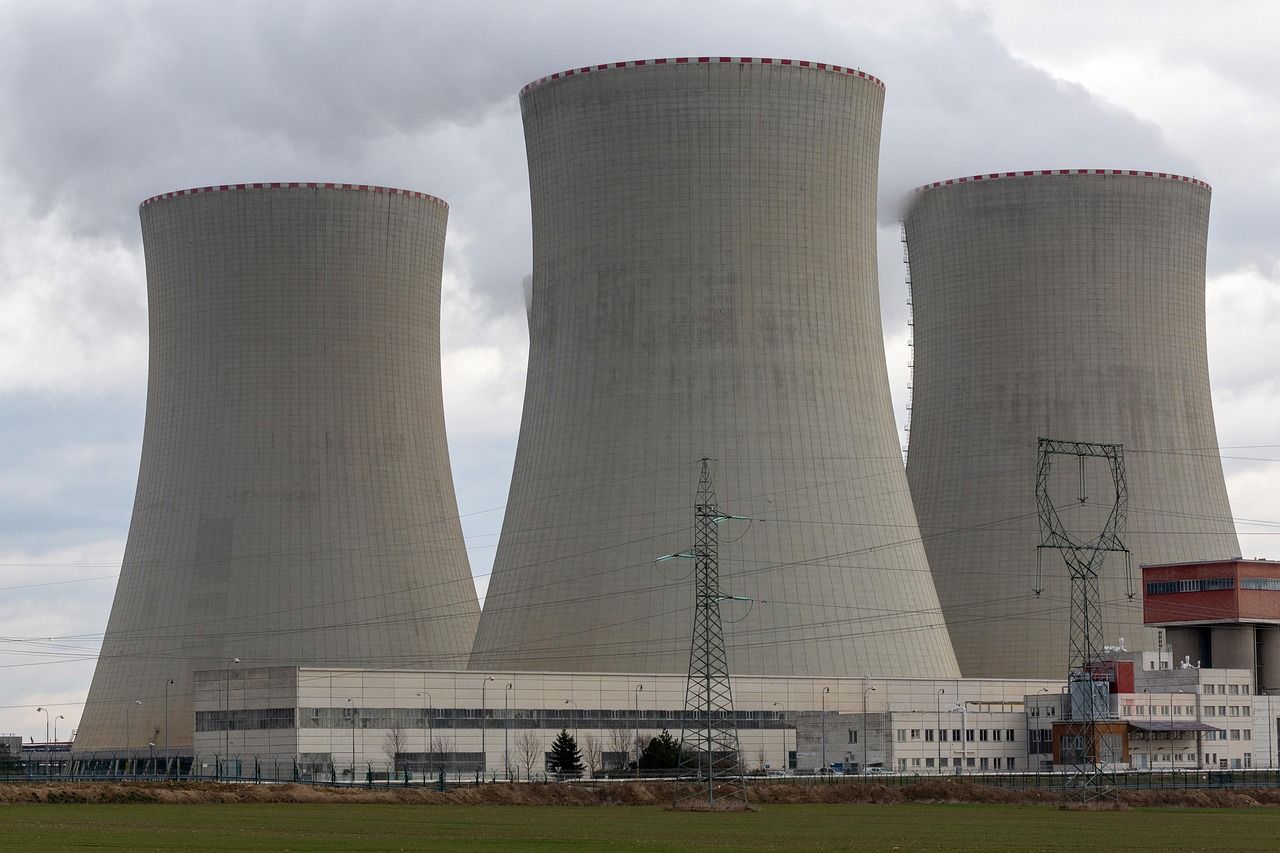
Representative image: JamesQube / Pixabay
Bihar signed MoUs on 20 November 2026 for two 2,800 MW nuclear plants and four pumped storage projects, worth Rs 1,72,885 crore and 11,600 MW in all.
Bihar nuclear power plant: what happened
The Bihar government signed agreements on Friday, 20 November 2026, for six energy projects with a proposed investment of Rs 1,72,885 crore: two nuclear power plants in Banka and Siwan districts and four pumped storage hydro projects in Nawada, Jamui and Aurangabad. The memorandums of understanding (MoUs) were exchanged in Patna at the Bihar Business Connect 2026 event. Together the projects would add 11,600 megawatts (MW) of capacity across five districts.
Bihar nuclear power plant: key facts
- Total: six projects under five MoUs, proposed investment Rs 1,72,885 crore, combined capacity 11,600 MW.
- Nuclear, Banka: NTPC signed for a 2,800 MW plant (four units of 700 MW) at Bhitiya, estimated at Rs 70,000 crore.
- Nuclear, Siwan: Nuclear Power Corporation of India Limited (NPCIL) signed for a 2,800 MW plant at Talhar, Raghunathpur, also estimated at Rs 70,000 crore.
- Pumped storage, Nawada: Adani Hydro Energy-7, 1,800 MW at Ektara and Pathra (estimated Rs 9,900 crore); Torrent Energy Storage Solutions, 1,500 MW at the Hardiya/Fulwaria dam (Rs 7,685 crore).
- Pumped storage, Jamui: Adani Hydro Energy-15, 1,800 MW at Mircha Pathak Chak.
- Pumped storage, Aurangabad: Greenko Energies, 900 MW, investment Rs 5,400 crore.
Bihar nuclear power plant: why it matters
Two nuclear plants would give it large, steady "baseload" electricity, the kind that runs day and night regardless of weather. Nuclear plants take many years to approve and build, so these MoUs are the start of a long process, not a promise of power soon.
Pumped storage works like a giant rechargeable battery made of water. When electricity is cheap and plentiful, for example from solar panels at midday, water is pumped uphill into a reservoir; when demand peaks in the evening, it is released downhill through turbines to generate power. As India adds more solar and wind power, which rise and fall with the weather, storage of this kind is what lets the grid use clean power after sunset. The four Bihar projects would provide 6,000 MW of such capacity.
For Bihar's economy, the projects promise construction work, local contracts and, if completed, more power generated inside the state for homes and industry. They also bring big national names, NTPC, NPCIL, Adani, Torrent and Greenko, into districts such as Banka, Siwan, Nawada and Jamui that rarely see investment on this scale. An MoU, however, is a statement of intent; land, water, environmental and nuclear safety approvals will decide which projects are built and when.
Peepals calculation: The two nuclear plants account for Rs 1,40,000 crore (2 × Rs 70,000 crore), or about 81% of the total (1,40,000 ÷ 1,72,885). The four pumped storage projects make up 6,000 MW (1,800 + 1,800 + 1,500 + 900), and with 5,600 MW of nuclear (2 × 2,800) that matches the 11,600 MW total. Subtracting the stated project costs from the total leaves Rs 9,900 crore as the implied figure for the Jamui project (1,72,885 − 1,40,000 − 9,900 − 7,685 − 5,400). Each nuclear plant works out to Rs 25 crore per MW (70,000 ÷ 2,800), against Rs 5.5 crore per MW for the Nawada Adani project (9,900 ÷ 1,800). Our calculation from the reported figures.
| Project | District | Capacity | Cost |
|---|---|---|---|
| NTPC nuclear | Banka | 2,800 MW | Rs 70,000 crore |
| NPCIL nuclear | Siwan | 2,800 MW | Rs 70,000 crore |
| Adani pumped storage | Nawada | 1,800 MW | Rs 9,900 crore |
| Torrent pumped storage | Nawada | 1,500 MW | Rs 7,685 crore |
| Greenko pumped storage | Aurangabad | 900 MW | Rs 5,400 crore |
Bihar nuclear power plant: impact
Short-term: The companies begin feasibility studies, land identification and approval applications. No power will flow for several years.
Long-term: If built, the nuclear plants would add large new generating capacity inside Bihar, and the pumped storage projects would help the eastern grid absorb more solar power.
Who is affected: Bihar's electricity consumers and industries, residents of the project districts whose land and water will be involved, and the companies and state utilities behind the projects.
Bihar nuclear power plant: key takeaway
Watch for land allotment and regulatory clearances in Banka, Siwan, Nawada, Jamui and Aurangabad: they will show which of Bihar's Rs 1.72 lakh crore energy MoUs turn into projects.
Bihar nuclear power plant: questions and answers
Where will Bihar's nuclear power plants be built?
NTPC plans a 2,800 MW plant at Bhitiya in Banka district, and NPCIL plans a 2,800 MW plant at Talhar, Raghunathpur, in Siwan district. Each is estimated at Rs 70,000 crore.
What is a pumped storage project?
It stores energy by pumping water to an upper reservoir when power is cheap and releasing it through turbines to generate electricity when demand is high, working like a large battery for the grid.
Which companies signed the pumped storage MoUs?
Adani Hydro Energy entities for projects in Nawada and Jamui, Torrent Energy Storage Solutions in Nawada, and Greenko Energies in Aurangabad, totalling 6,000 MW.
When will these plants produce power?
No dates were given. The MoUs are the first step; the projects still need land, environmental and, for the nuclear plants, safety approvals.
Disclaimer: Prepared by the Peepals newsroom from publicly available sources with AI assistance. Information is accurate to the best of our knowledge at the time of publication and may change. Images may be representative. Not professional advice. Report an error via our contact page.
By Siddharth Verma, Business CorrespondentCovers Business and more for Peepals Bharat. All stories by Siddharth Verma
MP, UP share 500 MW pumped storage by season; lowest bid Rs 1.35 crore/MW
PUC certificate rules: three years for new BS-VI cars, three months for BS-III
Your week ahead, every Sunday. Free.
Exam and result dates, IPOs opening, scheme deadlines, government holidays and the RBI decision for the next 7 days, plus the week's top stories. One email a week, unsubscribe in one click.
Siddharth Verma is a pen name of the Peepals Global Editorial Team, which researches, fact-checks and publishes every story. The portrait is an illustration.
Responsible for this story: the Peepals Global Editorial Team, led by editor Prashant Sonar. How we report