
Bank of Russia holds key rate at 14%, raises 2026 inflation forecast
 By Neha KapoorEconomy Correspondent, Peepals Business
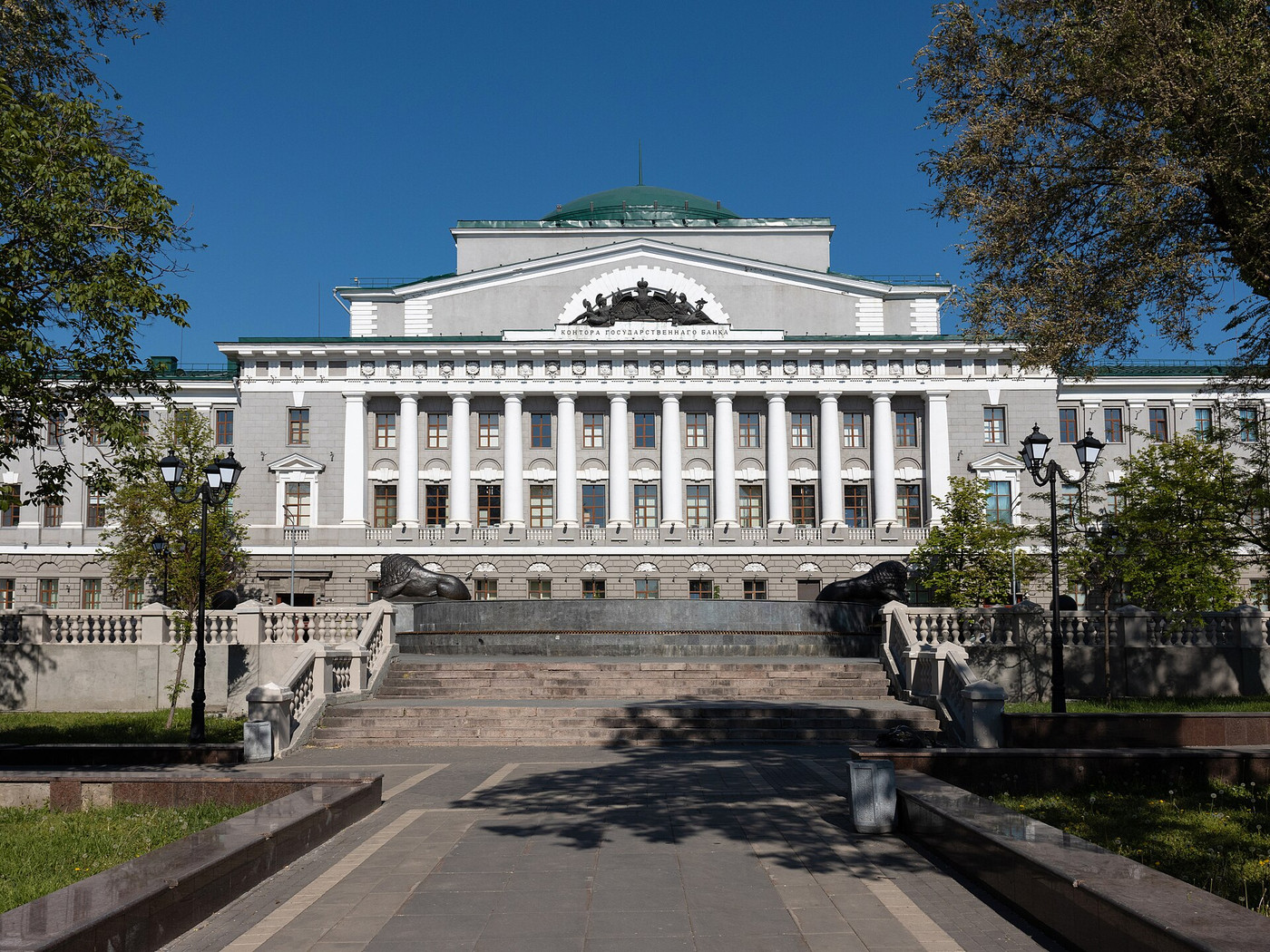
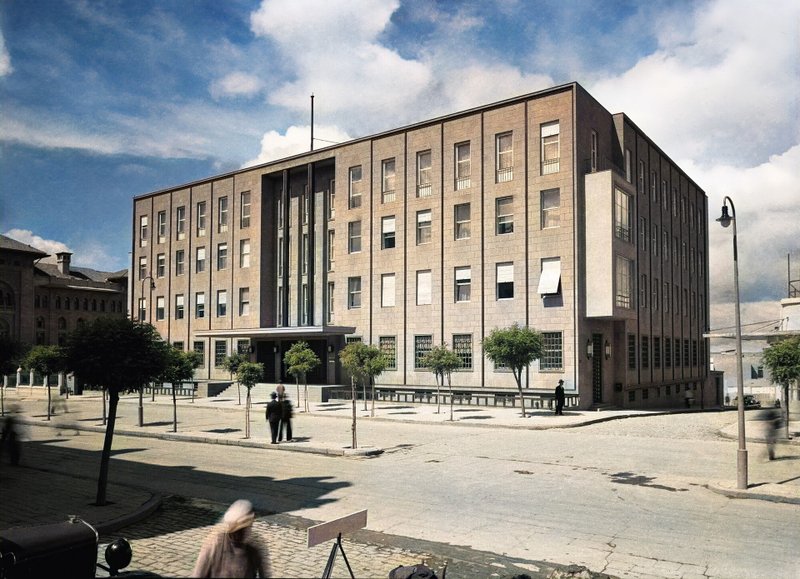
File photo: Vyacheslav Argenberg (CC BY 4.0), via Wikimedia Commons
The Bank of Russia kept its key rate at 14% on October 23, 2026 and raised its year-end inflation forecast to 7.1%-7.6%; the next meeting is December 18.
What Happened
The Bank of Russia kept its key interest rate unchanged at 14% a year at its board meeting on Friday, October 23, 2026, and raised its forecast for inflation this year. The central bank said price pressures and inflation expectations in Russia remain high. It now expects annual inflation to end 2026 in a range of 7.1% to 7.6%, up from its earlier forecast of 6% to 7%, and said its next rate meeting will be on December 18, 2026.
Key Facts
- Decision: key rate held at 14% per annum on October 23, 2026.
- The last change was a 25-basis-point cut on July 24, 2026; the rate was also held at 14% on September 11.
- Annual inflation stood at 6.8% as of October 19, according to the central bank.
- New year-end inflation forecast for 2026: 7.1% to 7.6%, raised from 6% to 7%.
- The bank estimates underlying price growth at 5% to 6% on an annualised basis and says it is not slowing.
- It expects the key rate to average 12.5% to 13.5% in 2027, and puts 2026 GDP growth at 0.5% to 1%.
- Next policy meeting: December 18, 2026.
Why It Matters
A central bank's key rate is the price at which it lends to commercial banks, and it sets the tone for what households and companies pay on loans. When inflation runs above target, a central bank keeps rates high to cool spending; when inflation falls, it can cut. With inflation still rising, the Bank of Russia has paused after cutting earlier in the year.
The decision says a good deal about the state of Russia's war-time economy. The bank's own numbers show a country with very slow growth, between 0.5% and 1% this year, and yet persistent inflation. That combination is uncomfortable for any central bank: cutting rates could support growth but risk pushing prices higher, while holding them high keeps borrowing costs painful for businesses. Commentary on the decision has pointed to fuel costs, linked to Ukrainian drone strikes on Russian oil refineries, as well as government spending and increases in utility charges as reasons why prices are not easing.
The central bank said it will decide its next steps depending on how inflation and inflation expectations move. Its guidance that the key rate will average 12.5% to 13.5% next year suggests it still expects to lower rates gradually in 2027, but not quickly.
For India, the significance is indirect but real. Russia remains a major supplier of crude oil to Indian refiners, and oil prices are already high, with the international benchmark Brent trading above $110 a barrel in recent sessions. Pressure on Russia's refineries and economy is one more factor in a tight global energy market that feeds into fuel prices and inflation in India. Indian exporters and companies that trade with Russia also watch its interest rates and inflation, since they affect demand and payment conditions.
| Measure | Bank of Russia figure |
|---|---|
| Key rate (October 23, 2026) | 14%, unchanged |
| Inflation as of October 19 | 6.8% |
| 2026 year-end inflation forecast | 7.1% to 7.6% (was 6% to 7%) |
| Expected average key rate, 2027 | 12.5% to 13.5% |
| 2026 GDP growth forecast | 0.5% to 1% |
Impact
Short-term: Borrowing costs in Russia stay at 14% at least until the December 18 meeting, keeping loans expensive for Russian households and businesses.
Long-term: If inflation slows as the bank hopes, rates could come down through 2027; if fuel and other costs keep rising, the bank may have to hold rates high for longer, weighing further on growth.
Who is affected: Russian borrowers, savers and companies; foreign firms trading with Russia, including Indian exporters and oil importers; and global energy markets watching Russia's economy and fuel supply.
Key Takeaway
The Bank of Russia held its key rate at 14% on October 23, 2026, and raised its 2026 inflation forecast to 7.1%-7.6%, signalling that high rates will stay for now.
Questions and Answers
What did the Bank of Russia decide on its key rate in October 2026?
On October 23, 2026, it kept the key rate unchanged at 14% a year, after holding it at the same level in September.
Why did the Bank of Russia not cut its key rate?
The central bank said inflation and inflation expectations remain high and underlying price growth is not slowing; it raised its year-end 2026 inflation forecast to 7.1%-7.6%.
When is the Bank of Russia's next key rate meeting?
The next policy meeting is scheduled for December 18, 2026.
How fast is Russia's economy growing?
The Bank of Russia puts growth for 2026 at 0.5% to 1%, which is very slow.
Disclaimer: Prepared by the Peepals newsroom from publicly available sources with AI assistance. Information is accurate to the best of our knowledge at the time of publication and may change. Images may be representative. Not professional advice. Report an error via our contact page.
By Neha Kapoor, Economy CorrespondentCovers Economy and more for Peepals Business. All stories by Neha Kapoor
Boomi buys Elementary Data to check the data feeding enterprise AI
Bombay Coated and Special Steels IPO opens October 29 at Rs 78-82
Neha Kapoor is a pen name of the Peepals Global Editorial Team, which researches, fact-checks and publishes every story. The portrait is an illustration.