
PRISM Q1: OYO parent's profit up 17%, mostly from deferred tax credit
 By Siddharth VermaBusiness Correspondent, Peepals Bharat

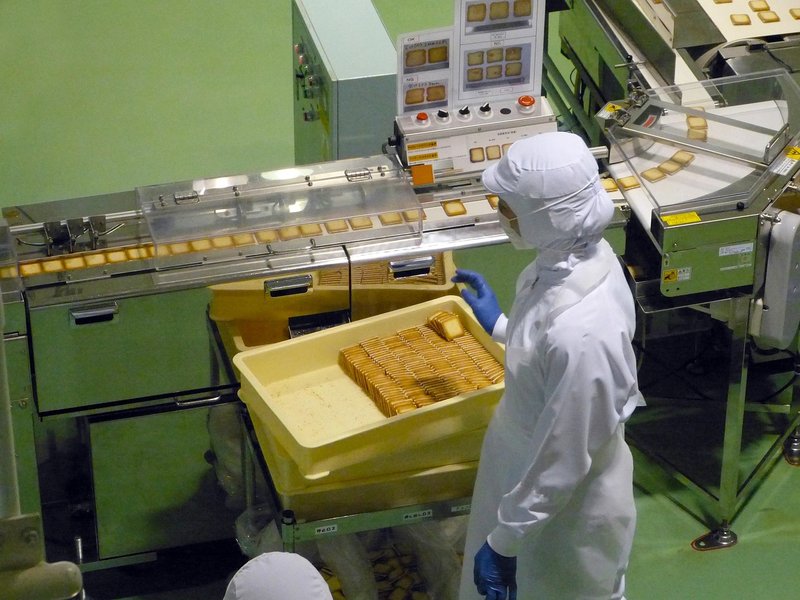
Representative image: Pexels / Pixabay
OYO parent PRISM's April-June 2026 profit rose 17% to Rs 353 crore, but about Rs 244 crore came from a deferred-tax credit; revenue rose 35% to Rs 2,814 crore.
What Happened
PRISM, the parent company of hotel-booking platform OYO, reported a consolidated profit of about Rs 353 crore for the first quarter of financial year 2026-27 (April to June 2026), up 17% from Rs 301 crore a year earlier, according to results reported on Monday, 2 November 2026. Revenue from operations rose about 35% to Rs 2,814 crore. But the profit figure included a deferred-tax credit of about Rs 244 crore, according to the company's audited financials as reviewed by the news agency PTI, so most of the quarter's reported profit came from a tax accounting entry rather than from running hotels. The company is preparing for a stock-market listing, according to reports.
Key Facts
- Consolidated profit after tax: about Rs 353 crore in Q1 FY27, against Rs 301 crore in Q1 FY26, up 17%.
- Revenue from operations: about Rs 2,814 crore, up 35% year on year.
- The quarter's profit included a deferred-tax credit of about Rs 244 crore, a non-cash item.
- EBITDA (earnings before interest, tax, depreciation and amortisation) rose 24% to Rs 760 crore from Rs 611 crore, according to reports.
- Adjusted EBITDA, after lease expenses, rose 35% to about Rs 589 crore.
- Gross Booking Value, the total value of bookings made through the platform, rose 30% to nearly Rs 9,600 crore.
- PRISM is described in reports as IPO-bound, meaning it plans to list its shares on the stock exchanges.
Why It Matters
OYO is one of the best-known names of India's start-up boom, and its journey has been watched closely by founders and investors. With a listing ahead, each quarter's numbers are now read as a test of whether a large Indian consumer-internet company can show steady, real profits ahead of a listing.
The headline number needs care. A deferred-tax credit arises when a company expects to pay less tax in future, for example because it can set past losses against future profits, and it is recorded in the accounts without any cash coming in. When that credit is as large as Rs 244 crore in a quarter, it can make profit growth look stronger than the business itself. That is why analysts and readers look at operating measures too. On those, PRISM's picture is still one of growth: revenue up 35%, EBITDA up 24% and bookings up 30%.
There is one point worth noting in the operating numbers. Revenue grew faster than EBITDA, which means the operating margin narrowed compared with a year earlier, as the calculation below shows. According to reports, the company has said it is still investing in its brands and distribution, which can raise costs before the benefits show.
For founders in smaller cities and first-time entrepreneurs, OYO's numbers matter beyond one company. A successful listing by a large start-up tends to shape how investors value other Indian consumer companies, and how willing they are to back new ones. The gap between headline profit and operating profit is also a lesson every founder meets when raising money: investors read the notes to the accounts, not just the bottom line.
Peepals calculation: Without the Rs 244 crore deferred-tax credit, the quarter's profit would be about Rs 109 crore (353 - 244 = 109), so roughly 69% of reported profit came from the tax credit (244 / 353 = 69%). Revenue a year earlier works out to about Rs 2,084 crore (2,814 / 1.35), which puts the EBITDA margin at about 29.3% then (611 / 2,084) against about 27.0% now (760 / 2,814). Bookings were about 3.4 times revenue (9,600 / 2,814). Our calculation from the reported figures.
| Measure | Q1 FY27 | Q1 FY26 | Change |
|---|---|---|---|
| Profit after tax | Rs 353 crore | Rs 301 crore | up 17% |
| EBITDA | Rs 760 crore | Rs 611 crore | up 24% |
| Revenue from operations | Rs 2,814 crore | about Rs 2,084 crore (derived) | up 35% |
| Gross Booking Value | nearly Rs 9,600 crore | not given | up 30% |
Impact
Short-term: The results will be read alongside PRISM's listing plans, with attention on how much of its profit comes from operations rather than tax credits.
Long-term: A profitable, growing OYO strengthens the case for more Indian consumer-internet companies to list at home, which matters for the wider start-up funding cycle.
Who is affected: OYO's investors and employees, hotel owners on its platform, travellers, and Indian start-ups watching the listing market.
Key Takeaway
OYO parent PRISM's Q1 FY27 profit rose 17% to Rs 353 crore, but about Rs 244 crore of it came from a deferred-tax credit, while revenue grew 35%.
Questions and Answers
What were OYO parent PRISM's Q1 FY27 results?
PRISM reported a consolidated profit of about Rs 353 crore for April to June 2026, up 17% from Rs 301 crore, on revenue of about Rs 2,814 crore, up 35%.
Why is PRISM's profit described as boosted by tax?
The quarter's profit included a deferred-tax credit of about Rs 244 crore, a non-cash accounting item. Without it, profit would have been about Rs 109 crore.
How did OYO's bookings grow in Q1 FY27?
Gross Booking Value, the total value of bookings made through the platform, rose 30% to nearly Rs 9,600 crore in the quarter.
Is OYO parent PRISM going public?
Reports describe PRISM as IPO-bound, meaning it plans to list its shares on Indian stock exchanges. No listing date was given with the results.
Disclaimer: Prepared by the Peepals newsroom from publicly available sources with AI assistance. Information is accurate to the best of our knowledge at the time of publication and may change. Images may be representative. Not professional advice. Report an error via our contact page.
By Siddharth Verma, Business CorrespondentCovers Business and more for Peepals Bharat. All stories by Siddharth Verma
Get the day's stories in your inbox
Peepals Weekly: the week decoded, free. One email a week, unsubscribe in one click.
Siddharth Verma is a pen name of the Peepals Global Editorial Team, which researches, fact-checks and publishes every story. The portrait is an illustration.