
Energy drinks: FSSAI tells Delhi HC PepsiCo, Monster labels mislead buyers
 By Meera IyerGovernance & Policy Editor, Peepals Bharat
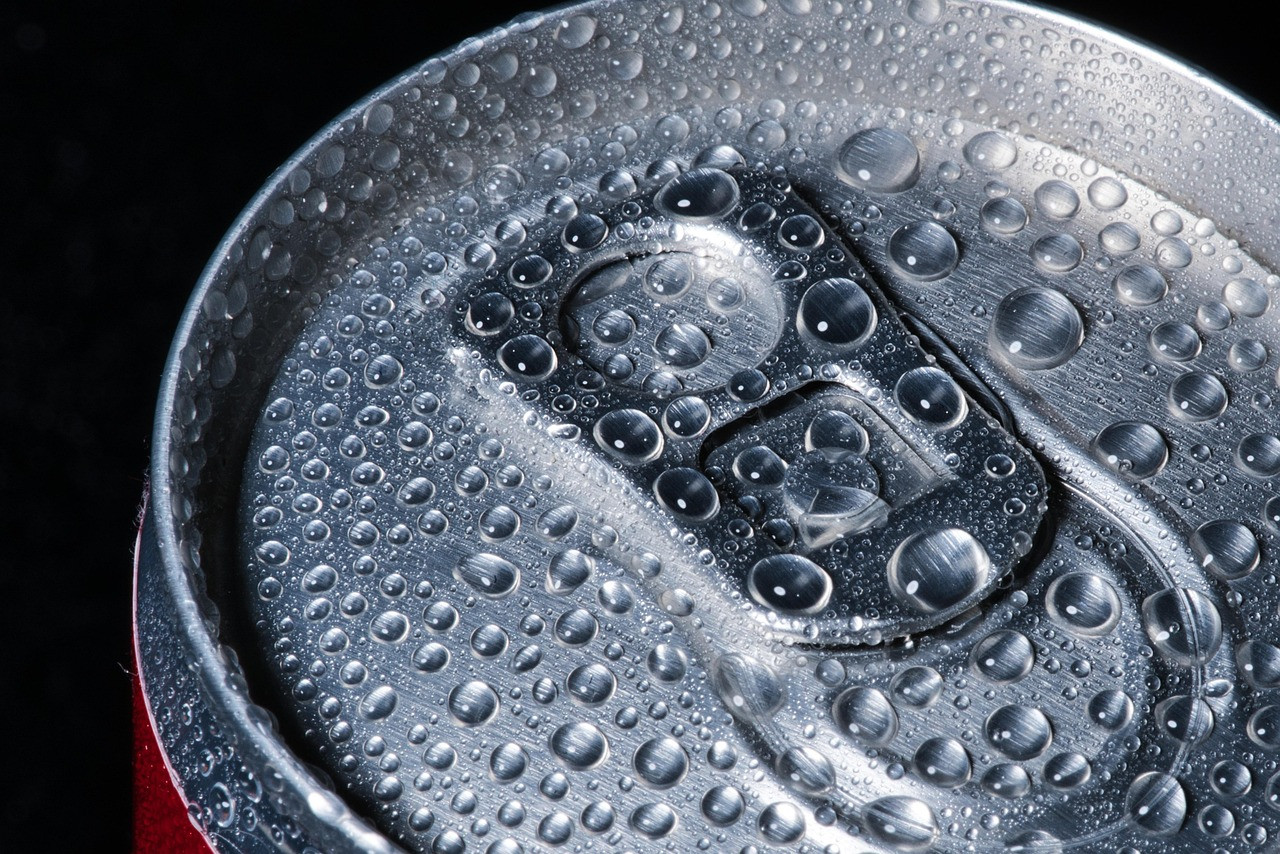
Representative image: Anrita1705 / Pixabay
In a court filing dated 28 October 2026, FSSAI told the Delhi High Court that India has no standard for 'energy drinks' and the label misleads consumers.
What Happened
India's food regulator, the Food Safety and Standards Authority of India (FSSAI), has told the Delhi High Court that drinks sold under the "energy drink" label are being marketed in a way that misleads consumers, because Indian food rules have no standard for such a category. The regulator's position is set out in a 57-page affidavit dated 28 October 2026, filed in reply to challenges by PepsiCo and Monster Beverage to its order restricting the term, and reported on 4 and 5 November. FSSAI asked the court to dismiss the companies' petitions. The companies argue that the regulator acted without giving them a fair hearing.
Key Facts
- The regulator: FSSAI, which sets food standards and labelling rules under the Food Safety and Standards Act.
- The filing: a 57-page affidavit dated 28 October 2026 in the Delhi High Court, in the cases brought by PepsiCo India and Monster Energy India.
- FSSAI's main argument: Indian food regulations do not recognise "energy drink" as a separate category for naming and labelling, so using the term could mislead buyers, according to reports of the filing.
- Health concerns cited by the regulator: high levels of caffeine, sugar and taurine in such drinks.
- Products named in FSSAI's notices of 1 July: PepsiCo's Sting and Adrenaline Rush, Monster Energy, Red Bull, Reliance Consumer's Campa Energy Drink and Hell Energy.
- Interim order: Justice Amit Mahajan stayed FSSAI's order while the challenge is heard, but allowed only existing stock with the label to be sold and barred its use on new batches, according to reports.
- Red Bull: in a separate ruling, the court set aside the order for Red Bull, finding it had not been given a chance to respond, and said FSSAI could decide again after following due process, according to reports.
Why It Matters
Energy drinks are high-caffeine soft drinks sold in cans and small bottles at shops across India, often at low prices. The dispute is over a word on the label, but that word is what tells a shopper what kind of drink they are buying. FSSAI's case is that a product category must be defined in the regulations before companies can use its name. Since no standard for "energy drink" exists in India, the regulator says, the label promises something the rules have not defined, and the companies use it to sell high-caffeine drinks.
The companies' case, as reported, is mainly about process. They say FSSAI issued its direction without warning and without giving them a chance to be heard. That argument has already worked once: the court set aside the order for Red Bull on that ground. For PepsiCo and Monster, the court has taken a middle path for now, letting old stock be sold while blocking the label on new production. One report says FSSAI also opposed PepsiCo's request for an open-ended 12-month period to use up its existing packaging.
For citizens, the case is about what packaged food labels can claim. FSSAI's filing links the issue to health, pointing to caffeine, sugar and taurine, a compound added to many such drinks. If the regulator wins, drinks that today carry the "energy drink" name would need new labels, and the companies may need to rework how they describe and advertise them. If the companies win on process, FSSAI could still issue a fresh order after hearing them, as the court indicated in the Red Bull case.
Peepals timeline: FSSAI issued its direction restricting the term on 30 June 2026 and sent notices covering six products on 1 July, followed by a letter on 17 July. PepsiCo and Monster went to the Delhi High Court, where Justice Amit Mahajan stayed the order in October while restraining use of the label on new batches; Red Bull separately won an order setting aside the direction against it. FSSAI's affidavit opposing the petitions is dated 28 October and was reported on 4 and 5 November.
| Date | Step |
|---|---|
| 30 June 2026 | FSSAI direction restricting the "energy drink" term |
| 1 July 2026 | Notices to six products, including Sting, Adrenaline Rush, Monster and Red Bull |
| October 2026 | High Court stays order; existing stock only, no label on new batches |
| 28 October 2026 | FSSAI affidavit asks court to dismiss PepsiCo and Monster petitions |
Impact
Short-term: shoppers may see some drinks without the "energy drink" wording on new batches while the case continues, since the interim order bars the term on new production.
Long-term: the ruling will decide whether FSSAI can stop a widely used product name before writing a standard for it, which matters for other new food and drink categories too.
Who is affected: buyers of high-caffeine drinks; PepsiCo, Monster, Reliance Consumer, Red Bull and Hell Energy; shopkeepers holding labelled stock; and FSSAI's powers over food labels.
Key Takeaway
FSSAI has told the Delhi High Court that "energy drink" is not a recognised food category in India and that the label misleads buyers, while PepsiCo and Monster say the regulator acted without hearing them.
Questions and Answers
Why does FSSAI object to the "energy drink" label?
FSSAI says Indian food regulations have no standard for an "energy drink" category, so using the name could mislead consumers. It has also raised health concerns about high caffeine, sugar and taurine.
Which energy drinks are affected?
FSSAI's notices of 1 July covered PepsiCo's Sting and Adrenaline Rush, Monster Energy, Red Bull, Reliance Consumer's Campa Energy Drink and Hell Energy.
Can energy drinks still be sold in India?
Yes. Under the High Court's interim order, existing stock carrying the label can be sold, but PepsiCo and Monster may not use the term on new batches while the case is pending, according to reports.
What do PepsiCo and Monster say?
They argue that FSSAI issued its direction without warning and without giving them a chance to be heard, and they have asked the court to set it aside.
Disclaimer: Prepared by the Peepals newsroom from publicly available sources with AI assistance. Information is accurate to the best of our knowledge at the time of publication and may change. Images may be representative. Not professional advice. Report an error via our contact page.
By Meera Iyer, Governance & Policy EditorCovers Governance & Policy and more for Peepals Bharat. All stories by Meera Iyer
India-Russia tourism: Open Your Russia 2.0 meet seeks open skies, more flights
Trident share price jumps as board clears Rs 4,650 crore expansion
Get the day's stories in your inbox
Peepals Weekly: the week decoded, free. One email a week, unsubscribe in one click.
Meera Iyer is a pen name of the Peepals Global Editorial Team, which researches, fact-checks and publishes every story. The portrait is an illustration.