
Supreme Court rejects Election Commission's 'lame excuses' over lost Sringeri video
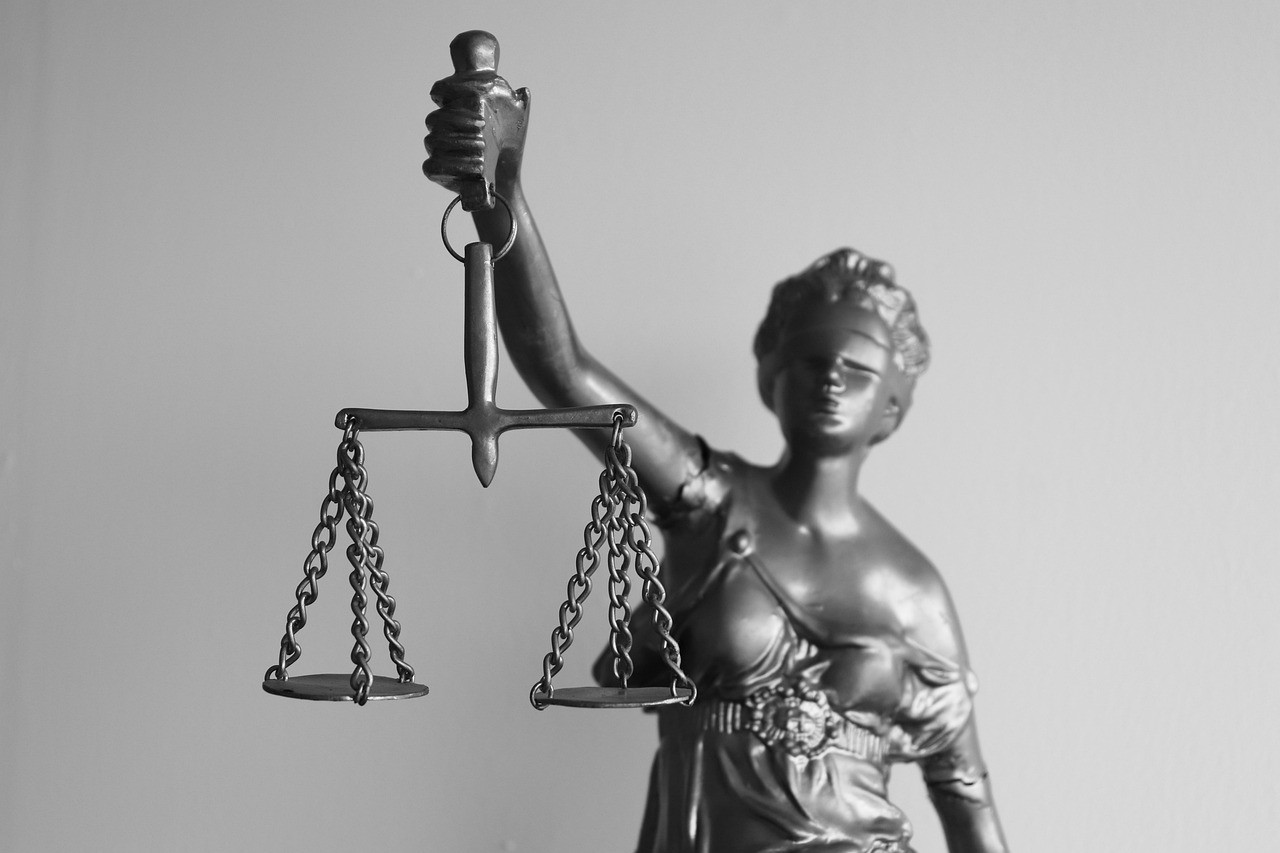
Representative image: Ezequiel_Octaviano / Pixabay
The Supreme Court on 14 October 2026 told the Election Commission it would not accept excuses for a missing 2023 Sringeri vote-counting video and warned of an adverse inference.
What Happened
The Supreme Court on Wednesday, 14 October 2026, pulled up the Election Commission of India (ECI) after the poll body said it could not trace the video recording of the 2023 vote count in Karnataka's Sringeri assembly constituency. A bench of Justice Sanjay Kumar and Justice Sanjeev Sachdeva rejected the explanation and said it would not accept what it called lame excuses. The court directed the commission to produce whatever records it has at the next hearing and warned that if the material was not provided, it would have to draw an adverse inference against the commission. The case concerns a disputed result between Congress MLA T D Rajegowda and the BJP's D N Jeevaraj. The matter was listed for 15 February 2027.
Key Facts
- Court: Supreme Court of India; bench of Justice Sanjay Kumar and Justice Sanjeev Sachdeva.
- Date: 14 October 2026.
- Issue: the Election Commission told the court it could not trace the video of the original 2023 vote count in Sringeri.
- Court's response: it would not accept lame excuses; the commission must produce available records or face an adverse inference.
- Original result: Rajegowda of the Congress won the 2023 election by 201 votes over Jeevaraj of the BJP.
- On 6 April 2026, a recount of postal ballots and re-verification of 279 rejected ballots was ordered; the recount put Jeevaraj ahead.
- In May 2026, the Supreme Court allowed Rajegowda to continue as MLA while it examines whether the recount was lawful.
- Rajegowda argues that officials went beyond the order by reconsidering 562 valid postal ballots that had been counted for him.
- Next hearing: 15 February 2027 (one report mentioned an earlier date).
Why It Matters
Election records, including videos of counting, exist precisely so that disputes can be settled on evidence. If a close result is challenged, the recording of the original count can show whether ballots were handled correctly. By saying it could not trace the video, the Election Commission left the court without a key piece of evidence in a dispute decided by just 201 votes. The bench's sharp response makes clear that it sees keeping such records as the commission's basic duty.
The warning of an adverse inference is significant. In legal terms, it means the court may assume that missing evidence would have gone against the party that failed to produce it. That puts real pressure on the commission to find and hand over whatever material survives, from the original count and the recount alike.
The case comes at a time when the Election Commission's handling of records and voter rolls is under close public and political scrutiny. Beyond Sringeri, it raises a wider question for voters: how securely are counting videos and other election records stored, and for how long? The answer matters for every close contest, since the ability to check a count is part of what makes a result trustworthy.
| Date | Step |
|---|---|
| 2023 | Rajegowda wins Sringeri by 201 votes |
| 6 April 2026 | Recount of postal ballots ordered; Jeevaraj ahead after recount |
| May 2026 | Supreme Court lets Rajegowda continue as MLA during challenge |
| 14 October 2026 | Court rejects ECI's explanation for missing counting video |
| 15 February 2027 | Next hearing |
Impact
Short-term: The Election Commission must search for and produce the counting records before the next hearing, or risk an adverse inference that could weigh against it in the dispute.
Long-term: The case could prompt clearer rules on how long counting videos and related records must be kept and how they are stored, so that they are available when results are challenged.
Who is affected: T D Rajegowda and D N Jeevaraj, voters in Sringeri, the Election Commission, and candidates and voters in any close election where a result may be challenged.
Key Takeaway
The Supreme Court has warned the Election Commission that it will not accept excuses for losing the 2023 Sringeri counting video and may draw an adverse inference if records are not produced.
Questions and Answers
Why did the Supreme Court criticise the Election Commission?
On 14 October 2026 the commission said it could not trace the video of the 2023 vote count in Karnataka's Sringeri constituency. The court said it would not accept lame excuses and asked for all available records.
What is the Sringeri election dispute about?
Congress MLA T D Rajegowda won in 2023 by 201 votes over the BJP's D N Jeevaraj. A recount of postal ballots ordered in April 2026 put Jeevaraj ahead, and Rajegowda has challenged that recount in the Supreme Court.
What is an adverse inference?
It means a court may assume that evidence a party failed to produce would have gone against that party. The bench warned the Election Commission it could draw such an inference.
When is the next hearing in the Sringeri case?
The matter has been listed for 15 February 2027.
Disclaimer: Prepared by the Peepals newsroom from publicly available sources with AI assistance. Information is accurate to the best of our knowledge at the time of publication and may change. Images may be representative. Not professional advice. Report an error via our contact page.
Sourced and fact-checked by the Peepals Global Editorial Team
Punjab uncovers Rs 429 crore GST tax evasion network of 62 firms
Kashmir schools move to winter timings from October 15 as temperatures drop
Reported, fact-checked and published by the Peepals Global Editorial Team.