
Supreme Court, in Sunday sitting, bars illegal detention of peaceful Delhi protesters

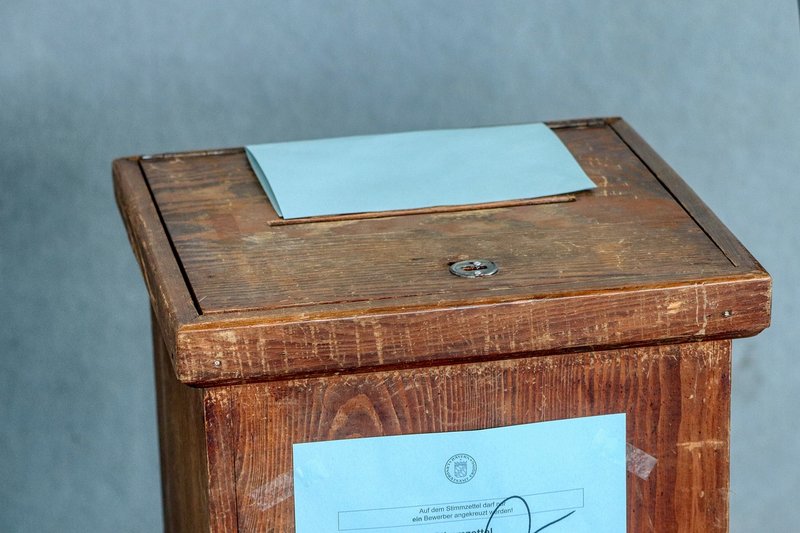
Representative image: succo / Pixabay
In a special sitting on October 11, 2026, the Supreme Court said peaceful protesters in Delhi must not be illegally detained and internet must stay undisturbed.
What Happened
The Supreme Court held a special sitting on Sunday, October 11, 2026, to hear petitions against the Delhi Police's handling of protests in the capital against Chief Election Commissioner Gyanesh Kumar. A bench of Justices Joymalya Bagchi and V. Mohana directed that people protesting peacefully must not be illegally detained, that free movement be allowed subject to traffic rules, that barricades be reviewed, and that internet services remain undisturbed, all subject to any law and order situation. The hearing followed a day of heavy restrictions on October 10, when the youth-led Cockroach Janta Party had called a rally at Jantar Mantar demanding the election chief's resignation over the revision of voter rolls. The court also took up a contempt plea alleging that its October 9 order against a complete shutdown of metro services had been violated.
Key Facts
- On October 10, the party's founder Abhijeet Dipke and leaders Saurav Das and Ashutosh Ranka were detained on their flight soon after it landed in Delhi, according to reports.
- About 45 metro stations were shut and mobile internet was suspended in central Delhi on October 10; police checked buses at entry points to the city.
- A police source put the number detained in the central business district at about 200; other reports citing police gave much higher city-wide figures.
- At the Sunday hearing, Senior Advocate Kapil Sibal told the court police were picking people up from trains and from outside a 4 km radius of Jantar Mantar.
- Solicitor General Tushar Mehta said there was no reduction in total metro operations on October 10 and that those detained had been released.
- The contempt plea, filed by advocate Shailendra Mani Tripathi, names the Union Home Secretary, the Delhi Police Commissioner and the Delhi Metro chief.
- At least four petitions are before the court, including a habeas corpus plea and one by the Supreme Court Advocates-on-Record Association over detained lawyers and internet suspension.
Why It Matters
The right to assemble peacefully is protected by the Constitution, but the police can impose reasonable restrictions to maintain order. The Sunday directions draw a line: authorities may manage a protest, but they may not detain people who are protesting peacefully without legal grounds, and they should not cut off internet access as a blanket measure. A special Sunday sitting is itself unusual and shows how urgently the court viewed the complaints.
The case also tests how far the court's earlier order of October 9 was followed. That order said there should be no complete prohibition on metro services and that transport should be regulated rather than stopped. Petitioners say dozens of stations were still closed; the government says overall metro operations were not reduced. The court said it would hear all sides before deciding on contempt.
For ordinary residents, the restrictions went beyond protesters. Commuters faced closed stations and checks, and the internet suspension disrupted digital payments and access to information in the area. How the court settles these questions will shape how police in Delhi and elsewhere handle large protests, and how often internet shutdowns are used.
| Date | Event |
|---|---|
| October 9, 2026 | Supreme Court says no complete ban on metro services ahead of protest |
| October 10, 2026 | Leaders detained, about 45 stations shut, mobile internet suspended in central Delhi |
| October 11, 2026 | Special Sunday sitting; court bars illegal detention, orders internet to stay undisturbed |
Impact
Short-term: Police in Delhi are bound by the court's directions on detention, movement and internet access while protests continue.
Long-term: The contempt plea and habeas corpus petitions could produce clearer rules on when authorities may shut transport or the internet ahead of a protest.
Who is affected: Protesters and political groups, Delhi residents and commuters, journalists and lawyers covering or taking part in protests, the Delhi Police and the Union Home Ministry.
Key Takeaway
The Supreme Court's Sunday directions say peaceful protest in Delhi must be managed, not prevented, through illegal detentions or blanket internet cuts.
Questions and Answers
What did the Supreme Court order on October 11, 2026?
A bench of Justices Joymalya Bagchi and V. Mohana directed that peaceful protesters should not be illegally detained, free movement should be allowed subject to traffic rules, barricades should be reviewed and internet services should remain undisturbed, subject to law and order.
Why were people protesting in Delhi?
The Cockroach Janta Party called a rally at Jantar Mantar on October 10 demanding the resignation of Chief Election Commissioner Gyanesh Kumar over the revision of voter rolls.
What is the contempt plea about?
It alleges that authorities kept metro services restricted on October 10 despite the court's October 9 order against a complete shutdown. The government told the court there was no reduction in overall metro operations.
Are the detained leaders still in custody?
The Solicitor General told the court that those detained have been released. The court has not yet ruled on the habeas corpus and contempt petitions.
Disclaimer: Prepared by the Peepals newsroom from publicly available sources with AI assistance. Information is accurate to the best of our knowledge at the time of publication and may change. Images may be representative. Not professional advice. Report an error via our contact page.
Sourced and fact-checked by the Peepals Global Editorial Team
DMart's sales rise 17.8% in September quarter, but profit grows only 8.5%
Bank profits seen up 15-25% in July-September as NRI deposit surge squeezes margins
Reported, fact-checked and published by the Peepals Global Editorial Team.