
UGC advisory: check a university's approval before paying, after Supreme Court order
 By Aditi KulkarniEducation Writer, Peepals Bharat

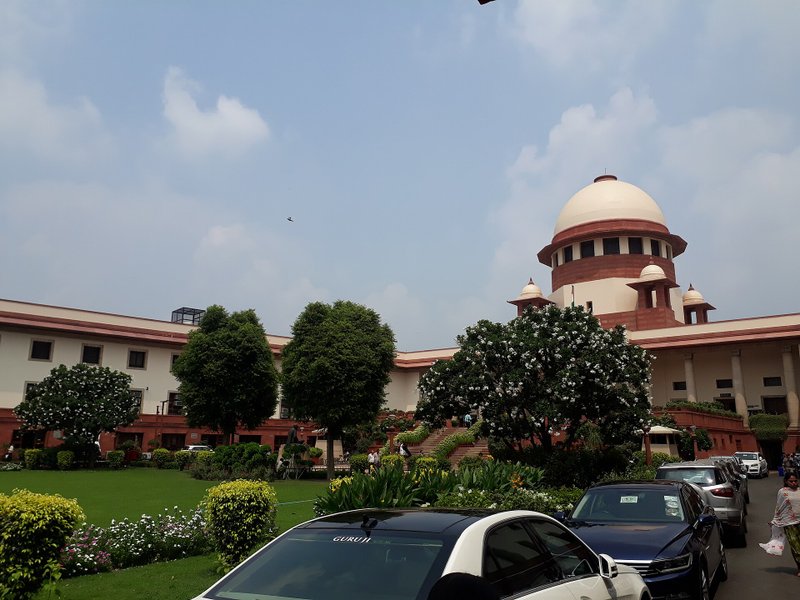
Representative image: Leo_Fontes / Pixabay
The UGC told students on 18 November 2026 to verify any university's legal approval before admission, under a Supreme Court order of 9 October.
UGC advisory: what happened
The University Grants Commission (UGC) has issued a public advisory telling students and parents not to rely on advertisements, websites, brochures or social media claims when choosing a university, and to check for themselves that an institution is legally set up and allowed to award degrees before paying fees or taking admission. The advisory, which the commission shared publicly on Wednesday, 18 November 2026, was issued under a Supreme Court order of 9 October 2026. It warns that degrees from institutions not authorised under the UGC Act, 1956, are not recognised for higher studies or jobs.
UGC advisory: key facts
- Who: the University Grants Commission, India's regulator for higher education.
- Why now: the Supreme Court's order of 9 October 2026 in W.P.(C) No. 531/2025 directed the UGC and other regulators to issue public advisories.
- Core message: do not rely only on an institution's own claims of recognition, affiliation or approval.
- Consequence: degrees from institutions not authorised under the UGC Act, 1956, are not valid for further education or employment, the UGC said.
- Where to check: the UGC website, which lists recognised universities and the institutions it has declared fake.
- Background: the case drew attention to an alleged fake medical college in Etah, Uttar Pradesh, run from a farmhouse.
- Others too: the National Dental Commission has issued a similar warning about fake dental colleges.
UGC advisory: why it matters
Institutions that call themselves universities without legal approval can cost students money and years of study. Only institutions authorised under the law can award degrees, and professional courses such as medicine and dentistry need further approval from their own regulators. Glossy advertisements and websites can make an unapproved institution look genuine, and families often find out only when a degree is rejected by an employer or another university.
The Supreme Court's involvement gives this advisory more weight than routine warnings. The court directed the UGC and other regulators to alert the public, and asked the Union government to monitor whether they comply. That puts regulators on notice to keep their lists up to date and to make checks easy for students.
For students and parents, the practical message is simple. Before paying any fee, look up the institution on the UGC website and, for professional courses, on the website of the relevant council or commission, such as the National Medical Commission or the National Dental Commission. Check the exact name and address of the campus, since some fake institutions use names close to those of real universities.
Peepals timeline: The Supreme Court heard a case, W.P.(C) No. 531/2025, that brought to light an alleged fake medical college in Etah, Uttar Pradesh, operating from a farmhouse. On 9 October 2026, the court directed the UGC and all regulatory authorities to issue public advisories and asked the Union government to monitor compliance. The UGC shared its advisory publicly on 18 November 2026, and the National Dental Commission issued a similar warning about fake dental colleges. Further hearings in the wider case on oversight of private institutions are expected.
UGC advisory: impact
Short-term: Students applying for courses in the current and coming admission cycles have an official reminder, and a clear source, for checking an institution before paying.
Long-term: If regulators keep their lists updated and students check them, fake institutions will find it harder to attract admissions. The court's monitoring could push regulators to act faster against such institutions.
Who is affected: Students and parents choosing colleges, especially for professional courses; legitimate private universities; and regulators including the UGC, the National Medical Commission and the National Dental Commission.
UGC advisory: key takeaway
Before paying any admission fee, check the institution on the UGC website's lists of recognised and fake universities, and on the relevant professional council's site for medical, dental or other professional courses.
UGC advisory: questions and answers
What did the UGC advisory of November 2026 say?
It told students and parents not to rely on an institution's advertisements or claims, and to verify that it is legally established and allowed to award degrees. Degrees from institutions not authorised under the UGC Act, 1956, are not recognised for higher studies or jobs.
Why did the UGC issue this advisory?
The Supreme Court, in an order of 9 October 2026, directed the UGC and other regulators to issue public advisories after a case involving an alleged fake medical college in Etah, Uttar Pradesh.
How can I check if a university is genuine?
Use the UGC website, which lists recognised universities and fake institutions. For medical, dental and other professional courses, also check the website of the relevant regulator.
What happens if I get a degree from an unrecognised institution?
The UGC says such degrees are not recognised for higher education or employment, so the time and fees spent may not count.
Disclaimer: Prepared by the Peepals newsroom from publicly available sources with AI assistance. Information is accurate to the best of our knowledge at the time of publication and may change. Images may be representative. Not professional advice. Report an error via our contact page.
By Aditi Kulkarni, Education WriterCovers Education and more for Peepals Bharat. All stories by Aditi Kulkarni
PUC certificate rules: three years for new BS-VI cars, three months for BS-III
Goa AI Policy 2026: Rs 250 crore, GPU access and start-up support
Your week ahead, every Sunday. Free.
Exam and result dates, IPOs opening, scheme deadlines, government holidays and the RBI decision for the next 7 days, plus the week's top stories. One email a week, unsubscribe in one click.
Aditi Kulkarni is a pen name of the Peepals Global Editorial Team, which researches, fact-checks and publishes every story. The portrait is an illustration.
Responsible for this story: the Peepals Global Editorial Team, led by editor Prashant Sonar. How we report