
Dutch eSIM start-up Braid raises €34 million Series A led by Octopus
 By Elena D’SouzaStartups & Innovation Correspondent, Peepals Global
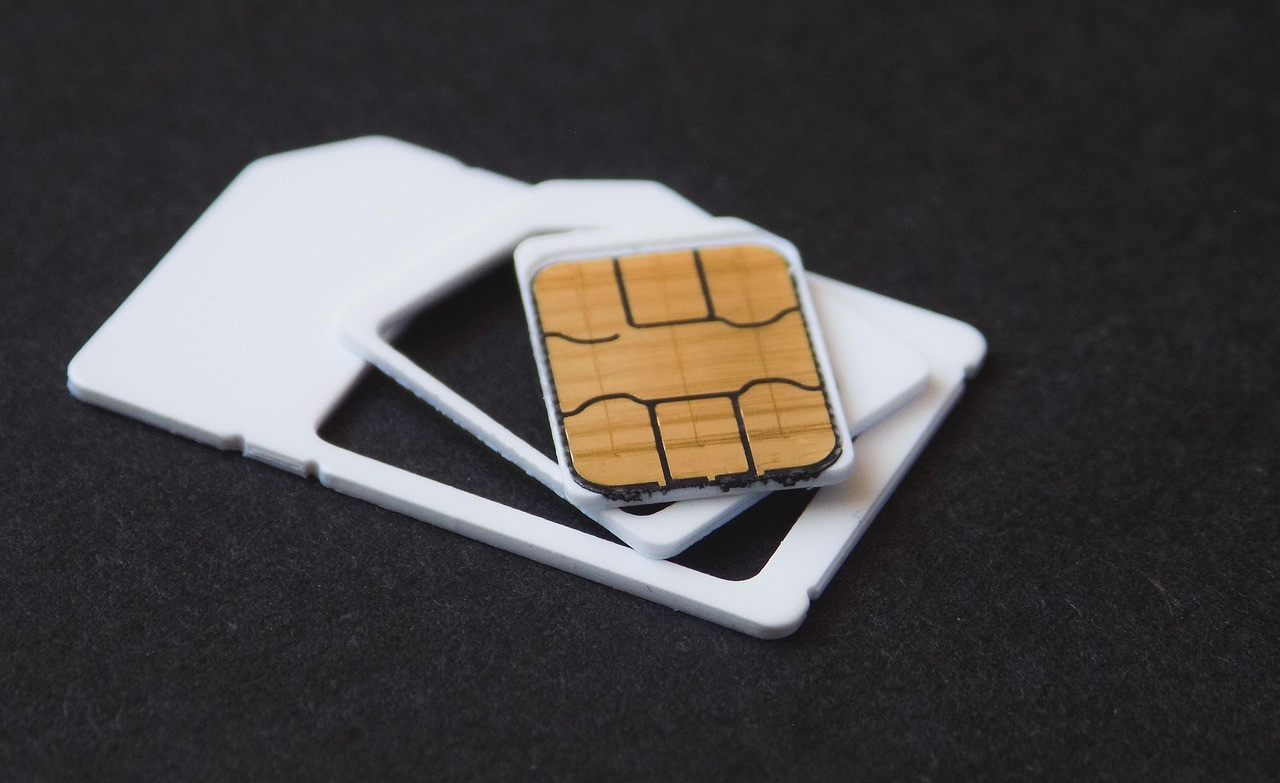
Representative image: tomekwalecki / Pixabay
Braid, a Hague-based start-up formerly called Next Communications, raised about €34.13 million in a Series A led by Octopus Ventures, announced October 29-30, 2026.
What Happened
Braid, a mobile connectivity start-up based in The Hague, the Netherlands, has raised about €34.13 million (about $38 million) in a Series A funding round led by Octopus Ventures, its first outside capital. The company, previously called Next Communications, announced the round and its new name on October 29-30, 2026. KPN Ventures, the investment arm of Dutch telecom operator KPN, also took part. Braid sells a single software interface that lets other companies build SIM and eSIM mobile connectivity into their own apps, and says it reaches more than 600 mobile networks in over 200 countries.
Key Facts
- Company: Braid, formerly Next Communications, based in The Hague, the Netherlands.
- Round: Series A of about €34.13 million (about $38 million); one report gives €34.12 million.
- Lead investor: Octopus Ventures; KPN Ventures also invested.
- This is Braid's first external funding.
- Product: a single API (application programming interface) that lets businesses embed SIM and eSIM connectivity in their own apps.
- Reach: more than 600 mobile carrier networks in over 200 countries.
- Customers: close to 90 enterprise clients, including fintech and travel companies; one report describes the company as profitable.
- Use of funds: international expansion, a larger carrier network and more infrastructure.
Why It Matters
Mobile connectivity has traditionally been sold by telecom operators directly to customers. Braid's model is different: it lets any company, such as a travel app or a digital bank, offer its own mobile data plans inside its app, without becoming a telecom operator itself. An eSIM (embedded SIM) is a digital SIM built into a phone that can be activated through software rather than by inserting a physical card, which makes this kind of service much easier to deliver.
An API, in plain terms, is a set of software instructions that lets one company's app connect to another company's service. By offering a single API that links to hundreds of networks worldwide, Braid aims to save its customers from negotiating with operators country by country.
The round stands out for two reasons. First, Braid built its business before taking any outside capital, and one report describes it as profitable. Second, a telecom operator's own venture arm, KPN Ventures, invested, which suggests established operators see such platforms as partners rather than only as competitors.
For Indian founders and readers, the story is relevant on two levels. Travel and fintech, two of the sectors Braid serves, are also busy areas for Indian start-ups, and Indian start-ups building travel or fintech apps can study how embedded connectivity becomes a feature rather than a separate product. Braid's path, growing to profitability before raising money, is also a model some founders prefer to heavy early fundraising.
| Item | Detail |
|---|---|
| Company | Braid (formerly Next Communications), The Hague |
| Round | Series A, about €34.13 million (about $38 million) |
| Lead | Octopus Ventures |
| Other investor | KPN Ventures |
| Network reach | 600+ carriers, 200+ countries |
| Customers | Close to 90 enterprises |
Impact
Short-term: Braid will use the money to expand internationally and add carrier partners and infrastructure. Its enterprise customers may gain coverage in more countries.
Long-term: If embedded connectivity becomes common, travellers and app users may increasingly buy mobile data through the apps they already use rather than directly from operators, changing how telecom services are sold.
Who is affected: Businesses in travel, fintech and other sectors that want to offer connectivity; mobile operators, who may sell more capacity through platforms; and consumers, especially international travellers.
Key Takeaway
Dutch start-up Braid, formerly Next Communications, raised about €34.13 million in a Series A led by Octopus Ventures, announced on October 29-30, 2026, to expand its platform that lets companies embed SIM and eSIM connectivity in their apps.
Questions and Answers
How much did Braid raise and who led the round?
Braid raised about €34.13 million (about $38 million) in a Series A round led by Octopus Ventures, with KPN Ventures participating. It is the company's first outside funding.
What does Braid do?
Braid offers a single API that lets companies build SIM and eSIM mobile connectivity into their own apps, with access to more than 600 mobile networks in over 200 countries.
What is an eSIM?
An eSIM is a digital SIM built into a device. It can be activated through software, without inserting a physical SIM card, which makes it easier to offer mobile plans through apps.
What was Braid's old name?
Braid was previously called Next Communications and changed its name when it announced the funding round.
Disclaimer: Prepared by the Peepals newsroom from publicly available sources with AI assistance. Information is accurate to the best of our knowledge at the time of publication and may change. Images may be representative. Not professional advice. Report an error via our contact page.
By Elena D’Souza, Startups & Innovation CorrespondentCovers Start-ups & Opportunities and more for Peepals Global. All stories by Elena D’Souza
G20 in Atlanta drops group photo as Europeans refuse to pose with Lavrov
Spain beat Czech Republic 3-0 to win first FIFA U-15 World Cup
Get the day's stories in your inbox
Peepals Weekly: the week decoded, free. One email a week, unsubscribe in one click.
Elena D’Souza is a pen name of the Peepals Global Editorial Team, which researches, fact-checks and publishes every story. The portrait is an illustration.