

Sweden's Riksbank lifts policy rate to 2%, signals another rise next year
 By Neha KapoorEconomy Correspondent, Peepals Business
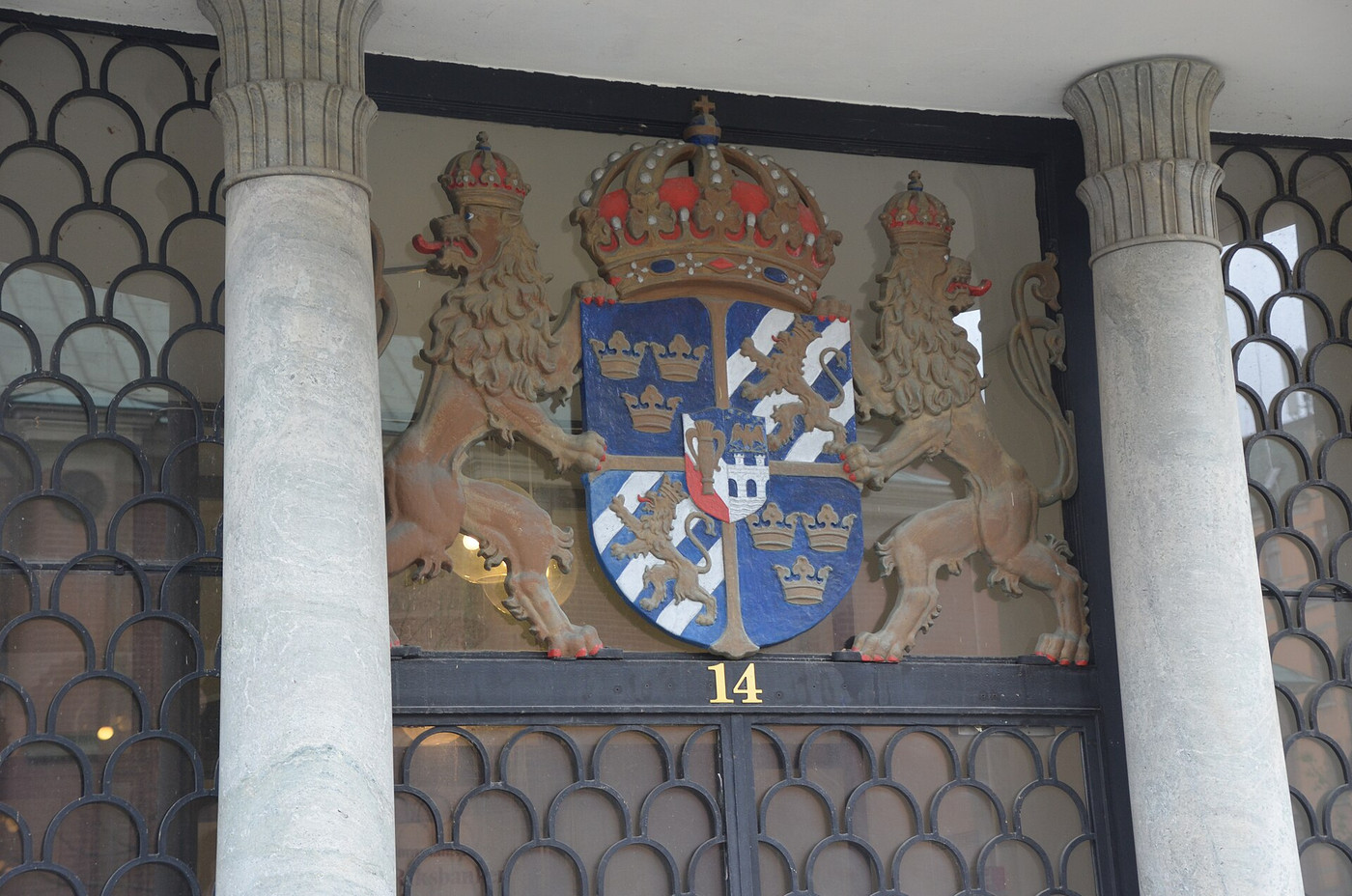
File photo: Boberger (CC BY 4.0), via Wikimedia Commons
Sweden's Riksbank raised its policy rate by 0.25 point to 2% on 4 November 2026, its first increase since 2023, and said a further hike next year is likely.
What Happened
Sweden's central bank, the Riksbank, raised its policy rate by 0.25 percentage point to 2% on Wednesday, 4 November 2026, from 1.75%. It is the Riksbank's first rate increase since 2023 and its first change of any kind in more than a year. The Executive Board's decision, which reports said was unanimous, takes effect on Wednesday, 11 November 2026, and the bank said a further rise in the coming year is likely if its outlook for inflation and growth holds.
Key Facts
- Decision: policy rate raised by 0.25 percentage point, from 1.75% to 2%.
- Date: announced on Wednesday, 4 November 2026; applies from 11 November 2026.
- Vote: unanimous, according to reports of the Executive Board's decision.
- History: the first increase since 2023 and the first move in more than a year.
- Reason: inflation pressure from stronger economic activity together with cost increases caused by supply disruptions, according to reports on the decision.
- Outlook: the Riksbank said that if the outlook holds, the policy rate is likely to be raised further in the coming year.
- Next dates: minutes of the meeting on 10 November 2026; the next Monetary Policy Report with new forecasts on 16 December 2026.
Why It Matters
The Riksbank's move adds Sweden to a growing group of central banks that are turning back towards higher rates after a period of cuts or pauses. Australia's central bank raised its cash rate to 4.85% a day earlier, on 3 November, and euro area inflation reached 4% in October as energy prices jumped. Australia's central bank cited the war in the Middle East and oil prices in its decision.
For Sweden, a higher policy rate means banks will gradually charge more for loans whose rates follow the central bank's, while savers may earn a little more. By moving in a small step and signalling more to come, the Riksbank is showing that it intends to act early against inflation.
For Indian readers, the decision is part of a wider pattern that matters: when central banks in rich economies raise rates, global investors can find it more attractive to keep money there rather than in emerging markets, which can put pressure on currencies such as the rupee. The Reserve Bank of India's next policy decision is due in December, and SBI's chairman has said he expects a rate hike then.
Peepals calculation: Moving from 1.75% to 2% is a rise of 0.25 percentage point, which is about 14% higher in relative terms (0.25 ÷ 1.75 = 0.143). On a loan of 1 million Swedish kronor whose rate moves one-for-one with the policy rate, yearly interest would rise by about 2,500 kronor (1,000,000 × 0.0025). Our calculation from the reported figures.
| Central bank | Latest decision | Date |
|---|---|---|
| Riksbank (Sweden) | Raised to 2.00% | 4 November 2026 |
| Reserve Bank of Australia | Raised to 4.85% | 3 November 2026 |
Impact
Short-term: Swedish borrowers with variable-rate loans will start to see higher interest costs after the new rate applies from 11 November.
Long-term: If the Riksbank follows through with another increase next year, Sweden will have moved firmly into a tightening cycle. Its 16 December forecasts will show how many more rises it expects.
Who is affected: Swedish households and companies with loans; savers, who may earn more on deposits; investors in Swedish bonds; and, indirectly, emerging-market currencies, including the rupee, which react to rising global rates.
What to watch next: Minutes of the Riksbank meeting on 10 November 2026 and the next Monetary Policy Report on 16 December 2026.
Key Takeaway
Sweden's Riksbank raised its policy rate to 2% on 4 November 2026, its first increase since 2023, and signalled that another rise is likely in the coming year.
Questions and Answers
What did the Riksbank decide on 4 November 2026?
The Riksbank raised Sweden's policy rate by 0.25 percentage point to 2%, from 1.75%. The new rate applies from 11 November 2026.
Why did the Riksbank raise interest rates?
The decision was linked to inflation pressure from stronger economic activity and higher costs caused by supply disruptions, according to reports on the decision.
Will the Riksbank raise rates again?
The bank said that if the outlook for inflation and economic activity holds, the policy rate is likely to be raised further in the coming year.
When is the Riksbank's next update?
The minutes are due on 10 November 2026, and the next Monetary Policy Report with forecasts is scheduled for 16 December 2026.
Disclaimer: Prepared by the Peepals newsroom from publicly available sources with AI assistance. Information is accurate to the best of our knowledge at the time of publication and may change. Images may be representative. Not professional advice. Report an error via our contact page.
By Neha Kapoor, Economy CorrespondentCovers Economy and more for Peepals Business. All stories by Neha Kapoor
Sachin Tendulkar invests in Hitwicket maker Metasports, eyes 100 million downloads
altM gets $10.3 million to turn crop waste into industrial chemicals
Get the day's stories in your inbox
Peepals Weekly: the week decoded, free. One email a week, unsubscribe in one click.
Neha Kapoor is a pen name of the Peepals Global Editorial Team, which researches, fact-checks and publishes every story. The portrait is an illustration.