
Xiaomi to invest 1.7 billion yuan in Sunwoda's EV battery unit for 5.34% stake
 By Arjun MehtaSenior Business Editor, Peepals Business
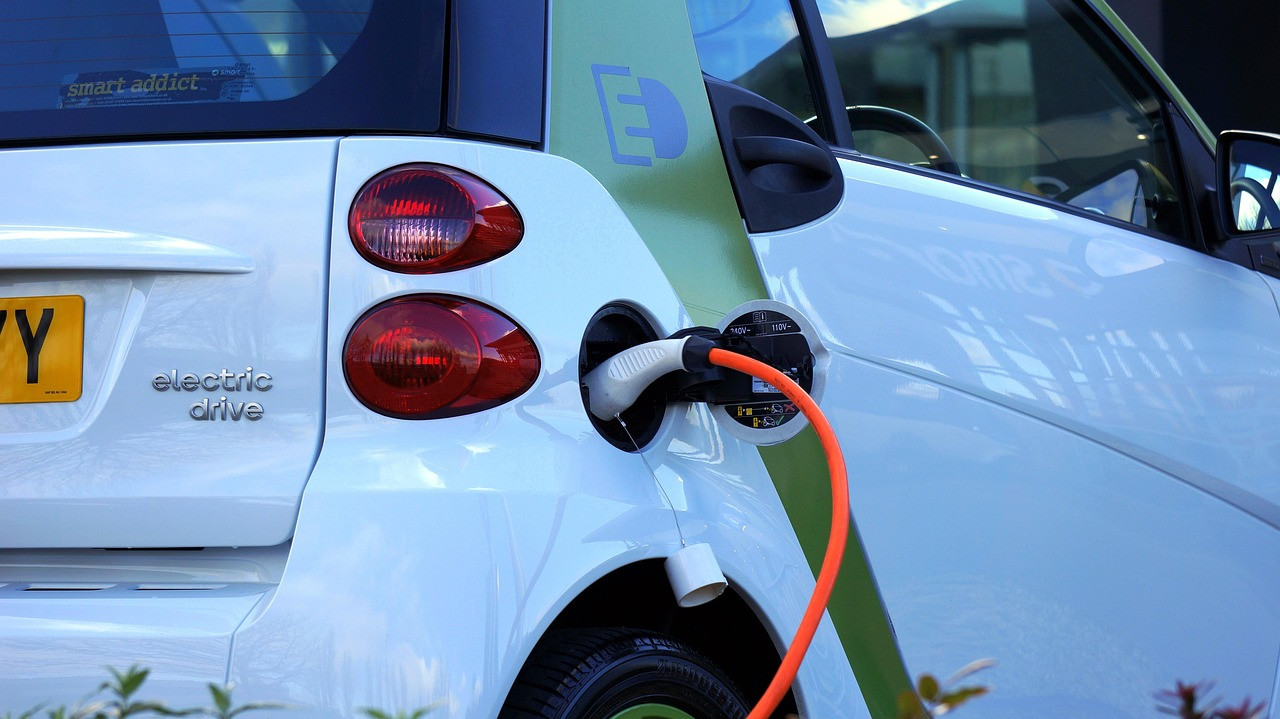
Representative image: VariousPhotography / Pixabay
Xiaomi plans to invest 1.7 billion yuan, about $250 million, in Sunwoda's EV battery unit for a 5.34% stake, a filing released on 29 October 2026 shows, following Li Auto into the company.
What Happened
Chinese electronics and car maker Xiaomi plans to invest 1.7 billion yuan, about $250 million, in the electric vehicle (EV) battery unit of Chinese battery maker Sunwoda, in return for a 5.34% stake, according to a filing released on the evening of Thursday, 29 October 2026. The money will come through Xiaomi's wholly owned investment arm, Hanxing Venture Capital, and will make Xiaomi the battery unit's third-largest shareholder. The deal follows a similar move by EV maker Li Auto and still needs approval from Sunwoda's shareholders.
Key Facts
- Investment: 1.7 billion yuan for a 5.34% stake in Sunwoda's EV battery unit, known as Sunwoda EVB or Sunwoda Power.
- Investor: Hanxing Venture Capital, a wholly owned Xiaomi subsidiary.
- Valuation: one report says the price was flat with the unit's previous funding round, at about 31.8 billion yuan after the investment.
- Sunwoda's own stake in the unit falls from 24.06% to 22.78%, and Sunwoda will no longer consolidate the unit's full accounts.
- Sunwoda also plans to drop a planned Hong Kong share listing, according to reports.
- In September 2026, Li Auto proposed investing 2.65 billion yuan for an 8.79% stake in the same unit.
- Sunwoda already supplies cells for Xiaomi's "Longjia" battery line, according to reports.
- The battery unit earlier closed a larger Series C round of about 16.8 billion yuan, or $2.31 billion, with 13 investors, according to a deal tracker.
Why It Matters
Batteries are the single most expensive part of an electric car, often accounting for a large share of its cost. That is why carmakers are no longer content simply to buy batteries; they want a stake in their suppliers. Owning part of a battery maker can mean better access to supply when demand is high, closer cooperation on new battery designs, and a share of the profits.
Xiaomi is a newer entrant to cars, having moved from smartphones into EVs, and it is competing in the world's most crowded EV market. By investing in a supplier that already makes cells for its cars, it is locking in a relationship at a time when Chinese carmakers are fighting hard on price and technology. Li Auto's earlier move into the same company shows the trend is wider than one firm.
For Sunwoda, the deal brings fresh capital without a stock market listing, on top of the large Series C round its battery unit had already raised from more than a dozen investors. Dropping the Hong Kong listing plan and giving up full control of the unit's accounts shows how investment from carmakers can reshape a supplier's strategy.
India's EV makers face the same question of how to secure batteries. The government runs an incentive scheme to encourage local manufacturing of advanced battery cells. Partnerships between carmakers and battery makers, as seen in China, are one route Indian companies are watching.
| Investor | Amount | Stake in Sunwoda EVB |
|---|---|---|
| Li Auto (proposed, September 2026) | 2.65 billion yuan | 8.79% |
| Xiaomi (proposed, October 2026) | 1.7 billion yuan | 5.34% |
Impact
Short-term: If shareholders approve, Xiaomi becomes a significant investor in one of its battery suppliers, and Sunwoda gets new funds for expansion.
Long-term: The deal adds to a pattern of Chinese carmakers taking stakes in battery suppliers, which could tighten supply for outside buyers and shape how the global battery market is organised.
Who is affected: Xiaomi and Li Auto; Sunwoda and its shareholders; rival battery makers and carmakers; and EV makers elsewhere, including India, that depend on Chinese battery supply.
Key Takeaway
Xiaomi's planned 1.7 billion yuan investment in Sunwoda's EV battery unit, following Li Auto's, shows carmakers moving to own a piece of the batteries their cars depend on.
Questions and Answers
How much is Xiaomi investing in Sunwoda?
Xiaomi plans to invest 1.7 billion yuan, about $250 million, through its subsidiary Hanxing Venture Capital, for a 5.34% stake in Sunwoda's EV battery unit, according to a filing released on 29 October 2026.
Is the Xiaomi-Sunwoda deal final?
Not yet. The capital increase agreement has been signed, but the deal still needs approval from Sunwoda's shareholders.
Why are carmakers investing in battery makers?
Batteries are the costliest part of an EV. A stake helps carmakers secure supply, work closely on new technology and share in the supplier's profits.
What happens to Sunwoda's Hong Kong listing plan?
Reports say Sunwoda plans to scrap a planned Hong Kong listing as part of the changes.
Disclaimer: Prepared by the Peepals newsroom from publicly available sources with AI assistance. Information is accurate to the best of our knowledge at the time of publication and may change. Images may be representative. Not professional advice. Report an error via our contact page.
By Arjun Mehta, Senior Business EditorCovers Start-ups & Opportunities and more for Peepals Business. All stories by Arjun Mehta
Get the day's stories in your inbox
Peepals Weekly: the week decoded, free. One email a week, unsubscribe in one click.
Arjun Mehta is a pen name of the Peepals Global Editorial Team, which researches, fact-checks and publishes every story. The portrait is an illustration.