
Ex-Palantir founders' Dream raises $17 million to let AI design buildings
 By Arjun MehtaSenior Business Editor, Peepals Business
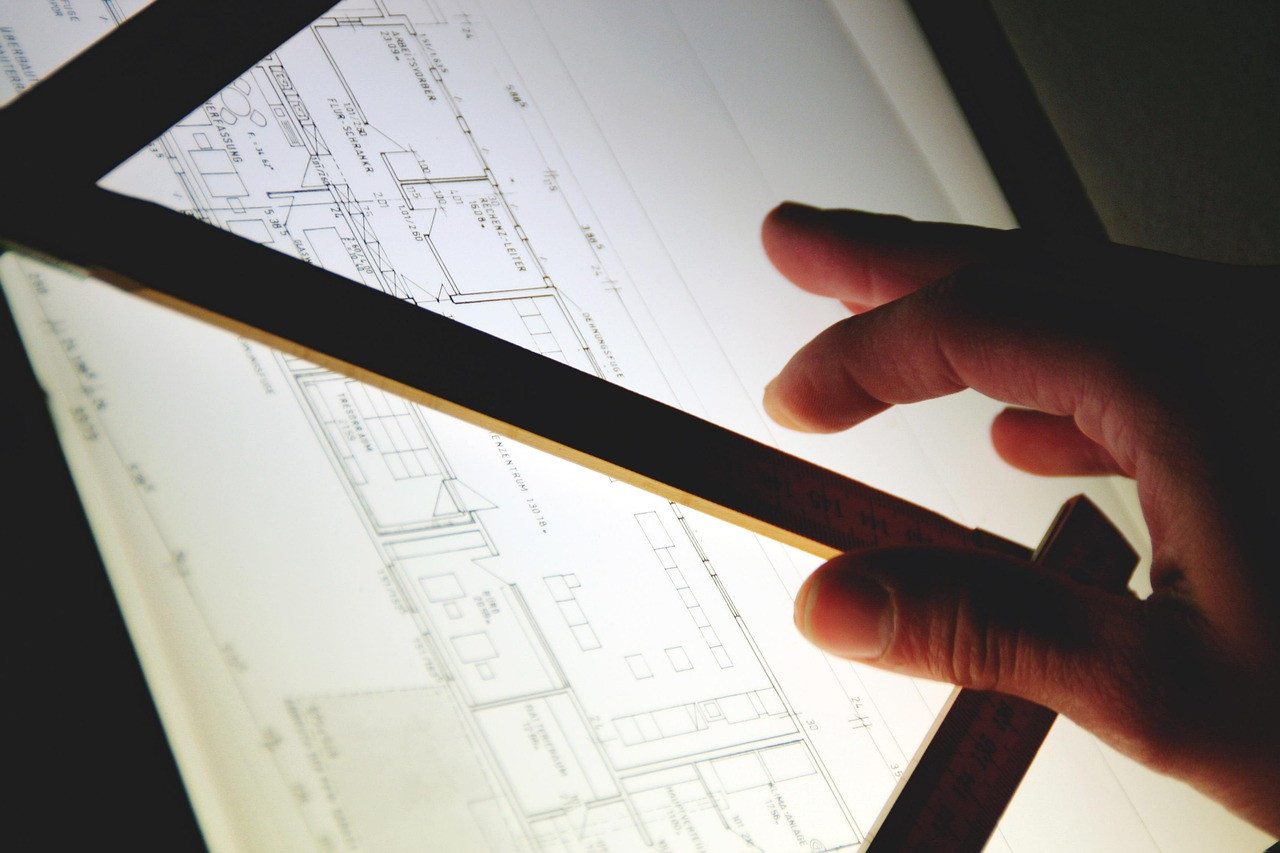
Representative image: andreas160578 / Pixabay
Dream, a San Francisco start-up from two ex-Palantir executives, launched on October 29, 2026 with $17 million led by Andreessen Horowitz to build AI that designs buildings.
What Happened
Dream, a San Francisco start-up founded by two former Palantir executives, came out of stealth on October 29, 2026 with a $17 million seed round led by the venture capital firm Andreessen Horowitz (a16z). SV Angel, XYZ Venture Capital and Zigg Capital also invested. The company says it is building artificial intelligence "world models" that can design buildings and produce drawings detailed enough for contractors to build from.
Key Facts
- Founders: Andy Elder and Arjun Mathur, who met at Stanford University and each spent about a decade at the data analytics company Palantir.
- At Palantir, Elder led product design for its global team and Mathur built its manufacturing and supply-chain business, according to reports on the launch.
- Funding: a $17 million seed round led by Andreessen Horowitz, with SV Angel, XYZ Venture Capital and Zigg Capital.
- The company says its model was trained on permit records covering more than 100 million square feet of buildings in the United States.
- Dream says it is already acting as the architect of record on 10 active building projects in California and Texas. This is the company's own figure and has not been independently confirmed.
- Its stated aim is to automate the early stages of building design and engineering, work now done by people using design software such as AutoCAD and Revit.
Why It Matters
A "world model" is an AI system that learns how things behave in the physical world, rather than only predicting the next word in a sentence the way a chatbot does. In Dream's case, the company says the model learns how walls, beams, pipes and other parts of a building fit together, and how building codes and basic physics limit what can be built. The idea is that an AI trained on a large number of approved real buildings can propose a design that is likely to pass inspection, and then turn it into construction drawings.
If that works at scale, it would attack one of the slowest and most expensive steps in construction. Before any ground is broken, a project needs drawings from architects and engineers, rounds of revisions, and approval from local authorities. That process can take months and adds a large share of a building's cost. Several start-ups, including Motif, Snaptrude and Arcol, are already trying to speed up parts of it, and Dream is pitching itself as a bolder step: not a tool for architects, but an AI that takes legal responsibility as the architect of record.
The size of the seed round matters too. Seventeen million dollars is large for a first round, and a lead from Andreessen Horowitz shows that big investors are now willing to back AI companies working on the physical world, not only on software and text. The same pattern has appeared across 2026 in robotics, autonomous machines for building sites and factory AI. Construction is one of the least digitised large industries in the world, which is why investors see room for change.
There are good reasons for caution. Dream's claims about the accuracy of its drawings and its active projects come from the company. Neither founder has a formal background in architecture, according to one report, and building codes differ widely between cities, states and countries. A model trained on US permits would need fresh data and fresh approvals before it could be used elsewhere. Safety regulators and professional bodies will also want to know who is accountable if an AI-produced design fails.
| Detail | What is known |
|---|---|
| Company | Dream, based in San Francisco |
| Launch | Came out of stealth on October 29, 2026 |
| Funding | $17 million seed, led by Andreessen Horowitz |
| Training data | Permit records for over 100 million sq ft of US buildings (company figure) |
| Projects | 10 active builds in California and Texas (company figure) |
Impact
Short-term: Dream will use the money to hire and to take on more projects in the US. Its progress on those first 10 buildings will be the real test of whether its designs pass inspection and get built on time.
Long-term: If AI-designed buildings prove safe and cheaper, architecture and engineering firms around the world, including in India's fast-growing construction sector, may face pressure to adopt similar tools. Regulators will need rules on how AI-produced designs are checked and who signs off on them.
Who is affected: Architects, structural engineers and draughtspeople, construction firms and property developers, local building-permit authorities, makers of design software, and founders and investors looking at AI for the built environment.
Key Takeaway
Dream has raised $17 million from Andreessen Horowitz and others to build AI models that design buildings, but its claims of construction-ready drawings and 10 active projects still need to be proven on the ground.
Questions and Answers
What is Dream and who founded it?
Dream is a San Francisco AI start-up founded by Andy Elder and Arjun Mathur, two former Palantir executives who met at Stanford. It came out of stealth on October 29, 2026.
How much money did Dream raise and from whom?
Dream raised a $17 million seed round led by Andreessen Horowitz, with SV Angel, XYZ Venture Capital and Zigg Capital also investing.
What is an AI world model for construction?
It is an AI system trained to understand how the parts of a building fit together and what physics and building codes allow. Dream says its model, trained on US permit records, can produce drawings detailed enough for contractors to build from.
Is Dream already designing real buildings?
The company says it is the architect of record on 10 active projects in California and Texas. That figure comes from Dream and has not been independently verified.
Disclaimer: Prepared by the Peepals newsroom from publicly available sources with AI assistance. Information is accurate to the best of our knowledge at the time of publication and may change. Images may be representative. Not professional advice. Report an error via our contact page.
By Arjun Mehta, Senior Business EditorCovers Start-ups & Opportunities and more for Peepals Business. All stories by Arjun Mehta
Hormuz: Iran says two tankers hit mines, raising oil supply risks
Tractor sales October 2026: Mahindra down 13%, Escorts Kubota down 10.9%
Get the day's stories in your inbox
Peepals Weekly: the week decoded, free. One email a week, unsubscribe in one click.
Arjun Mehta is a pen name of the Peepals Global Editorial Team, which researches, fact-checks and publishes every story. The portrait is an illustration.