
BAHS 2026: India's milk output hits 253.81 million tonnes, growth slows
 By Arjun MehtaStaff Writer, Peepals Business
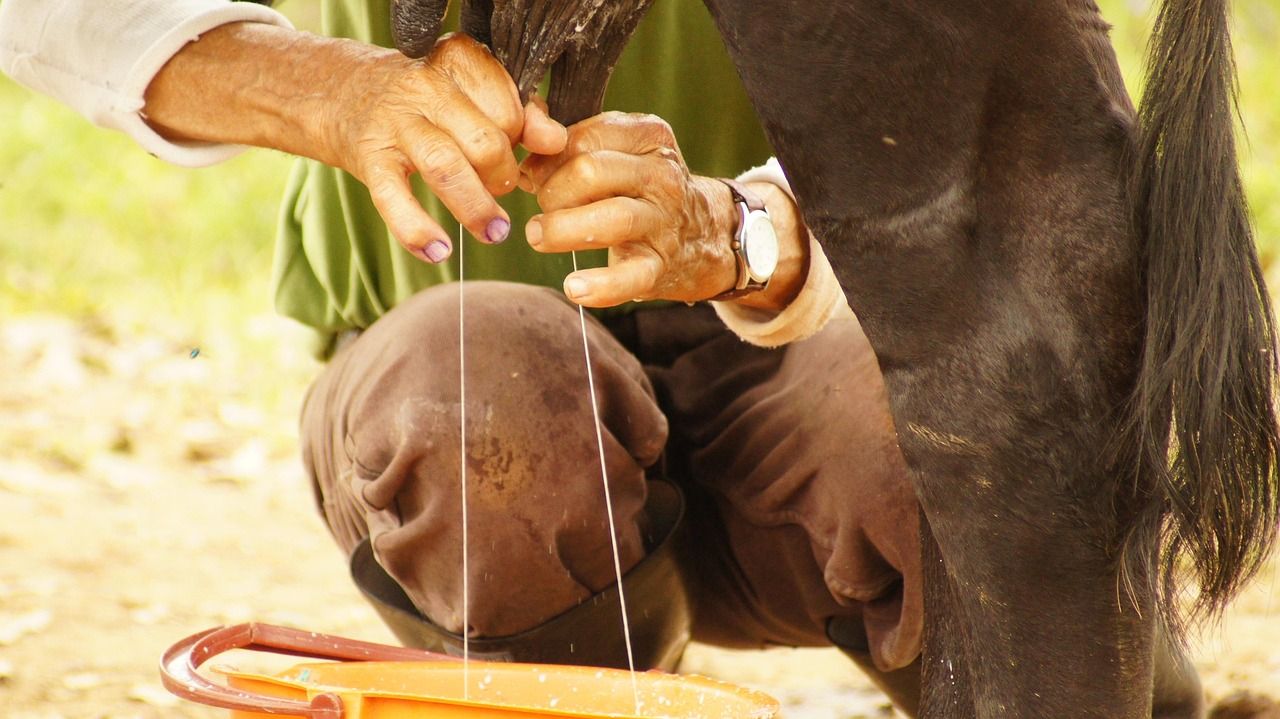
Representative image: TRAPHITHO / Pixabay
BAHS 2026, released in Patna on 26 November, puts India's 2025-26 milk output at 253.81 million tonnes, up about 2.4%, as dairy co-ops get grading rules.
BAHS 2026: what happened
India produced 253.81 million tonnes of milk in 2025-26, up from 247.87 million tonnes the year before, according to Basic Animal Husbandry Statistics (BAHS) 2026, released on Thursday, 26 November 2026, at the National Milk Day event of the Department of Animal Husbandry and Dairying at Bapu Sabhagar in Patna, Bihar. The same event launched standard operating procedures (SOPs) and an online portal for rating and grading dairy cooperatives, and a Climate-Resilient Roadmap for India's Livestock and Dairy Sector towards Viksit Bharat @2047, the department's release said.
BAHS 2026: key facts
- Milk output in 2025-26: 253.81 million tonnes, against 247.87 million tonnes in 2024-25, according to BAHS 2026.
- Per capita milk availability rose to 492 grams a day, from 485 grams a year earlier.
- Punjab had the highest availability at 1,327 grams a day, followed by Rajasthan (1,239 grams) and Haryana (1,142 grams).
- Egg output is put at 156.88 billion and meat output at 10.63 million tonnes, of which 5.13 million tonnes is poultry meat.
- The survey behind the figures ran from 1 March 2025 to 28 February 2026.
- Bihar Chief Minister Samrat Choudhary set a target of 1 crore litres of milk a day by 2030; he said the state now produces about 48 lakh litres a day.
- A milk processing plant of Namaste India at Bihta, Patna, with a capacity of two lakh litres a day, was among the projects dedicated at the event.
BAHS 2026: why it matters
Milk is India's largest farm product by value and a daily cash income for millions of small and landless households, many of whom sell through village dairy cooperatives. The annual BAHS is the official count of how much the country's cattle, buffaloes, goats and poultry produce, and it is the base on which the Centre and states plan feed, breeding, veterinary and cooperative schemes. This year's edition was compiled from the e-Livestock Integrated Sample Survey, which collects data through the year rather than in a single round.
The headline number rose, but the pace has softened. Growth of about 2.4% in 2025-26 is the lowest in five years, down from about 3.6% in 2024-25. Per capita availability still improved, and India remains the world's largest milk producer, but a slower rise in output matters for dairy prices, for the income of cooperative members, and for plans to export more dairy products.
The new rating and grading SOPs are aimed squarely at the cooperative layer of the dairy chain. The department said they are meant to strengthen institutional capacity, promote transparency and improve the performance of dairy cooperatives and producer organisations; an online portal will handle the process. For a farmer who pours milk at a village society every morning, a graded society is likely to face clearer standards on accounts, testing and payments, although the department has not yet published the grading criteria in the release.
Bihar was the host state, and its plans show the gap that many eastern states are trying to close. The Chief Minister's target of 1 crore litres a day by 2030 sits alongside new milk collection and data processing units for village societies, mineral mixture plants at Patna and Muzaffarpur, and an effluent treatment plant at the Mithila Milk Union in Samastipur.
Peepals calculation: Milk output grew about 2.4% in 2025-26 ((253.81 − 247.87) ÷ 247.87 = 5.94 ÷ 247.87 ≈ 0.024), while per capita availability grew about 1.4% (7 ÷ 485 ≈ 0.014); Bihar's target means roughly doubling daily output in about four years (100 lakh ÷ 48 lakh ≈ 2.08). Our calculation from the reported figures.
| Measure | 2024-25 | 2025-26 |
|---|---|---|
| Milk output | 247.87 million tonnes | 253.81 million tonnes |
| Per capita milk availability | 485 grams a day | 492 grams a day |
| Egg output | not compared here | 156.88 billion |
| Meat output | not compared here | 10.63 million tonnes |
BAHS 2026: impact
Short-term: Dairy cooperatives and producer organisations will be the first to deal with the new rating and grading process once the portal is in use. States will also use the BAHS state tables to review their own schemes.
Long-term: If growth stays near 2.4% a year, the gap between output and the rising demand for milk, paneer, ghee and curd will need to be met through better breeds, feed and veterinary care rather than more animals. The climate-resilient roadmap is the Centre's framework for keeping livestock productive as heat stress rises.
Who is affected: Dairy farmers and their village cooperatives, state milk federations such as Bihar's, private processors, and households that buy packaged milk.
What to watch next: Bihar's progress towards its 1 crore litres a day target by 2030, and the opening of the online portal for grading dairy cooperatives.
BAHS 2026: key takeaway
Dairy farmers who sell through cooperatives should watch for the new grading rules, because the official data now show output still rising but more slowly than in earlier years.
BAHS 2026: questions and answers
What is Basic Animal Husbandry Statistics 2026?
It is the Department of Animal Husbandry and Dairying's yearly report on livestock output, covering milk, eggs, meat and wool, with state-wise estimates and per capita availability. The 2026 edition was released in Patna on 26 November 2026, National Milk Day.
Which state has the most milk per person?
Punjab, at 1,327 grams per person per day in 2025-26, followed by Rajasthan at 1,239 grams and Haryana at 1,142 grams, against a national figure of 492 grams.
What are the new SOPs for dairy cooperatives?
They are standard procedures for rating and grading dairy cooperatives and producer organisations, run through a new online portal. The department says the aim is better institutional capacity, transparency and performance.
Why is National Milk Day on 26 November?
It marks the birth anniversary of Dr Verghese Kurien, regarded as the father of India's White Revolution, which built the country's cooperative dairy network.
Disclaimer: Prepared by the Peepals newsroom from publicly available sources with AI assistance. Information is accurate to the best of our knowledge at the time of publication and may change. Images may be representative. Not professional advice. Report an error via our contact page.
By Arjun Mehta, Staff WriterCovers Start-ups & Opportunities and more for Peepals Business. All stories by Arjun Mehta
Mahanadi Coalfields share price lists at Rs 134, 1.47% below IPO price
Pine Labs AI agents: Guide, Marketer Agent reach small merchants' app
Your week ahead, every Sunday. Free.
Exam and result dates, IPOs opening, scheme deadlines, government holidays and the RBI decision for the next 7 days, plus the week's top stories. One email a week, unsubscribe in one click.
Arjun Mehta is a pen name of the Peepals Global Editorial Team, which researches, fact-checks and publishes every story. The portrait is an illustration.
Responsible for this story: the Peepals Global Editorial Team. How we report