
Haveri sugarcane price: farmers end siege after Rs 3,225 a tonne deal
 By Neha KapoorStaff Writer, Peepals Business
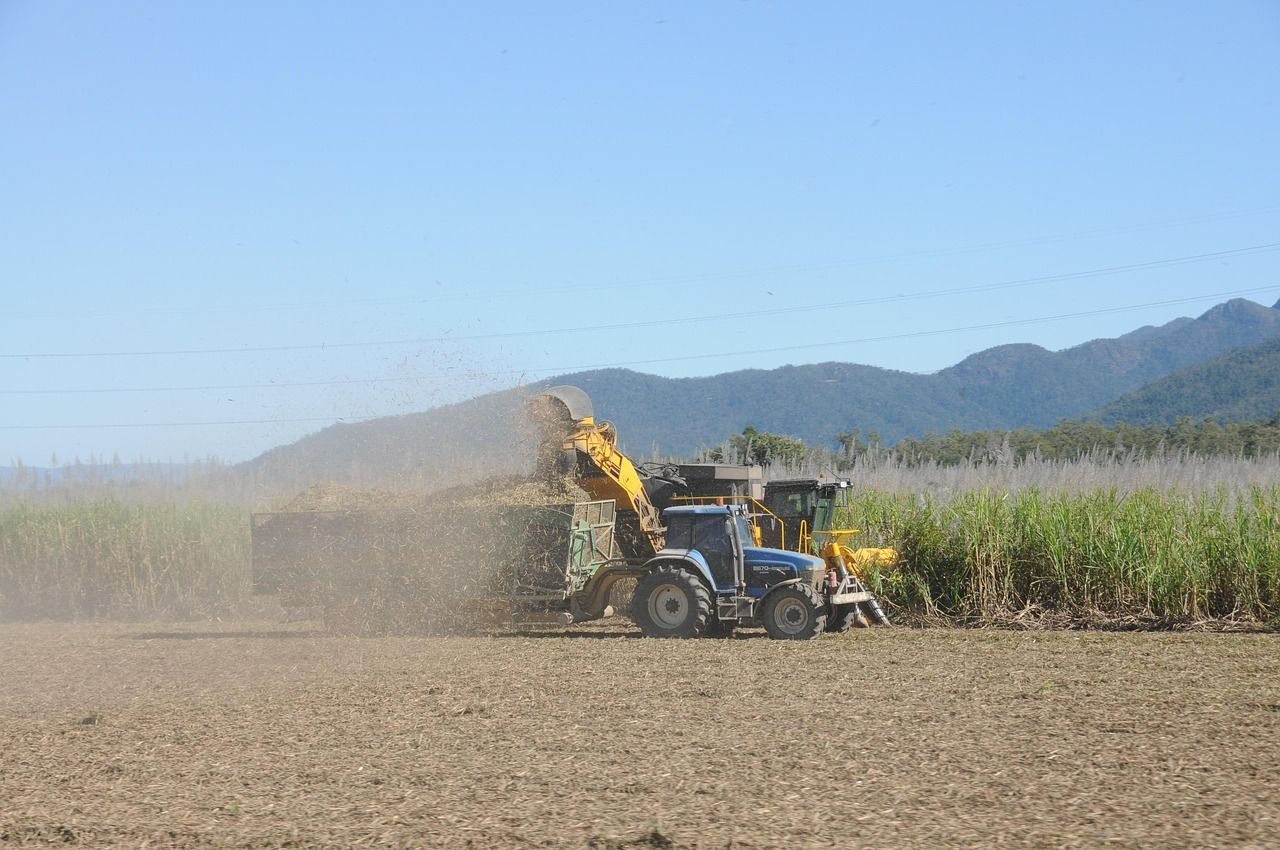
Representative image: KathyB-Photos / Pixabay
Haveri cane growers ended their siege of the DC office on 24 November 2026 after mills agreed to Rs 3,225 a tonne, a rate farmers accepted only for now.
Haveri sugarcane price: what happened
Sugarcane growers in Karnataka's Haveri district ended their siege of the Deputy Commissioner's office in the early hours of Tuesday, 24 November 2026, after sugar factory owners agreed to pay Rs 3,225 a tonne for cane this crushing season. The deal came out of a 14-hour meeting chaired by Sugar Minister Rudrappa Lamani that began at noon on Monday and ran until about 2 am. Farmers' leaders described the rate as acceptable only for now and said they would press for more in further talks.
Haveri sugarcane price: key facts
- Agreed price: Rs 3,225 per tonne of sugarcane for Haveri district.
- Farmers' demand: Rs 3,600 per tonne, which they said should match the rate paid in neighbouring Belagavi district.
- Factory owners' earlier stand: three factory owners had insisted that Rs 3,100 per tonne was their final offer before the marathon meeting.
- Protest: on Monday, 23 November, hundreds of growers entered the DC office premises, shut both gates and blocked approach roads with stones, logs and thorn barricades after earlier talks failed.
- Mediator: Sugar Minister Rudrappa Lamani, who urged farmers to accept Rs 3,225 and said he would persuade owners on the rest.
- Next step: farmers plan another round of talks with the minister before the legislature's winter session.
Haveri sugarcane price: why it matters
In Karnataka, the price a farmer gets for cane is set in two layers. The Centre fixes a minimum called the fair and remunerative price (FRP), which mills must pay. On top of that, growers in many districts bargain with local mills each season for a higher rate, often citing what mills in other districts pay. Haveri's dispute was over that second layer. Farmers pointed to neighbouring Belagavi district, where they said mills pay around Rs 3,600 a tonne.
The timing matters because the crushing season, when mills buy and process cane, has begun. A long standoff would have left cut cane in the fields, where it dries and loses weight and sugar content, and mills idle. That is why both sides had a reason to settle, even on a rate neither wanted.
The deal is also part of a wider pattern this season. Cane growers in several states, including Haryana, have protested over prices, with farmer unions there arguing that state rates have not kept up with rising production costs. For Haveri, the settlement means harvesting and supply to mills can now proceed, but the word "temporary" used by farmers' leaders signals the issue is not closed.
Peepals calculation: Rs 3,225 a tonne is Rs 375 below the farmers' demand of Rs 3,600, or about 10.4% less (375 ÷ 3,600), and Rs 125 above the owners' earlier final offer of Rs 3,100, or about 4.0% more (125 ÷ 3,100). In per-quintal terms, the farmer's rate is Rs 322.50 (3,225 ÷ 10). On a load of 100 tonnes, the gap between demand and deal is Rs 37,500. Our calculation from the reported figures.
| Position | Rate per tonne |
|---|---|
| Farmers' demand (Belagavi parity) | Rs 3,600 |
| Agreed on 24 November | Rs 3,225 |
| Owners' earlier final offer | Rs 3,100 |
Haveri sugarcane price: impact
Short-term: Cane supply to Haveri's mills can resume and harvesting can speed up, reducing the risk of cut cane drying in the fields. Traffic and offices around the DC's complex return to normal.
Long-term: The gap with Belagavi remains a sore point. If farmers win a higher rate in later talks, mills' costs rise; if not, growers may shift land to other crops or sell cane to mills in other districts where allowed.
Who is affected: Sugarcane growers in Haveri district, the sugar factories that buy their cane, harvest workers and transporters, and the district administration that had to manage the siege.
What to watch next: The further round of talks with the Sugar Minister that farmers plan before the winter session of the Karnataka legislature.
Haveri sugarcane price: key takeaway
Haveri's growers should keep records of cane supplied and payments received at Rs 3,225 a tonne, since any higher rate won in later talks will matter for how much they are owed for this season.
Haveri sugarcane price: questions and answers
What is the sugarcane price agreed in Haveri for this season?
Sugar factory owners in Haveri agreed to pay Rs 3,225 per tonne of cane, which works out to Rs 322.50 per quintal. Farmers accepted it as a temporary settlement.
Why did farmers ask for Rs 3,600 a tonne?
They argued that Haveri's growers should receive the same rate as farmers in neighbouring Belagavi district, which they put at about Rs 3,600 a tonne.
Who brokered the agreement?
Karnataka's Sugar Minister, Rudrappa Lamani, chaired the meeting between farmers and factory owners, which lasted about 14 hours from noon on Monday until around 2 am on Tuesday.
Is the dispute over?
Not fully. Farmers called off the siege but said they would hold more talks with the minister before the legislature's winter session to seek a better rate.
Disclaimer: Prepared by the Peepals newsroom from publicly available sources with AI assistance. Information is accurate to the best of our knowledge at the time of publication and may change. Images may be representative. Not professional advice. Report an error via our contact page.
By Neha Kapoor, Staff WriterCovers Economy and more for Peepals Business. All stories by Neha Kapoor
Bloom hotels raise $75 million led by Kedaara Capital, target 12,000 rooms
Insmed shares jump 14% as Sanofi agrees $41 billion cash takeover
Your week ahead, every Sunday. Free.
Exam and result dates, IPOs opening, scheme deadlines, government holidays and the RBI decision for the next 7 days, plus the week's top stories. One email a week, unsubscribe in one click.
Neha Kapoor is a pen name of the Peepals Global Editorial Team, which researches, fact-checks and publishes every story. The portrait is an illustration.
Responsible for this story: the Peepals Global Editorial Team. How we report