
Madhya Pradesh millet exports cross Rs 550 crore as tribal kodo, kutki gain
 By Arjun MehtaStaff Writer, Peepals Business
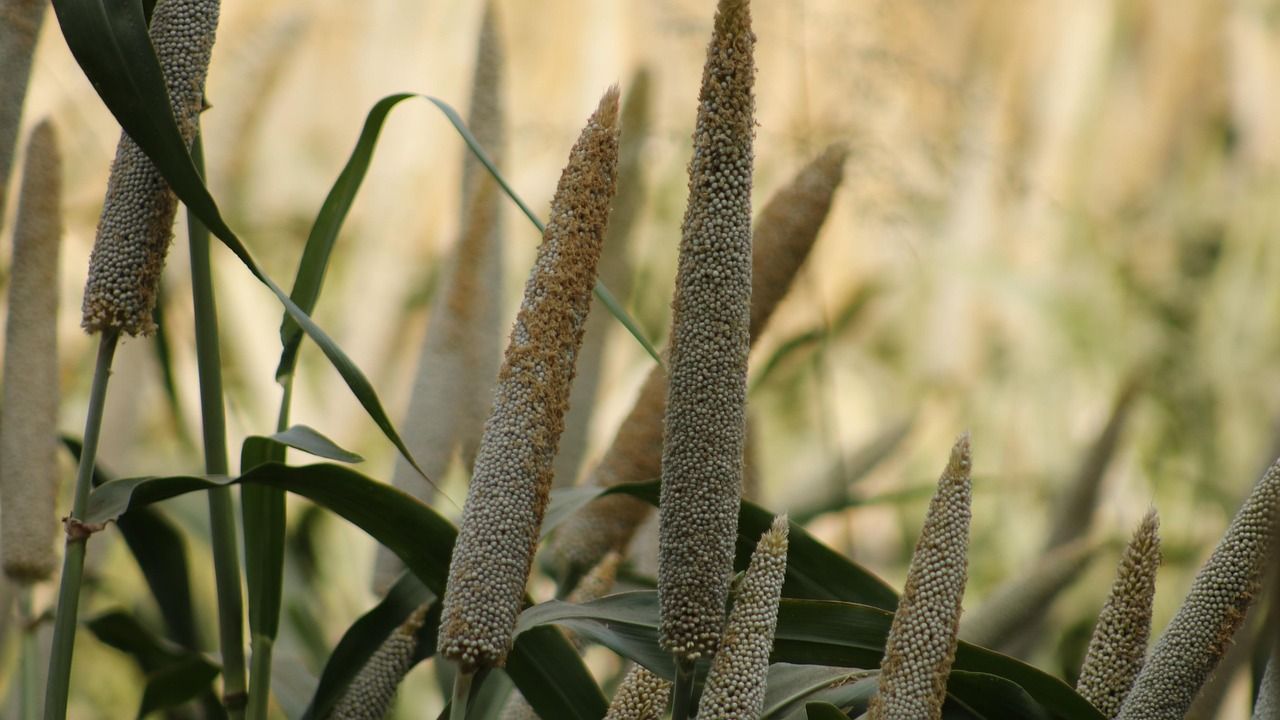
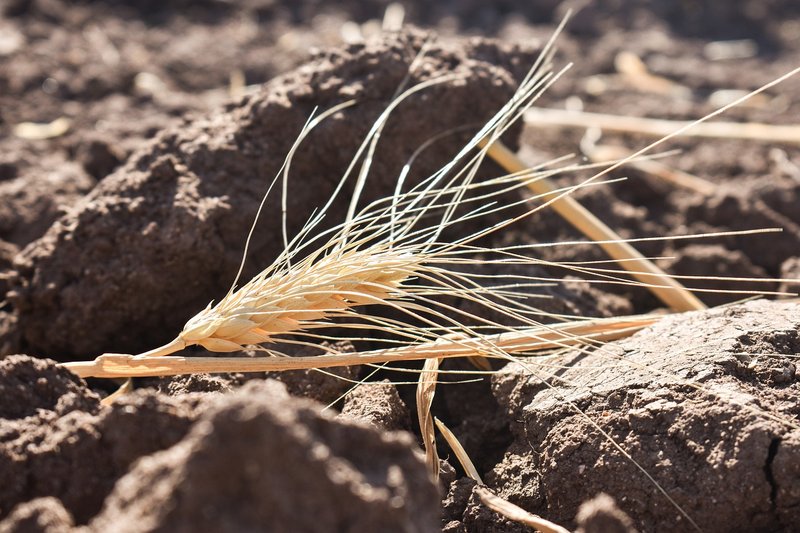
Representative image: RamanTalpada / Pixabay
Madhya Pradesh said on 25 November 2026 its kodo, kutki and sama millet exports crossed Rs 550 crore in three years, led by tribal farmers.
Millet Exports: what happened
Madhya Pradesh's exports of millets such as kodo, kutki and sama have crossed Rs 550 crore over three years, the state government said on Wednesday, 25 November 2026, crediting natural farming by tribal farmers and rising demand abroad. By the government's figures, exports of these grains were worth Rs 183 crore in 2024-25 and Rs 224.32 crore in 2025-26, and Rs 142.55 crore has been recorded so far in 2026. The state said it is preparing an action plan to conserve indigenous millet varieties and expand their cultivation across tribal-majority districts.
Millet Exports: key facts
- Claim: millet exports from Madhya Pradesh above Rs 550 crore over three years, announced 25 November 2026.
- 2024-25: Rs 183 crore; 2025-26: Rs 224.32 crore; 2026 so far: Rs 142.55 crore (kodo, kutki and sama).
- Two kutki varieties from Dindori district, Sitahi Kutki and Nagdaman Kutki, have Geographical Indication (GI) tags.
- Under the Rani Durgavati Shri Anna Protsahan Yojana, the state is buying kodo and kutki from farmers for the first time in 16 districts, including Mandla, Dindori, Balaghat, Chhindwara, Shahdol, Umaria and Singrauli.
- Farmers get an extra incentive of Rs 1,000 per quintal on kodo and kutki sold under the scheme.
- More than 15,000 millet farmers, cultivating about 21,000 hectares, have registered under the scheme.
- Procurement is handled by the Shri Anna Federation, the state body set up for millets.
Millet Exports: why it matters
Kodo and kutki are small, hardy grains grown largely in the tribal districts of eastern Madhya Pradesh. The national push for millets, branded "Shri Anna", aims to create demand for such grains among buyers at home and abroad.
The export figures suggest that demand is now reaching growers. The jump from Rs 183 crore to Rs 224.32 crore in a year shows overseas buyers paying for grains that once had a thin local market. GI tags for Sitahi Kutki and Nagdaman Kutki add a premium by tying the grain's name to its place of origin.
Government procurement matters just as much. Procurement in these districts is happening for the first time. A state buyer with a fixed incentive of Rs 1,000 a quintal gives a floor below which prices are less likely to fall, and encourages more farmers to keep growing millets. The registration of over 15,000 farmers in the first round shows the scale of interest.
There are limits to keep in mind. The export numbers are the state government's own figures, and the 2026 total is for part of the year. The real test is whether higher export prices and procurement reach individual farm families in districts such as Dindori and Mandla, not only traders and processors.
Peepals calculation: the three yearly figures add up to Rs 549.87 crore (183 + 224.32 + 142.55), which the state rounds to Rs 550 crore. Exports rose by about 22.6% between 2024-25 and 2025-26 (224.32 ÷ 183 ≈ 1.226). With 15,000 farmers on about 21,000 hectares, the average registered farmer grows millets on about 1.4 hectares (21,000 ÷ 15,000). Our calculation from the reported figures.
| Period | Millet exports (kodo, kutki, sama) |
|---|---|
| 2024-25 | Rs 183 crore |
| 2025-26 | Rs 224.32 crore |
| 2026 (so far) | Rs 142.55 crore |
| Total | About Rs 550 crore |
Millet Exports: impact
Short-term: Registered farmers in the 16 districts can sell kodo and kutki to the state with the Rs 1,000 per quintal incentive, giving them a more assured market for this season's crop.
Long-term: If exports keep growing and the conservation plan protects local varieties, millets could become a steady cash crop for tribal districts rather than a subsistence grain.
Who is affected: Tribal and small farmers in eastern Madhya Pradesh, millet processors and exporters, the Shri Anna Federation, and buyers of millet products in India and abroad.
What to watch next: The state's action plan to conserve indigenous millet varieties and expand cultivation in tribal districts.
Millet Exports: key takeaway
Millet farmers in the 16 districts should check with the Shri Anna Federation on selling under the scheme's Rs 1,000 per quintal incentive, and watch whether export demand keeps rising.
Millet Exports: questions and answers
How much millet does Madhya Pradesh export?
The state government says exports of kodo, kutki and sama have crossed Rs 550 crore over three years, including Rs 224.32 crore in 2025-26.
What is the Rani Durgavati Shri Anna Protsahan Yojana?
It is the Madhya Pradesh scheme under which the state buys kodo and kutki from farmers for the first time in 16 districts and pays an extra Rs 1,000 per quintal.
Which millets from Madhya Pradesh have GI tags?
Sitahi Kutki and Nagdaman Kutki from Dindori district.
How many farmers have joined the scheme?
More than 15,000 farmers growing millets on about 21,000 hectares have registered.
Disclaimer: Prepared by the Peepals newsroom from publicly available sources with AI assistance. Information is accurate to the best of our knowledge at the time of publication and may change. Images may be representative. Not professional advice. Report an error via our contact page.
By Arjun Mehta, Staff WriterCovers Start-ups & Opportunities and more for Peepals Business. All stories by Arjun Mehta
Your week ahead, every Sunday. Free.
Exam and result dates, IPOs opening, scheme deadlines, government holidays and the RBI decision for the next 7 days, plus the week's top stories. One email a week, unsubscribe in one click.
Arjun Mehta is a pen name of the Peepals Global Editorial Team, which researches, fact-checks and publishes every story. The portrait is an illustration.
Responsible for this story: the Peepals Global Editorial Team. How we report