
Chhattisgarh paddy bonus now paid per acre: Rs 13,839, not per quintal sold
 By Neha KapoorStaff Writer, Peepals Business
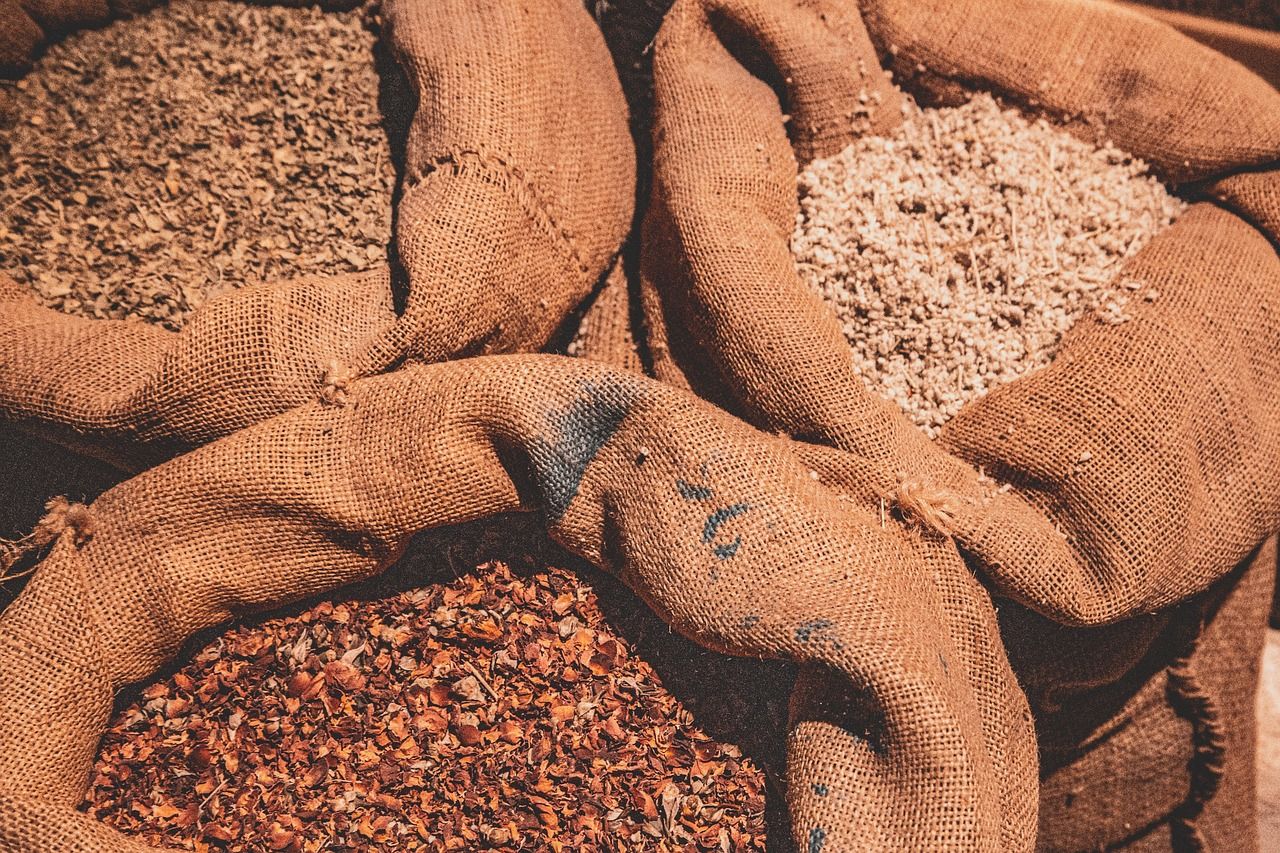
Representative image: analogicus / Pixabay
Chhattisgarh's paddy buying began on 15 November 2026 with its Rs 13,839-an-acre input assistance now tied to registered area, not to the quantity sold.
Chhattisgarh paddy procurement: what happened
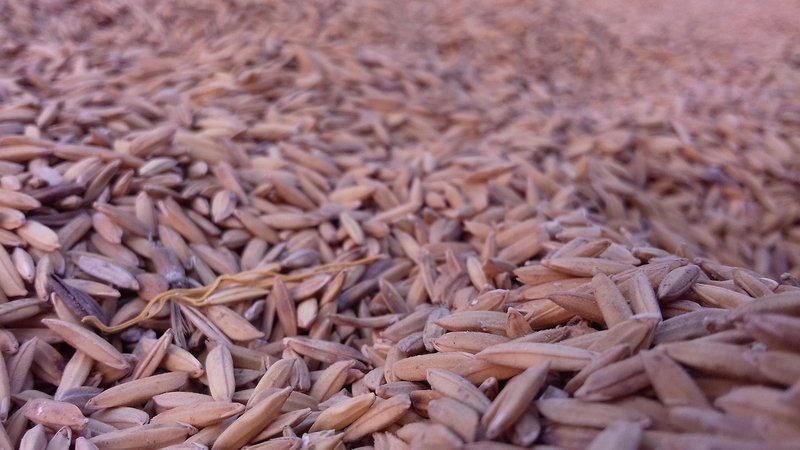
Chhattisgarh began buying paddy for the 2026-27 kharif marketing season on Sunday, 15 November 2026, at 3,100 procurement centres, with a change in how its extra payment to farmers works. Under the state's Krishak Unnati Yojana, the input assistance on top of the Centre's minimum support price (MSP) is now linked to the farmer's registered paddy area, at Rs 13,839 an acre, instead of the exact quantity sold. Farmers who sell less than the per-acre limit of 21 quintals will still receive the assistance for their full eligible quota. The state government says about 27.50 lakh farmers stand to benefit.
Chhattisgarh paddy procurement: key facts
- Procurement start: Sunday, 15 November 2026, at 3,100 centres across the state.
- Price: MSP of Rs 2,441 a quintal for common paddy and Rs 2,461 for Grade A; with the state's input assistance, farmers get a total of Rs 3,100 a quintal, the state says.
- Purchase limit: up to 21 quintals per acre.
- Input assistance: a uniform Rs 13,839 an acre, worked out on the full 21 quintals per acre.
- New rule: the assistance is now paid on registered paddy area, so a farmer who sells less than 21 quintals an acre still receives it for the remaining eligible quantity.
- Tokens: more than 3.5 lakh tokens (3,50,972) for selling slots had been issued before buying began.
- A critique published on 20 November argued that the change could encourage paddy smuggling, since the full payment no longer depends on what a farmer actually sells.
Chhattisgarh paddy procurement: why it matters
Chhattisgarh pays its paddy farmers well above the national MSP, and the money involved is large for the state budget and for rural incomes. Until this season, the state's extra payment was tied to the quantity a farmer sold at a government centre. That gave farmers a reason to sell as close to the 21-quintal limit as possible. The state has said its new procurement policy is meant to curb alleged black marketing of paddy.
Linking the assistance to registered area changes that incentive. A farmer whose yield was low because of weather or pests no longer loses part of the state's support, which the government presents as relief. Critics see the opposite risk: once the payment is fixed per acre, the value of each quintal actually sold goes up for farmers who sell less, and the land records behind registration become the main thing to manipulate. Both sides agree the system now depends heavily on accurate land and crop registration.
For the rural economy, the payments matter beyond farming: with about 27.50 lakh farmers in the scheme, the size and timing of these payments shape household incomes across the state's villages in the winter months.
Peepals calculation: The state's top-up is Rs 659 a quintal (Rs 3,100 − Rs 2,441), about 27% above the common-paddy MSP (659 ÷ 2,441). Multiplied by the 21-quintal limit, that gives exactly the Rs 13,839 an acre the state has fixed (21 × 659). A farmer who sells only 10 quintals from an acre now receives the full Rs 13,839, which works out to about Rs 1,384 a quintal of top-up on what was sold, so about Rs 3,825 a quintal in total with MSP (2,441 + 1,384). Our calculation from the reported figures.
| Item | Amount |
|---|---|
| MSP, common paddy | Rs 2,441 a quintal |
| MSP, Grade A paddy | Rs 2,461 a quintal |
| State total price | Rs 3,100 a quintal |
| Purchase limit | 21 quintals an acre |
| Input assistance | Rs 13,839 an acre |
Chhattisgarh paddy procurement: impact
Short-term: Farmers with poor yields this season get the same per-acre support as others, and arrivals at centres may be less rushed to hit the 21-quintal mark.
Long-term: If registration is accurate, the change could cut the incentive to bring in outside paddy. If it is not, the per-acre payment could be claimed on inflated acreage, which would raise costs for the state.
Who is affected: About 27.50 lakh paddy farmers in Chhattisgarh, cooperative societies running the centres, rice millers, and the state treasury.
Chhattisgarh paddy procurement: key takeaway
For Chhattisgarh's paddy farmers, accurate registration of land under paddy now decides the Rs 13,839-an-acre assistance more than the quantity sold, so check that records are correct.
Chhattisgarh paddy procurement: questions and answers
What is the Chhattisgarh paddy procurement price for 2026-27?
The state says farmers get Rs 3,100 a quintal in total: the MSP of Rs 2,441 for common paddy plus input assistance under the Krishak Unnati Yojana, with buying limited to 21 quintals an acre.
What changed in the Krishak Unnati Yojana this season?
The assistance of Rs 13,839 an acre is now linked to the farmer's registered paddy area. A farmer who sells less than 21 quintals an acre still gets assistance for the full eligible quota.
When did buying start and how many centres are there?
Procurement started on 15 November 2026 at 3,100 centres in Chhattisgarh.
Why are some people worried about the change?
A critique published on 20 November argued that paying the full amount per acre, regardless of what is sold, could encourage misuse such as smuggling paddy or inflating registered acreage.
Disclaimer: Prepared by the Peepals newsroom from publicly available sources with AI assistance. Information is accurate to the best of our knowledge at the time of publication and may change. Images may be representative. Not professional advice. Report an error via our contact page.
By Neha Kapoor, Staff WriterCovers Economy and more for Peepals Business. All stories by Neha Kapoor
Sandisk share price: 8-for-1 split, then a 14% first-day fall
New GDP, CPI, IIP series: MoSPI meets data users in Mumbai on November 23
Your week ahead, every Sunday. Free.
Exam and result dates, IPOs opening, scheme deadlines, government holidays and the RBI decision for the next 7 days, plus the week's top stories. One email a week, unsubscribe in one click.
Neha Kapoor is a pen name of the Peepals Global Editorial Team, which researches, fact-checks and publishes every story. The portrait is an illustration.
Responsible for this story: the Peepals Global Editorial Team, led by editor Prashant Sonar. How we report