
Wheat sowing down 15% by November 13 as gram falls 22%, reservoirs low
 By Arjun MehtaStaff Writer, Peepals Business
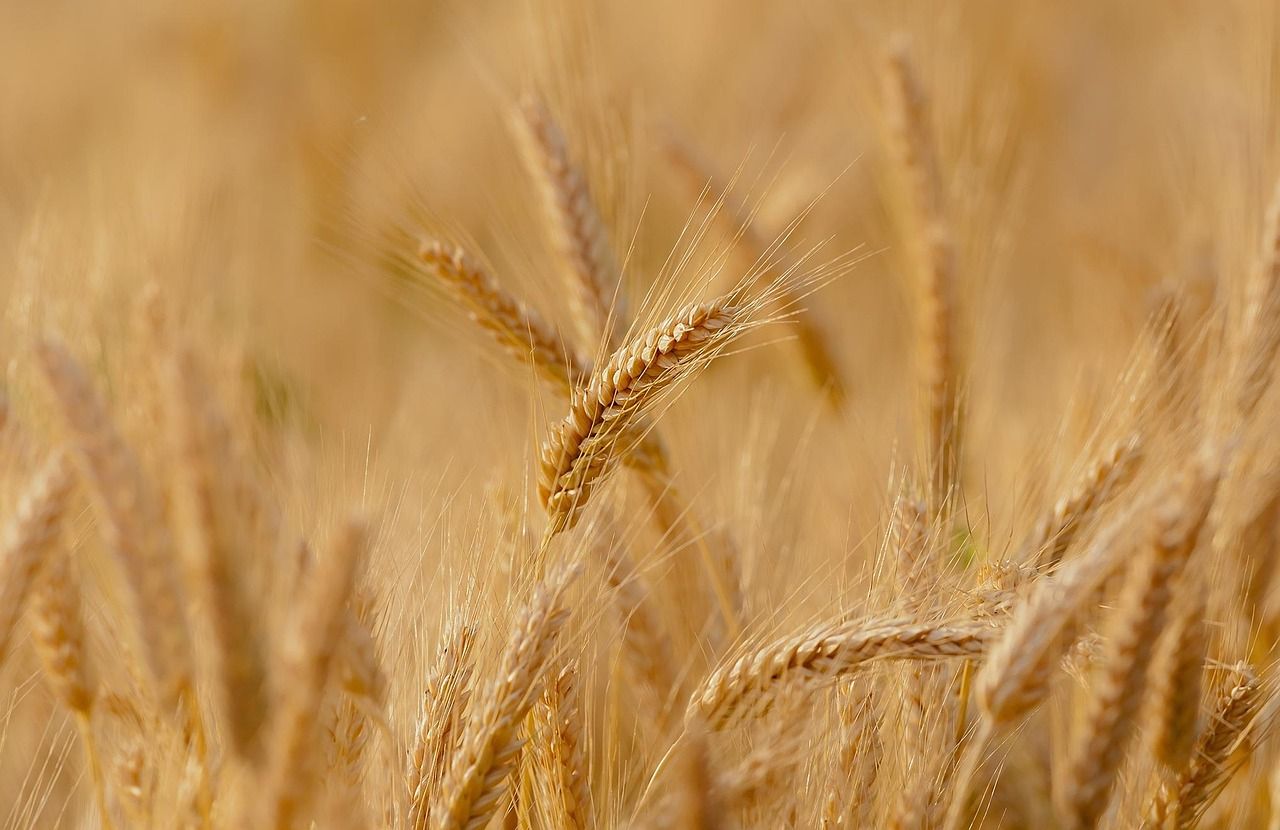
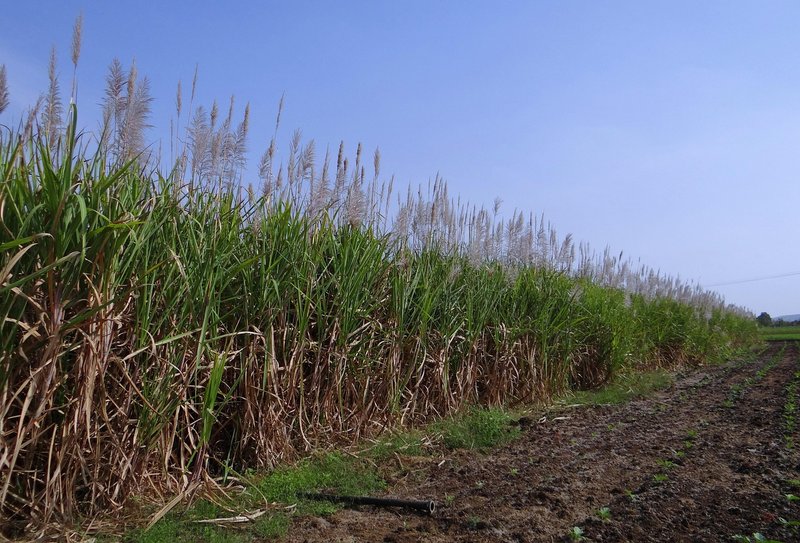
Representative image: Candiix / Pixabay
Wheat had been sown on 50.07 lakh hectares by 13 November 2026, 15.3% less than a year ago, as gram fell 22% and total rabi area trailed by 11.3%.
Wheat Sowing 2026: what happened
Farmers had sown wheat on 50.07 lakh hectares by 13 November 2026, 15.3% less than the 59.10 lakh hectares covered by the same point last year, according to the latest crop-sowing figures from the Ministry of Agriculture and Farmers Welfare. The total area under rabi (winter) crops stood at 178.25 lakh hectares against 201.04 lakh hectares a year earlier, a gap of 22.79 lakh hectares, or 11.34%. Pulses, led by gram, and mustard are also behind, as a weak monsoon has left reservoirs and soil moisture short.
Wheat Sowing 2026: key facts
- Total rabi area to 13 November 2026: 178.25 lakh hectares, against 201.04 lakh hectares a year earlier (down 11.34%).
- Wheat: 50.07 lakh hectares, against 59.10 lakh hectares (down 15.27%).
- Pulses: 47 lakh hectares, against 54.87 lakh hectares (down 14.34%).
- Gram (chana): 31.13 lakh hectares, against 39.70 lakh hectares (down 21.59%).
- Rapeseed and mustard: 59.31 lakh hectares, against 64.78 lakh hectares (down 8.45%).
- Water: live storage in 178 major reservoirs was 163.055 billion cubic metres (BCM) on 12 November, against a designed capacity of 257.812 BCM, according to Central Water Commission data.
- Earlier this season: on 30 October, the total rabi area had trailed last year by about 46%.
Wheat Sowing 2026: why it matters
Rabi crops are sown from October to December and harvested in spring. Wheat is the biggest of them, gram is a leading winter pulse, and rapeseed and mustard are the most important winter oilseeds. A slow start in all three matters for farm incomes in the north and centre of the country, and later for food prices.
The gap is narrowing. At the end of October the rabi area was about 46% behind last year; by 13 November the shortfall had come down to about 11%. Wheat sowing continues for several more weeks, so part of the lag may yet close. But the pattern is uneven: gram is down the most, at a time when the monsoon was deficient and reservoir storage is low.
For rural businesses, the numbers point to where demand may be softer this season. Seed, fertiliser and farm-machinery dealers in rain-fed districts, and traders in gram and mustard, are the most exposed. For consumers, a smaller pulses crop could keep pulse prices firm next year, although imports and government stocks also shape prices.
The reservoir figure is the key one to watch. Water stored in major reservoirs is what canal-irrigated wheat depends on in December and January. If storage stays well below capacity, farmers may sow less or choose crops that need less water.
Peepals calculation: live storage of 163.055 BCM is about 63% of the designed capacity of 257.812 BCM (163.055 ÷ 257.812 ≈ 0.632). Gram's shortfall of 8.57 lakh hectares (39.70 − 31.13) makes up more than a third of the entire 22.79 lakh-hectare rabi gap (8.57 ÷ 22.79 ≈ 0.38), and wheat's shortfall of 9.03 lakh hectares (59.10 − 50.07) makes up about 40% (9.03 ÷ 22.79 ≈ 0.40). Our calculation from the reported figures.
| Crop | Area to 13 Nov 2026 (lakh ha) | Same time 2025 (lakh ha) | Change |
|---|---|---|---|
| Wheat | 50.07 | 59.10 | -15.27% |
| Gram | 31.13 | 39.70 | -21.59% |
| All pulses | 47.00 | 54.87 | -14.34% |
| Rapeseed and mustard | 59.31 | 64.78 | -8.45% |
| All rabi crops | 178.25 | 201.04 | -11.34% |
Wheat Sowing 2026: impact
Short-term: Late sowing in rain-fed areas, especially of gram, means lower demand for some farm inputs this month and a risk of lower yields where sowing is delayed.
Long-term: If the wheat and pulses gap does not close by December, the 2027 harvest could be smaller, with knock-on effects for procurement, food prices and rural incomes.
Who is affected: Wheat, gram and mustard farmers in rain-fed regions; agri-input dealers and cooperatives; grain and pulse traders; and households that spend a large share of income on food.
What to watch next: The agriculture ministry's next weekly sowing update and Central Water Commission reservoir data, which will show whether the rabi gap keeps narrowing.
Wheat Sowing 2026: key takeaway
Watch whether wheat sowing catches up in the coming weeks and how gram acreage ends, since those two crops account for most of this season's shortfall.
Wheat Sowing 2026: questions and answers
How much wheat has been sown in 2026 so far?
Wheat had been sown on 50.07 lakh hectares by 13 November 2026, 15.27% less than the 59.10 lakh hectares a year earlier.
Why is rabi sowing lower this year?
Reports link the lag to a deficient monsoon and low reservoir levels, which have reduced the water and soil moisture available for sowing.
Which rabi crop has fallen the most?
Gram has fallen the most, to 31.13 lakh hectares from 39.70 lakh hectares, a drop of 21.59%.
Can wheat sowing still recover?
Partly, possibly. Wheat sowing continues for several more weeks, and the overall rabi gap has already narrowed from about 46% at the end of October to about 11%.
Disclaimer: Prepared by the Peepals newsroom from publicly available sources with AI assistance. Information is accurate to the best of our knowledge at the time of publication and may change. Images may be representative. Not professional advice. Report an error via our contact page.
By Arjun Mehta, Staff WriterCovers Start-ups & Opportunities and more for Peepals Business. All stories by Arjun Mehta
PLFS October 2026: unemployment falls to 4.9%, women's participation 35%
Apple outage: internal update took down iCloud, App Store; not a cyberattack
Your week ahead, every Sunday. Free.
Exam and result dates, IPOs opening, scheme deadlines, government holidays and the RBI decision for the next 7 days, plus the week's top stories. One email a week, unsubscribe in one click.
Arjun Mehta is a pen name of the Peepals Global Editorial Team, which researches, fact-checks and publishes every story. The portrait is an illustration.
Responsible for this story: the Peepals Global Editorial Team, led by editor Prashant Sonar. How we report