
Punjab paddy cap: 180 lakh tonnes met, unsold crop piles up in Ludhiana
 By Rohit SharmaStaff Writer, Peepals Business
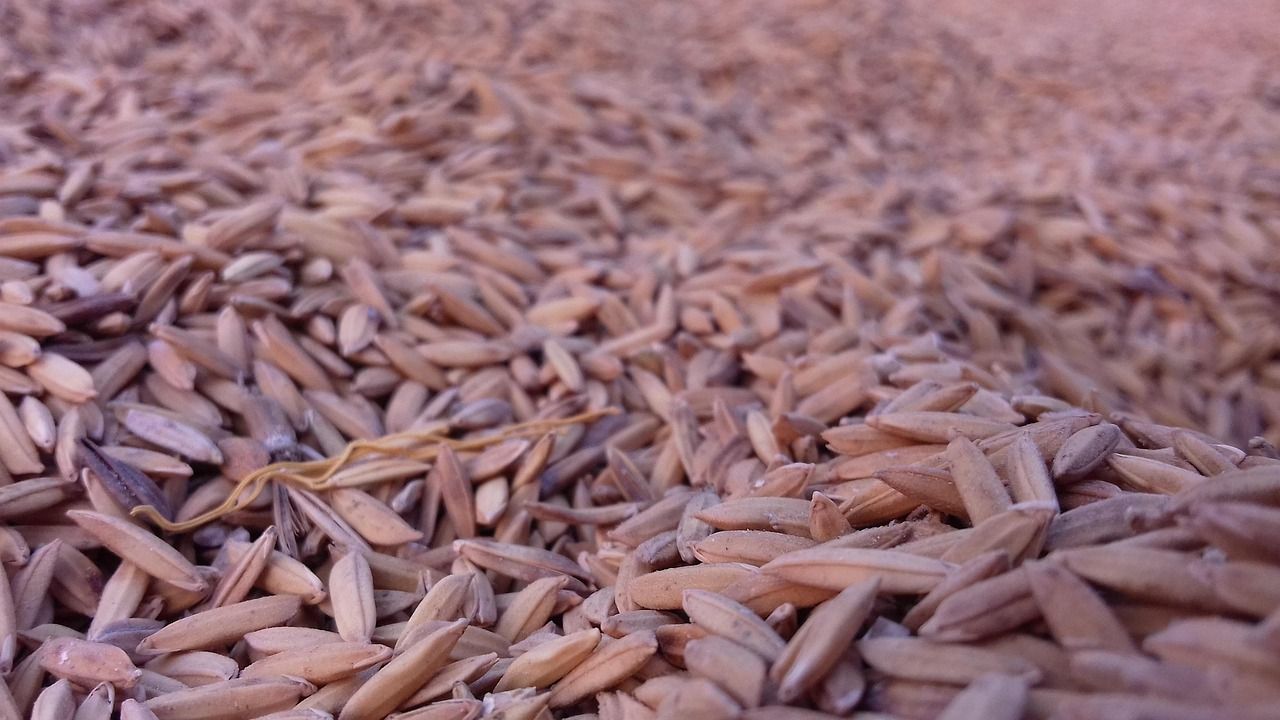
Representative image: kasimindia01 / Pixabay
Unsold paddy is piling up in Ludhiana's mandis as farmers' bodies say Punjab's 180 lakh tonne procurement target is met and seek the cap lifted.
What Happened
Unsold paddy is piling up in grain markets (mandis) across Punjab's Ludhiana district, and farmers' groups are demanding that the Centre lift a procurement ceiling of 180 lakh tonnes for the state, which they say has already been reached, according to reports on Sunday, 15 and Monday, 16 November 2026. Some procurement centres have closed after meeting their targets, leaving farmers waiting to sell the rest of their crop. Rice millers blame a lack of storage space and leftover stock from earlier seasons, while Mandi Board officials say buying continues and they are working to speed up lifting, the movement of purchased grain out of the markets.
Punjab paddy procurement: key facts
- Punjab's paddy procurement target for the 2026-27 season: 180 lakh tonnes, set by the Centre, according to farmers' bodies and earlier reports.
- Farmers' bodies say the target has been met and want the limit removed, and also want paddy with moisture of up to 22% to be bought.
- In Jalandhar district, about 11.58 lakh tonnes of paddy had been procured by 14 November.
- In Ludhiana, paddy is stacked unsold in several mandis, and some procurement centres have shut after reaching their targets.
- Millers point to limited storage and stocks pending from earlier seasons; nearly 17 lakh tonnes of wheat from the 2026-27 rabi marketing season were still in rice mills and mandi yards, according to a letter from Punjab Chief Minister Bhagwant Mann to the Union Food Minister.
- Punjab's estimated paddy production this season is around 190 lakh tonnes (about 19 million tonnes), according to an October report.
Punjab paddy procurement: why it matters
Most paddy in Punjab is sold to government agencies at the minimum support price (MSP), the guaranteed price the Centre sets for crops. When procurement stops or slows because a target has been reached or storage is full, farmers who have not yet sold are left with grain they cannot easily sell at the support price. Earlier this season, farmers in parts of Haryana also complained of paddy being bought below MSP, which shows how quickly prices can slip when government buying slows.
The problem is partly one of space. Purchased grain has to be moved to rice mills and warehouses before more can be bought. According to the Chief Minister's letter, wheat from the last season is still occupying mills and mandi yards, which squeezes room for paddy. Millers say the same: without storage, they cannot take more paddy.
The procurement ceiling is the second issue. Farmers' bodies say the Centre fixed Punjab's target at 180 lakh tonnes and that it has already been reached, so they want the cap lifted to cover the rest of the crop. They are also asking for a relaxation in moisture norms, since paddy with higher moisture is often rejected or bought at a cut. The Centre's response to these demands has not been reported.
For the farm economy, delays in selling slow the money reaching farmers, and with it the earnings of arhtiyas (commission agents), labourers and transporters in mandi towns.
Peepals calculation: If Punjab produces about 190 lakh tonnes and the procurement target is 180 lakh tonnes, roughly 10 lakh tonnes, about 5% of the crop, falls outside the government target (10 divided by 190 = 0.053). Jalandhar's 11.58 lakh tonnes by 14 November equals about 6.4% of the state target (11.58 divided by 180). The 17 lakh tonnes of old wheat still in mills is close to 9.4% of the paddy target in volume (17 divided by 180). Our calculation from the reported figures.
| Item | Figure |
|---|---|
| Punjab paddy procurement target, 2026-27 | 180 lakh tonnes |
| Estimated paddy production | About 190 lakh tonnes |
| Jalandhar procurement to 14 November | About 11.58 lakh tonnes |
| Old wheat still in mills and mandi yards | Nearly 17 lakh tonnes |
Impact
Short-term: Farmers with unsold paddy face waiting in mandis or selling to private buyers, possibly below MSP. Mandi officials are under pressure to speed up lifting before more grain arrives.
Long-term: The repeated squeeze on storage points to a need for more warehousing and faster movement of central pool stocks out of Punjab. If the cap is not lifted, more farmers may seek alternatives to selling paddy to the government.
Who is affected: Paddy farmers in Punjab who have not yet sold their crop; arhtiyas, labourers and transporters in mandi towns; rice millers short of storage; and state and central agencies responsible for procurement.
What to watch next: whether the Centre raises Punjab's 180 lakh tonne procurement target or relaxes moisture norms, as farmers' bodies have demanded.
Key Takeaway
With Punjab's 180 lakh tonne paddy target reportedly met and storage full of old wheat, unsold paddy is piling up in Ludhiana's mandis as farmers press the Centre to lift the cap.
Questions and Answers
Why is paddy piling up in Punjab's mandis?
Purchased grain is not being moved out fast enough because mills and storage are short of space, partly due to old wheat stocks, and some procurement centres have closed after meeting their targets.
What is Punjab's paddy procurement target for 2026-27?
The Centre has set a target of 180 lakh tonnes for Punjab, which farmers' bodies say has already been reached.
What are Punjab's farmers demanding?
Farmers' bodies want the 180 lakh tonne cap lifted so the rest of the crop can be bought, and want paddy with moisture of up to 22% to be accepted.
How much paddy has Jalandhar procured?
About 11.58 lakh tonnes of paddy had been procured in Jalandhar district by 14 November 2026.
Disclaimer: Prepared by the Peepals newsroom from publicly available sources with AI assistance. Information is accurate to the best of our knowledge at the time of publication and may change. Images may be representative. Not professional advice. Report an error via our contact page.
By Rohit Sharma, Staff WriterCovers Markets Watch and more for Peepals Business. All stories by Rohit Sharma
Fiem Industries Q2: EV sales double in record quarter, stock hits Rs 2,142
Siemens fiscal 2026 results: record €108 billion orders on industrial AI demand
Get the day's stories in your inbox
Peepals Weekly: the week decoded, free. One email a week, unsubscribe in one click.
Rohit Sharma is a pen name of the Peepals Global Editorial Team, which researches, fact-checks and publishes every story. The portrait is an illustration.
Responsible for this story: the Peepals Global Editorial Team, led by editor Prashant Sonar. How we report