
International Coconut Community meets in Kochi; India seeks joint research
 By Rohit SharmaStaff Writer, Peepals Business
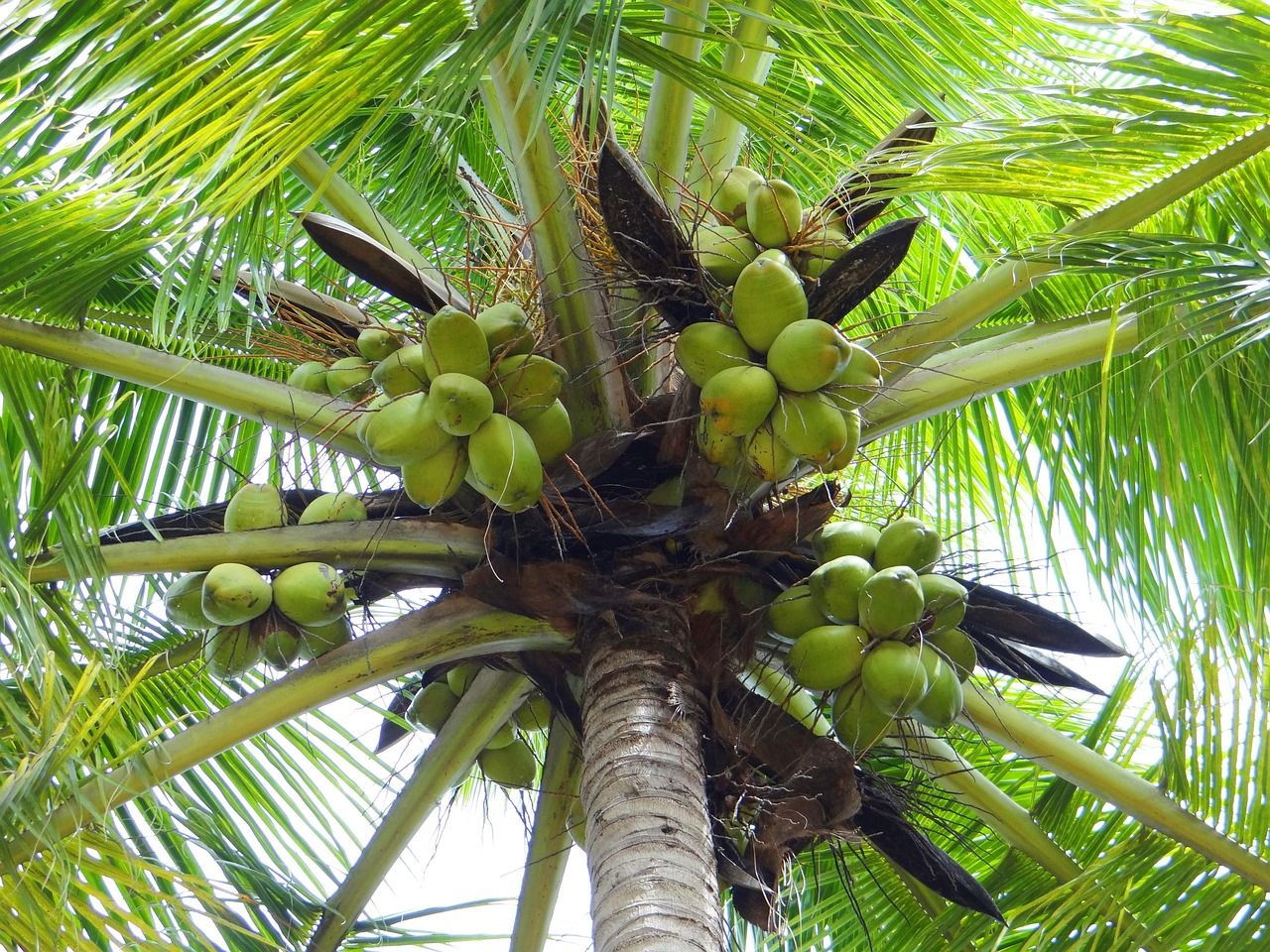
Representative image: sarangib / Pixabay
The International Coconut Community's 62nd session runs in Kochi from 17 to 20 November 2026; India called for joint research and better market access.
International Coconut Community: what happened
The International Coconut Community, the inter-governmental body of coconut-growing countries headquartered in Jakarta, is holding its 62nd Session and Ministerial Meeting in Kochi, Kerala, from Tuesday, 17 November to Friday, 20 November 2026. India is the host. The Union Ministry of Agriculture and Farmers Welfare announced the meeting in a press release on 16 November, saying it is jointly organised by the Coconut Development Board and the community's secretariat. Union Minister of State for Agriculture Ram Nath Thakur opened the session on 17 November and called on producing countries to work together on research, climate-resilient farming and access to markets.
International Coconut Community: key facts
- The 62nd Session and Ministerial Meeting runs for four days, 17 to 20 November 2026, in Kochi.
- It is organised by the Coconut Development Board, which works under the Ministry of Agriculture and Farmers Welfare, together with the International Coconut Community.
- Ram Nath Thakur said India's coconut sector supports the livelihoods of around 30 million people, including nearly 10 million farmers.
- Agriculture Secretary Atish Chandra, who gave the presidential address, said the industry has to respond to changing consumer preferences and the requirements of international markets.
- The opening ceremony included the community's plaques of appreciation for the best national coconut farmer, an outstanding coconut scientist or researcher, and the best national coconut entrepreneur.
- According to a government backgrounder of August 2026, India ranks first in the world in coconut production, with about 31.24% of global output, and third in area, with about 17.90%.
International Coconut Community: why it matters
Coconut is one of the clearest examples of India's real economy at work: a crop grown mostly on small holdings, processed by local units into oil, copra, coir, desiccated coconut and tender-nut drinks, and sold both in Indian towns and abroad.
The priorities India set out at the opening are practical ones. Research collaboration matters because coconut palms take years to bear and diseases cross borders, so sharing planting material and findings saves time. Climate-resilient farming matters because coconut is grown along coasts exposed to cyclones, salt water and long dry spells. Market access matters because value is added after the harvest, in processing and branding, and exporters need fewer barriers abroad.
The government's own figures show both India's strength and its weak spot. According to the August backgrounder, India produced about 20,301.22 million nuts in 2024-25 from 2.19 million hectares, an average of 9,249 nuts per hectare. Kerala, the host state, has the largest area under coconut, nearly 7.54 lakh hectares, and produced about 5,149.87 million nuts. The backgrounder names Tamil Nadu as the leading producer and Andhra Pradesh as the state with the highest productivity. The same document describes a scheme that replaces diseased, unproductive and old palms with quality seedlings, being carried out this year over 22,430 hectares across the country.
Peepals calculation: India's share of world coconut output (31.24%) is about 1.75 times its share of world coconut area (17.90%), since 31.24 ÷ 17.90 ≈ 1.75, so Indian groves yield well above the world average. Inside India the picture is uneven: Kerala grows about 25% of the country's nuts (5,149.87 ÷ 20,301.22 ≈ 0.25) on about 34% of its coconut area (7.54 lakh ÷ 21.9 lakh hectares ≈ 0.34), or roughly 6,830 nuts a hectare against the national 9,249. And if nearly 10 million of the 30 million people who depend on the sector are farmers, about one in three is a grower; the other two work in processing, trade and related jobs. Our calculation from the reported figures.
| Indicator | Figure |
|---|---|
| India's share of world coconut production | about 31.24% |
| India's share of world coconut area | about 17.90% |
| India's output, 2024-25 | about 20,301.22 million nuts |
| Area under coconut, 2024-25 | 2.19 million hectares |
| Average productivity | 9,249 nuts per hectare |
International Coconut Community: impact
Short-term: The meeting gives Indian growers' bodies, processors and exporters a direct line to officials and researchers from other producing countries for four days in Kochi. Any joint programmes or decisions agreed at the ministerial meeting will be announced by the organisers after the session ends on 20 November.
Long-term: If research and planting material are shared more widely, the gap between high- and low-yield regions could narrow, which matters most in older groves such as many in Kerala.
Who is affected: Coconut farmers, most of them on small plots in the southern and coastal states; workers in copra, coir and coconut-oil units; food and beverage firms using coconut products; and exporters selling to overseas buyers.
What to watch next: The session's concluding day on 20 November, when the outcomes of the ministerial meeting are expected from the organisers.
International Coconut Community: key takeaway
Farmers and processors should watch what the Kochi meeting agrees on research sharing and market access, since India already grows the most coconuts but its yields vary widely from state to state.
International Coconut Community: questions and answers
What is the International Coconut Community?
It is an inter-governmental body of coconut-producing countries, headquartered in Jakarta, Indonesia. Its sessions bring ministers, officials, scientists and industry from member countries together to discuss common problems and joint work on the crop.
Why is the 2026 meeting being held in Kochi?
India is hosting the 62nd session, and the Coconut Development Board, which is based in Kochi and works under the Union agriculture ministry, is co-organising it with the community's secretariat. Kerala also has the largest area under coconut in India.
Which Indian state produces the most coconuts?
The government's August 2026 backgrounder names Tamil Nadu as the leading producer, Kerala as the state with the largest area, and Andhra Pradesh as the state with the highest productivity per hectare.
Does the meeting change coconut prices for farmers right away?
No. The session is about cooperation on research, farming practices and trade. Any effect on farmers' incomes would come later, through joint programmes, better planting material or easier access to markets abroad.
Disclaimer: Prepared by the Peepals newsroom from publicly available sources with AI assistance. Information is accurate to the best of our knowledge at the time of publication and may change. Images may be representative. Not professional advice. Report an error via our contact page.
By Rohit Sharma, Staff WriterCovers Markets Watch and more for Peepals Business. All stories by Rohit Sharma
SpiceJet share price hits upper circuit as board clears Rs 5,500 crore raise
Twitch shoppable ads launch in US, skippable ads go worldwide in December
Your week ahead, every Sunday. Free.
Exam and result dates, IPOs opening, scheme deadlines, government holidays and the RBI decision for the next 7 days, plus the week's top stories. One email a week, unsubscribe in one click.
Rohit Sharma is a pen name of the Peepals Global Editorial Team, which researches, fact-checks and publishes every story. The portrait is an illustration.
Responsible for this story: the Peepals Global Editorial Team, led by editor Prashant Sonar. How we report