
Haryana sugarcane price row: farmers plan December 2 gherao, seek Rs 600
 By Neha KapoorStaff Writer, Peepals Business
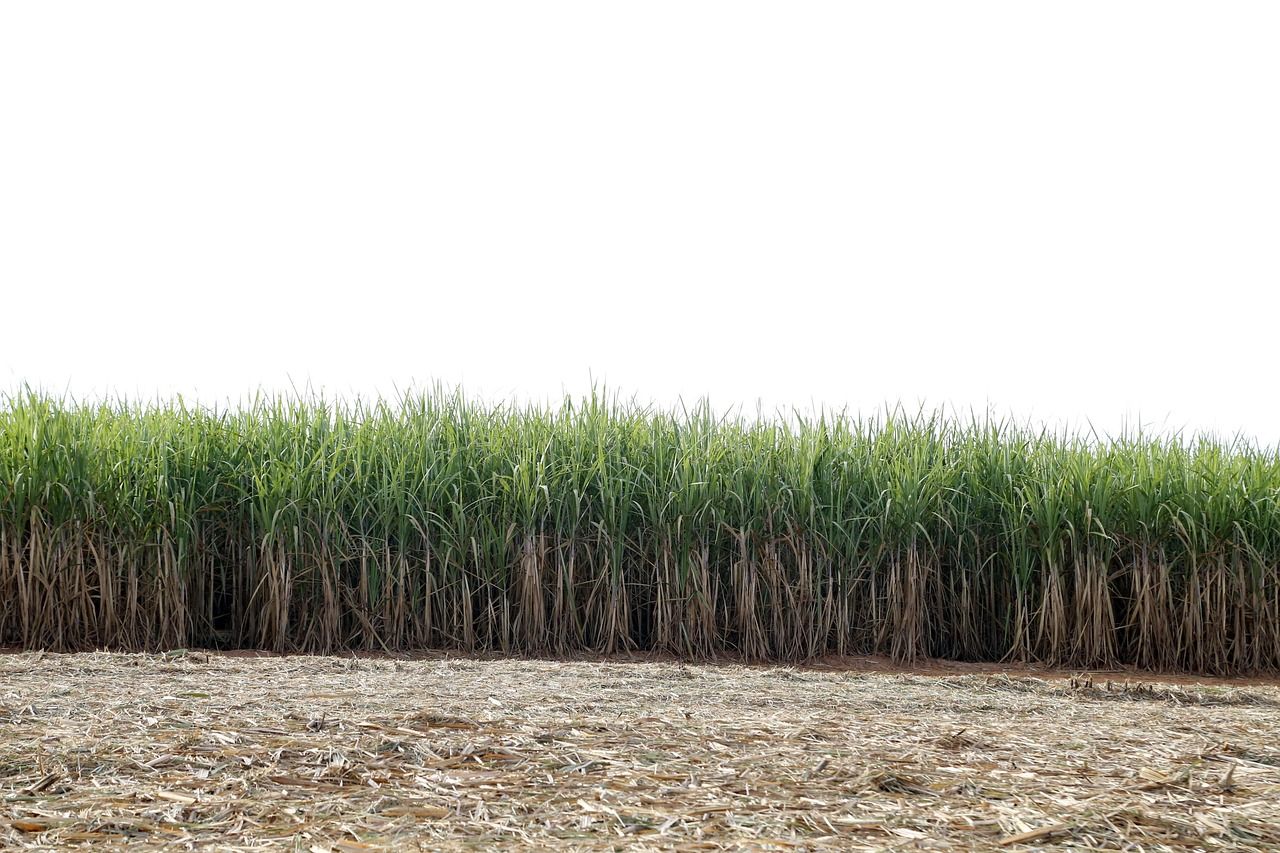
Representative image: joaolimafotografias / Pixabay
Haryana sugarcane farmers, rejecting the state's Rs 430 a quintal price for 2026-27, plan to gherao the Chief Minister's Kurukshetra residence on 2 December unless they get Rs 600.
Haryana sugarcane price: what happened
Sugarcane farmers in Haryana have stepped up their protest against the state's cane price for the 2026-27 crushing season, saying they will gherao Chief Minister Nayab Singh Saini's residence in Kurukshetra on 2 December 2026 if their demand for Rs 600 a quintal is not met. Farmer unions, including factions of the Bharatiya Kisan Union (BKU), have rejected the government's increase to Rs 430 a quintal as too small and are urging growers to withhold cane from sugar mills. The state announced on 29 October that the price would rise from Rs 415 to Rs 430 for 2026-27 and to Rs 450 for 2027-28.
Haryana sugarcane price: key facts
- Government decision (announced 29 October 2026): Rs 430 a quintal for 2026-27 and Rs 450 for 2027-28, up from Rs 415 in 2025-26, a total rise of Rs 35 over two seasons.
- Farmers' demand: Rs 600 a quintal.
- Unions involved include BKU (Charuni) and BKU (Tikait).
- Protest plan: a gherao of the Chief Minister's residence in Kurukshetra on 2 December 2026 if the demand is not accepted.
- Unions have urged farmers to withhold supplies and have threatened to disrupt work at cooperative and private sugar mills.
- National floor: the Centre's Fair and Remunerative Price (FRP) for 2026-27 is Rs 365 a quintal, approved by the Union Cabinet on 5 May 2026.
Haryana sugarcane price: why it matters
In northern states, sugarcane farmers are paid a State Advised Price (SAP) set by the state government, which is usually above the Centre's minimum FRP. Haryana's price is often compared with those of neighbouring states, and the size of the increase decides the income of cane-growing families for the season and how much the state's cooperative and private sugar mills must pay.
Unions have called the increase meagre. The government's Rs 15 rise for this season works out to about 3.6%, and unions say it does not reflect what it costs to grow cane. Their Rs 600 demand is a statement of how far apart the two sides are.
Withholding cane is a powerful lever. Sugar mills need a steady supply once crushing starts; if farmers hold back, mills lose working days, and both sides lose money. That is why unions are pairing it with the threat of a gherao, a form of protest in which people surround an official or building, to keep pressure on the government.
For the wider economy, a prolonged dispute could delay crushing, affect sugar output in the state and hold up payments to farmers, which matter to rural spending in the cane belt.
Peepals calculation: The farmers' demand of Rs 600 is about 40% higher than the state's Rs 430 (600 ÷ 430 ≈ 1.395). Rs 430 is about 18% above the Centre's FRP of Rs 365 (430 ÷ 365 ≈ 1.178). This season's Rs 15 rise is about 3.6% (15 ÷ 415), and next season's Rs 20 rise is about 4.7% (20 ÷ 430). Our calculation from the reported figures.
| Season | Haryana price (per quintal) |
|---|---|
| 2025-26 | Rs 415 |
| 2026-27 | Rs 430 |
| 2027-28 | Rs 450 (announced) |
| Farmers' demand | Rs 600 |
Haryana sugarcane price: impact
Short-term: If farmers withhold cane, mills could see a slow start to crushing, and the 2 December protest date will test whether the government reopens talks.
Long-term: The dispute could push Haryana and its neighbours to revisit how cane prices are set, including whether costs of cultivation are reflected more closely.
Who is affected: Sugarcane farmers in Haryana; cooperative and private sugar mills; mill workers; and the state government, which must balance farm incomes with mill finances.
What to watch next: The planned gherao of the Chief Minister's residence in Kurukshetra on 2 December 2026, and whether the government holds talks with unions before then.
Haryana sugarcane price: key takeaway
Watch 2 December: unless the government and unions find middle ground between Rs 430 and Rs 600, the cane dispute could disrupt Haryana's crushing season.
Haryana sugarcane price: questions and answers
What is the sugarcane price in Haryana for 2026-27?
Rs 430 a quintal, up from Rs 415 in 2025-26, as announced by the state on 29 October 2026. It is set to rise to Rs 450 in 2027-28.
What are Haryana's sugarcane farmers demanding?
Rs 600 a quintal. Unions have rejected the Rs 430 price as too low.
What protest have farmers announced?
A gherao of Chief Minister Nayab Singh Saini's residence in Kurukshetra on 2 December 2026 if the demand is not met, along with a call to withhold cane from mills.
How does Haryana's price compare with the national FRP?
The Centre's Fair and Remunerative Price for 2026-27 is Rs 365 a quintal, so Haryana's Rs 430 is about 18% higher.
Disclaimer: Prepared by the Peepals newsroom from publicly available sources with AI assistance. Information is accurate to the best of our knowledge at the time of publication and may change. Images may be representative. Not professional advice. Report an error via our contact page.
By Neha Kapoor, Staff WriterCovers Economy and more for Peepals Business. All stories by Neha Kapoor
Style Union raises Rs 485 crore Series E to reach 220 stores by March 2027
CtrlS Bihar data centre: Rs 10,000 crore, 150 MW AI campus near Patna
Your week ahead, every Sunday. Free.
Exam and result dates, IPOs opening, scheme deadlines, government holidays and the RBI decision for the next 7 days, plus the week's top stories. One email a week, unsubscribe in one click.
Neha Kapoor is a pen name of the Peepals Global Editorial Team, which researches, fact-checks and publishes every story. The portrait is an illustration.
Responsible for this story: the Peepals Global Editorial Team, led by editor Prashant Sonar. How we report