CoreWeave shares fall 15% as bond yields near 15%, stoking AI debt fears
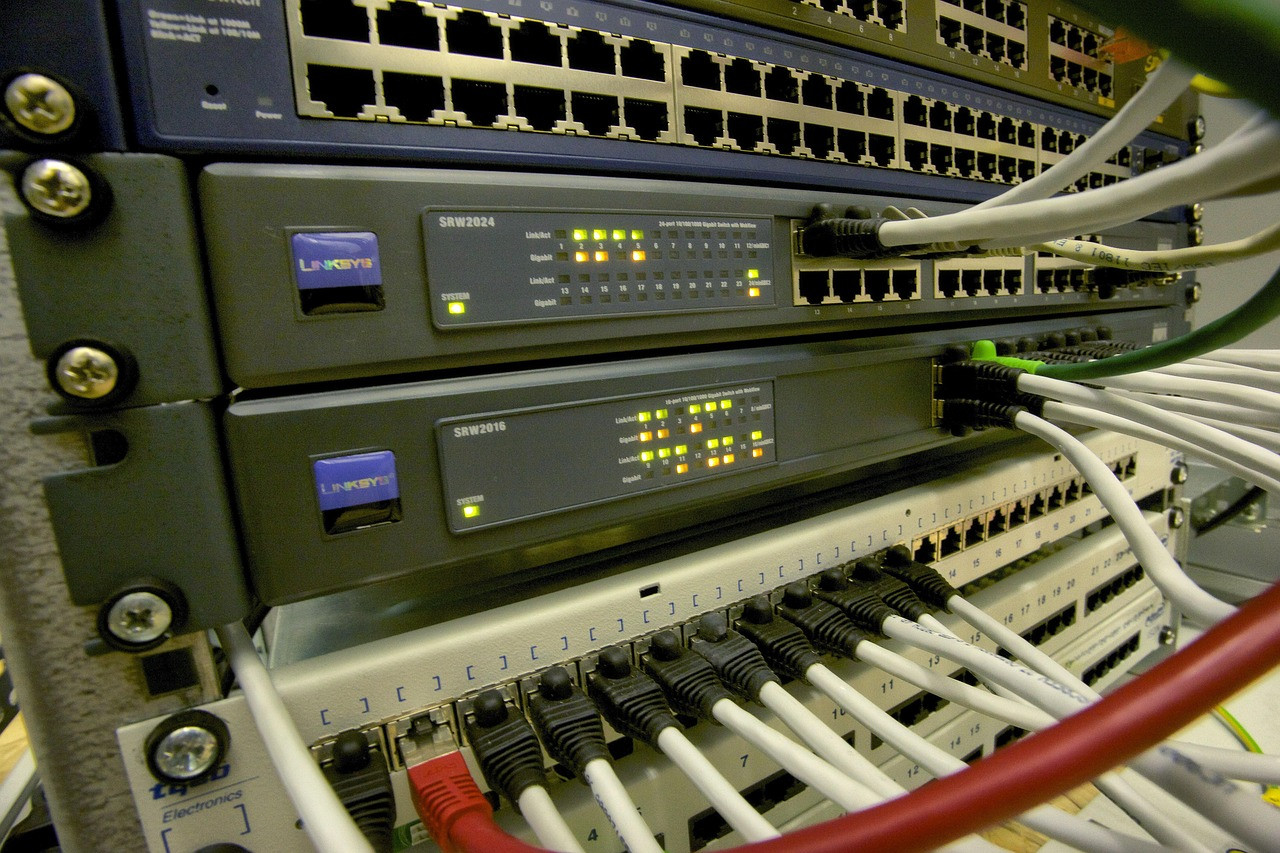
Representative image: LoboStudioHamburg / Pixabay
CoreWeave shares fell about 15% to $65.78 on October 14, 2026 as its bond yields neared 15% and it announced new share and note sales.
What Happened
Shares of CoreWeave, the US company that rents out Nvidia-powered computing capacity for artificial intelligence, fell about 15 per cent on Wednesday, October 14, 2026, to close at $65.78, after yields on its bonds climbed close to 15 per cent. The jump in bond yields, a sign that lenders see higher risk, revived worries that AI infrastructure companies outside the biggest tech giants are borrowing too heavily to build data centres. The fall came shortly after CoreWeave announced an at-the-market programme to sell up to 35 million new shares and a planned $3 billion private offering of convertible notes due 2033. Chief Executive Mike Intrator said the company is "confident in our backlog which more than supports all of our debt obligations." The stock was trading about 3 per cent lower again early on October 15.
Key Facts
- CoreWeave (Nasdaq: CRWV) fell about 15 per cent on October 14, 2026, closing at $65.78.
- Yields on the company's bonds rose to nearly 15 per cent, reflecting higher perceived credit risk.
- CoreWeave had just launched an at-the-market programme for up to 35 million new shares and a planned $3 billion private offering of convertible senior notes due 2033.
- Twelve-month cash from operations to June 2026 was about $6.91 billion, but free cash flow was about negative $13.66 billion.
- Investor Chamath Palihapitiya highlighted the bond yields on social media; Elon Musk replied "yikes".
- Analyst Gil Luria called CoreWeave the most vulnerable AI name; Dan Ives said the sell-off was overdone.
- ARK Invest bought about 188,665 CoreWeave shares, worth about $12.4 million, after the fall.
Why It Matters
CoreWeave has become a symbol of the AI building boom. It buys huge numbers of Nvidia chips, builds or leases data centres, and rents the computing power to AI labs and large technology firms. That business needs enormous amounts of money up front, and CoreWeave has relied heavily on borrowing to fund it. The company says its contracted future revenue, its backlog, more than covers its debts. But when bond investors demand yields close to 15 per cent, they are signalling that they see real risk that the company could struggle to repay if AI demand or pricing weakens.
The new share and convertible note sales added to the pressure. Selling more shares dilutes existing shareholders, and convertible notes can turn into shares later. Together with deeply negative free cash flow, the moves raised questions about how long the company can keep spending at this pace without fresh capital.
The episode matters beyond one company. Investors have grown more cautious about AI-related debt, especially at firms without the deep cash reserves of the largest tech companies. A hot US inflation report this week has also raised the chance of higher interest rates, which makes borrowing costlier for exactly these companies. CoreWeave's slide fed into a wider sell-off in AI-linked stocks.
For India, where companies are announcing large AI data centre projects and investors are pouring money into the theme, the CoreWeave episode is a reminder that building AI infrastructure on borrowed money carries risk if returns take longer to arrive.
| Measure | Figure |
|---|---|
| Share price fall on October 14 | About 15%, to $65.78 |
| Bond yields | Close to 15% |
| Planned convertible notes | $3 billion, due 2033 |
| Free cash flow (12 months to June 2026) | About negative $13.66 billion |
Impact
Short-term: CoreWeave faces higher borrowing costs and investor scepticism while it raises new money. Its share price is likely to stay volatile as markets weigh its backlog against its debts.
Long-term: The episode could make lenders and investors more selective about funding AI infrastructure, favouring companies with strong cash flows. If AI demand stays strong, CoreWeave's supporters argue its contracts will justify the spending; if not, heavily indebted builders could come under strain.
Who is affected: CoreWeave shareholders and bondholders, AI companies that rent its computing capacity, chipmaker Nvidia and other suppliers, and investors in AI infrastructure worldwide.
Key Takeaway
CoreWeave's 15 per cent share fall on October 14, 2026, as its bond yields neared 15 per cent, has sharpened investor worries about debt-funded AI infrastructure.
Questions and Answers
Why did CoreWeave stock fall?
CoreWeave shares fell about 15 per cent on October 14, 2026, after yields on its bonds rose close to 15 per cent and it announced new share and convertible note sales, raising concerns about its heavy borrowing.
What does CoreWeave do?
CoreWeave rents out large-scale computing power, built on Nvidia chips in data centres, to AI developers and technology companies.
What did CoreWeave's CEO say about its debt?
Chief Executive Mike Intrator said the company is "confident in our backlog which more than supports all of our debt obligations."
Is the CoreWeave sell-off a sign of an AI bubble?
Analysts are divided. Gil Luria called CoreWeave the most vulnerable AI name, while Dan Ives said the sell-off was overdone. The episode shows growing investor caution about debt-funded AI spending.
Disclaimer: Prepared by the Peepals newsroom from publicly available sources with AI assistance. Information is accurate to the best of our knowledge at the time of publication and may change. Images may be representative. Not professional advice. Report an error via our contact page.
Sourced and fact-checked by the Peepals Global Editorial Team
BSE Sensex jumps 1,534 points to 74,316 as crude falls; Nifty at 3-week high
Madras HC stays order for 200 lakh ration palm oil packets ahead of Diwali
Reported, fact-checked and published by the Peepals Global Editorial Team.