SolarWinds launches Avior AI agents for IT operations, with human sign-off

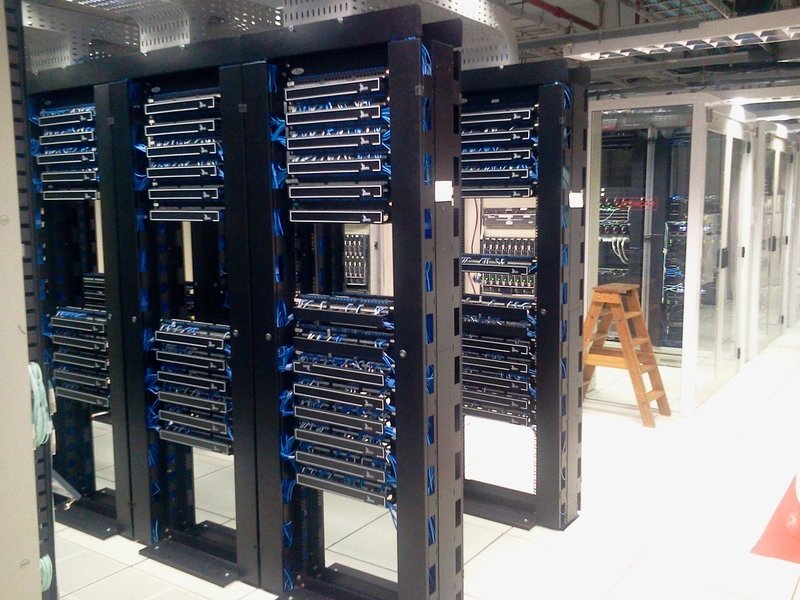
Representative image: valaymtw / Pixabay
SolarWinds launched Avior on 14 October 2026, an agentic AI system that automates first-line IT operations with repeatable execution and human approvals.
What Happened
SolarWinds, the American IT management software company, launched Avior on Wednesday, 14 October 2026, a standalone agentic artificial intelligence system that takes on routine, first-line IT operations work for large organisations. Avior runs on the SolarWinds Platform and uses goal-driven AI agents to handle tasks across hybrid and on-premises systems, while requiring human approval for higher-risk actions and keeping audit trails of what the agents do. The company is pitching the product on predictability: it says an AI agent that produces different results from one run to the next is a liability wherever uptime and security matter, so Avior pairs its agents with deterministic, repeatable execution. Avior is available from 14 October through a guided onboarding programme.
Key Facts
- Product: Avior, a standalone agentic AI system for IT operations, built on the SolarWinds Platform.
- Launch date: 14 October 2026, available through a guided onboarding programme.
- Where it works: hybrid and on-premises IT environments, including networks.
- Three modes: assistive (agents identify issues and recommend fixes), human-in-the-loop (an administrator must approve actions first) and fully autonomous (agents act within customer-set limits and report back).
- Network agent tasks: grouping related alerts into incidents, spotting configuration drift, checking devices against compliance policies and managing configuration backups.
- Safeguards: human approval gates for riskier changes and audit trails of agent actions.
Why It Matters
IT teams in large companies spend much of their time on repetitive first-line work: sorting through floods of alerts, working out which ones belong to the same problem, checking that network devices are set up correctly and making sure configurations are backed up. AI agents promise to take over much of this. The obstacle has been trust. Large language models can give different answers to the same question, and in a data centre or corporate network an action that works one day and does something else the next can cause outages or security gaps.
SolarWinds' answer is to let AI agents decide what needs doing, but to carry out the work through fixed, repeatable steps, so the same input leads to the same result. Its three operating modes let a company start cautiously, with agents only making recommendations, and move to more automation as it gains confidence. Requiring approval for risky changes and recording every action are aimed at the auditors and security teams who must sign off on any automation touching critical systems.
The launch is part of a wider push by IT software vendors to sell "governed" AI agents, which act on their own but within rules set by the customer. For businesses, the appeal is lower cost and faster response to problems, especially at night or during incidents when human staff are stretched. Analysts have noted, though, that vendors have so far shared little hard data on how much such agents actually improve outcomes, so early customers will in effect be testing the claims.
For Indian IT services firms and global capability centres that run operations work for clients, tools of this kind could change the nature of the job, shifting effort from routine monitoring towards supervising and approving what AI agents do.
| Mode | What the agent does | Human role |
|---|---|---|
| Assistive | Finds issues, recommends fixes | Decides and acts |
| Human-in-the-loop | Prepares the change | Approves before it runs |
| Fully autonomous | Acts within set limits, reports back | Sets limits, reviews results |
Impact
Short-term: Existing SolarWinds customers can begin trials through the onboarding programme. Most are likely to start in the assistive or approval modes while they test how reliable the agents are.
Long-term: If governed agents prove dependable, much routine IT operations work could be automated, changing staffing and skills needs in IT departments and outsourced operations centres. Proof of results, not product launches, will decide how fast that happens.
Who is affected: Enterprise IT and network teams, managed service providers, security and compliance staff who oversee automation, and IT services companies that run operations for clients.
Key Takeaway
SolarWinds launched Avior on 14 October 2026, an AI agent system for IT operations that pairs agents with repeatable execution, human approvals and audit trails.
Questions and Answers
What is SolarWinds Avior?
Avior is a standalone agentic AI system from SolarWinds, launched on 14 October 2026, that automates routine IT operations work across hybrid and on-premises systems, such as grouping alerts into incidents and checking network devices against policies.
How does Avior keep AI agents under control?
It offers three modes, from recommendations only to approval-before-action to fully autonomous work within customer-set limits. Higher-risk actions need human approval, and agent actions are recorded in audit trails.
What does "deterministic execution" mean here?
It means the agents carry out tasks through fixed, repeatable steps, so the same situation produces the same action every time. SolarWinds argues that AI agents giving different outcomes on different runs are a risk where uptime and security matter.
When can companies use Avior?
SolarWinds says Avior is available from 14 October 2026 through a guided onboarding programme.
Disclaimer: Prepared by the Peepals newsroom from publicly available sources with AI assistance. Information is accurate to the best of our knowledge at the time of publication and may change. Images may be representative. Not professional advice. Report an error via our contact page.
Sourced and fact-checked by the Peepals Global Editorial Team
Defence start-up Tonbo Imaging raises Rs 255 crore from anchors; IPO opens
HD Fire Protect IPO closes today, subscribed over 20 times by mid-morning
Reported, fact-checked and published by the Peepals Global Editorial Team.