
Fire Point says its long-range strikes no longer need Starlink
 By Arjun MehtaSenior Business Editor, Peepals Business
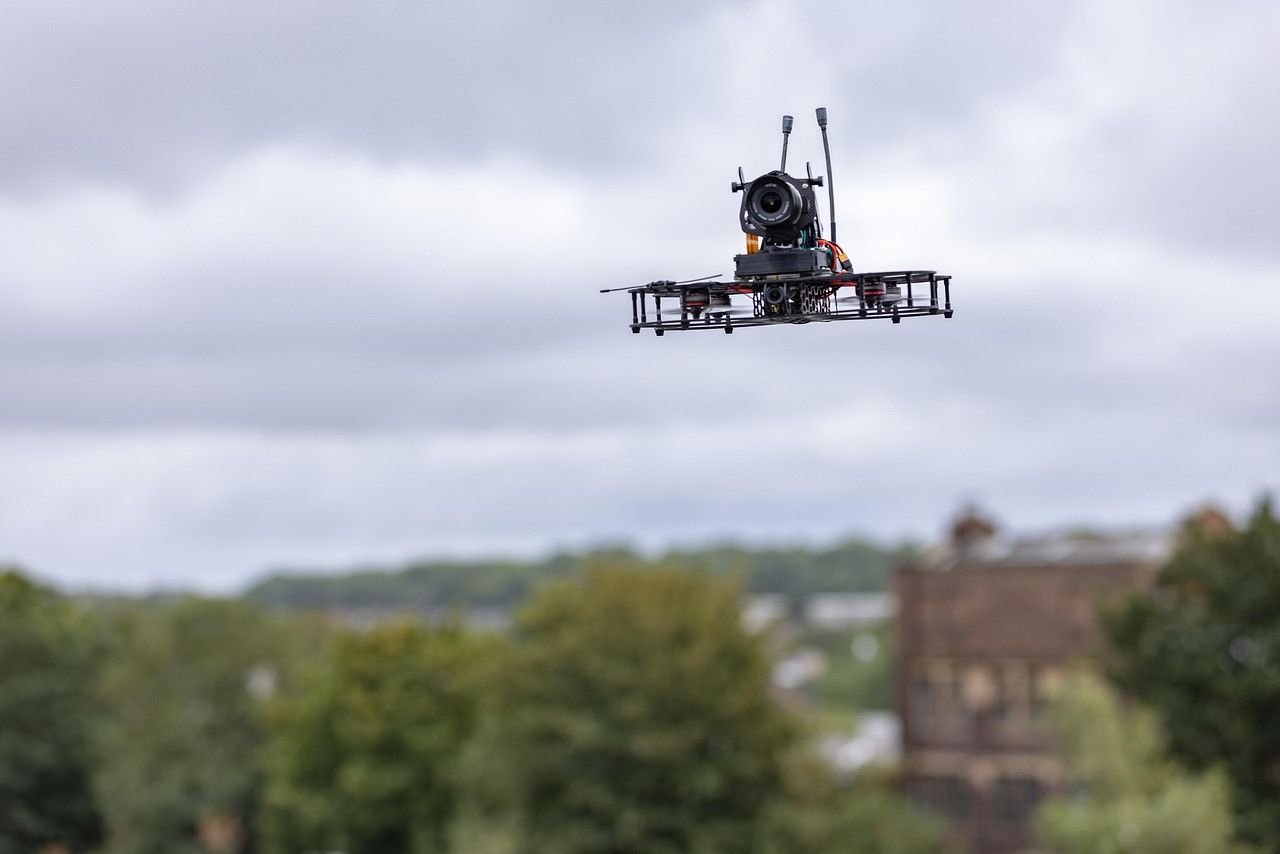
Representative image: This_is_Engineering / Pixabay
Ukrainian defence start-up Fire Point told Reuters on October 30, 2026, that its drones and missiles can complete missions without a Starlink link.
What Happened
Fire Point, the Ukrainian defence start-up behind the FP-1 long-range drone and the FP-5 Flamingo cruise missile, says it has found ways to carry out long-range strikes without relying on SpaceX's Starlink satellite service. Chief executive Iryna Terekh told Reuters in an interview published on October 30, 2026, that the company's systems are designed to complete a mission even without a satellite link, but she declined to explain how the workarounds function. Her comments came after Ukraine faced about 10 days of speed restrictions on Starlink terminals this month, during which Starlink service in Ukraine stopped working above roughly 160 km/h, according to reports. Ukraine has since said that connectivity at higher speeds has been restored.
Key Facts
- Fire Point CEO Iryna Terekh told Reuters on October 30, 2026, that its systems can finish missions without a satellite connection.
- She declined to give technical details of how the company works around the loss of Starlink.
- Ukraine faced about 10 days of Starlink speed restrictions in October; reports said terminals lost connection above about 160 km/h.
- Elon Musk has accused Ukraine's military of misusing the civilian Starlink service; Ukraine denies this and says it uses the militarised Starshield version for such missions.
- Fire Point is described as a defence start-up founded by a group of friends from non-military fields, including construction, game design and architecture.
- Terekh has said the company is still producing the FP-5 Flamingo and developing its own turbojet engine, with mass production planned for next year.
Why It Matters
Fire Point is one of the best-known examples of a wartime start-up becoming a major arms supplier. It was founded by people without a military background and grew to produce long-range one-way attack drones in large numbers, reportedly lifting FP-1 output from about 30 to more than 100 units a day by mid-2025. Its products are central to Ukraine's campaign of strikes deep inside Russia and in occupied areas.
The Starlink episode showed how much a young defence company can depend on a single foreign technology provider. Long-range drones need reliable navigation and communication over hundreds of kilometres, and a satellite link that can be throttled or cut by another company's decision is a business risk as well as a military one. By saying its systems can operate without that link, Fire Point is trying to show customers and investors that its products are not hostage to SpaceX's policies. One secondary report suggested the alternative works at only part of full capability, but that figure has not been confirmed by the company, and Terekh gave no details.
The company's push for independence goes beyond satellites. Terekh has said that about 90% of the Flamingo missile is made from components produced in-house or by Ukrainian manufacturers, and that Fire Point has developed its own turbojet engine, with testing to finish by the end of 2026. Analysts have questioned parts of these claims, and independent verification of Fire Point's production figures is limited. The company has also faced an inquiry by Ukraine's National Anti-Corruption Bureau into supply costs and volumes; the bureau later said the Flamingo missile itself was not under investigation.
For Indian readers, the story is relevant to India's own young defence start-ups and the companies that back them. Fire Point's experience shows both the speed at which small teams can scale in wartime and the risk of depending on foreign platforms for critical functions such as navigation and communications.
| Point | Detail |
|---|---|
| Company | Fire Point, Ukrainian defence start-up |
| Key products | FP-1 long-range drone, FP-5 Flamingo cruise missile |
| Chief executive | Iryna Terekh |
| Claim made October 30 | Systems can complete missions without a satellite link |
| Starlink limits | About 10 days of speed restrictions in October 2026 |
Impact
Short-term: Ukraine's long-range strike programme gains some reassurance that a cut in Starlink service would not stop missions, although the claim cannot be independently tested. The dispute between Musk and Kyiv over Starlink use remains unresolved.
Long-term: Defence start-ups are likely to invest more in navigation and communication systems that work without commercial satellite networks, and governments may favour suppliers that reduce dependence on foreign platforms.
Who is affected: Ukraine's armed forces and defence industry; Fire Point and its suppliers; SpaceX and its Starlink and Starshield services; investors and governments backing defence start-ups, including in India.
Key Takeaway
Fire Point says its drones and missiles can complete long-range missions without Starlink, a sign that Ukraine's wartime defence start-ups are working to cut their reliance on a single foreign satellite provider.
Questions and Answers
What did Fire Point say about Starlink?
Chief executive Iryna Terekh told Reuters on October 30, 2026, that Fire Point's systems are designed to complete missions without a satellite link, so its long-range strikes do not depend on SpaceX's Starlink. She did not explain the technology.
Why was Starlink an issue for Ukraine this month?
Ukraine faced about 10 days of speed restrictions on Starlink in October, with terminals reportedly losing connection above about 160 km/h. Ukraine says connectivity at higher speeds has since been restored.
What is Fire Point?
It is a Ukrainian defence start-up founded by people from non-military fields. It makes the FP-1 long-range attack drone and the FP-5 Flamingo cruise missile.
Can Fire Point's claims be verified?
Not fully. The company gave no technical details, and independent verification of its production figures is limited.
Disclaimer: Prepared by the Peepals newsroom from publicly available sources with AI assistance. Information is accurate to the best of our knowledge at the time of publication and may change. Images may be representative. Not professional advice. Report an error via our contact page.
By Arjun Mehta, Senior Business EditorCovers Start-ups & Opportunities and more for Peepals Business. All stories by Arjun Mehta
Get the day's stories in your inbox
Peepals Weekly: the week decoded, free. One email a week, unsubscribe in one click.
Arjun Mehta is a pen name of the Peepals Global Editorial Team, which researches, fact-checks and publishes every story. The portrait is an illustration.