
ECB holds deposit rate at 2.5%, warns energy costs raise inflation risks
 By Neha KapoorEconomy Correspondent, Peepals Business
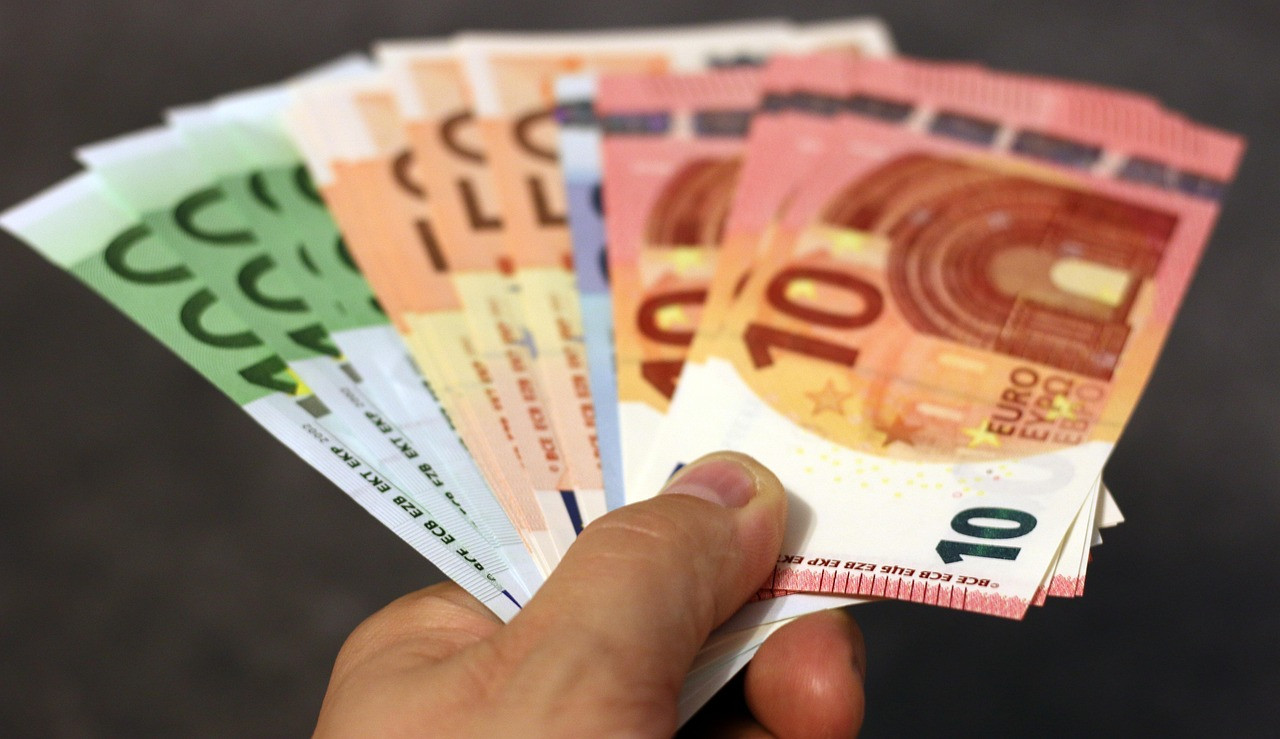
Representative image: moerschy / Pixabay
The European Central Bank kept its deposit rate at 2.50% on October 29, 2026, after a September hike, and warned that surging energy costs are raising inflation risks.
What Happened
The European Central Bank (ECB) left its interest rates unchanged on Thursday, October 29, 2026, keeping the deposit facility rate at 2.50%, the main refinancing rate at 2.65% and the marginal lending rate at 2.90%. The decision was widely expected, but the bank warned that the risks of higher inflation are rising because of surging energy costs. The hold comes after the ECB raised all three rates by 0.25 percentage points at its previous meeting, on September 10.
Key Facts
- Deposit facility rate: 2.50%, unchanged; this is the rate the ECB pays banks on overnight deposits and its main policy signal.
- The decision was scheduled for 14:15 Central European Time, followed by the president's press conference.
- Main refinancing rate: 2.65%; marginal lending rate: 2.90%; both unchanged.
- At its September 10 meeting the ECB raised its three key rates by 25 basis points, with the new rates taking effect from September 16.
- The ECB said in September that conflict in the Middle East was generating inflation pressures and that inflation was set to stay well above its target for an extended period.
- In a news agency poll before the meeting, 70 of 73 economists expected no change in October, and 64 expected a quarter-point rise in December.
- The decision came on the same day the bank announced that President Christine Lagarde will step down on February 7, 2027.
Why It Matters
Central banks raise interest rates to cool inflation and cut them to support growth. The ECB has said the conflict in the Middle East is generating inflation pressures, and it responded with a rate rise in September. Thursday's pause gives households and businesses a breather, but the bank's warning that inflation risks are rising is a signal that it is ready to tighten again if needed.
Markets expect that to happen in December. A further rise would make borrowing more expensive for euro-area homebuyers and companies and could slow economic growth. For savers, higher rates mean better returns on deposits. The balance the ECB is trying to strike is between stopping the energy shock from becoming a lasting rise in prices and not tipping the region into recession.
The leadership change adds uncertainty. Lagarde's early exit, announced the same day, means the bank's next decisions in early 2027 will be shaped by a transition at the top. Investors will watch whether her successor is seen as more willing to raise rates or more cautious.
For India, the ECB matters in several ways. Europe is an important market for Indian exporters, so anything that slows European demand can affect their orders. Higher rates in Europe can also strengthen the euro against other currencies and influence global capital flows, including into Indian markets. Indian companies that borrow in euros face higher costs when ECB rates rise.
| ECB key rates after October 29, 2026 | Rate |
|---|---|
| Deposit facility rate | 2.50% (unchanged) |
| Main refinancing rate | 2.65% (unchanged) |
| Marginal lending rate | 2.90% (unchanged) |
| Previous change | +0.25 points on September 10, effective September 16 |
Impact
Short-term: Borrowing costs in the euro area stay where they are for now, while markets price in a likely rate rise in December.
Long-term: If energy-driven inflation persists, the ECB may keep raising rates into 2027, which could slow growth in Europe and weigh on demand for imports, including from India.
Who is affected: Euro-area households and businesses with loans or savings, banks, investors in European assets, and Indian exporters and companies with euro borrowings.
Key Takeaway
The ECB held its deposit rate at 2.50% on October 29, 2026 after a September hike, but warned that rising energy costs are increasing inflation risks, keeping a December hike in play.
Questions and Answers
What did the ECB decide on October 29, 2026?
It kept its three key rates unchanged: the deposit facility rate at 2.50%, the main refinancing rate at 2.65% and the marginal lending rate at 2.90%.
Why did the ECB warn about inflation?
The bank said inflation risks are rising because of surging energy costs; in September it linked inflation pressures to the conflict in the Middle East.
Will the ECB raise rates in December 2026?
Nothing is decided. In a poll before the meeting, 64 of 73 economists expected a quarter-point rise in December.
How does the ECB decision affect India?
The euro area is a big market for Indian exports, so ECB moves that slow European demand or shift the euro's value can affect Indian exporters and companies that borrow in euros.
Disclaimer: Prepared by the Peepals newsroom from publicly available sources with AI assistance. Information is accurate to the best of our knowledge at the time of publication and may change. Images may be representative. Not professional advice. Report an error via our contact page.
By Neha Kapoor, Economy CorrespondentCovers Economy and more for Peepals Business. All stories by Neha Kapoor
Pine Labs Q2: profit rises six-fold to Rs 39 crore, revenue up 24%
Equitas SFB shares tumble as PN Vasudevan steps down despite record Q2
Get the day's stories in your inbox
Peepals Weekly: the week decoded, free. One email a week, unsubscribe in one click.
Neha Kapoor is a pen name of the Peepals Global Editorial Team, which researches, fact-checks and publishes every story. The portrait is an illustration.