
US strategic petroleum reserve falls to 282.6 million barrels, lowest since 1982
 By Neha KapoorEconomy Correspondent, Peepals Business
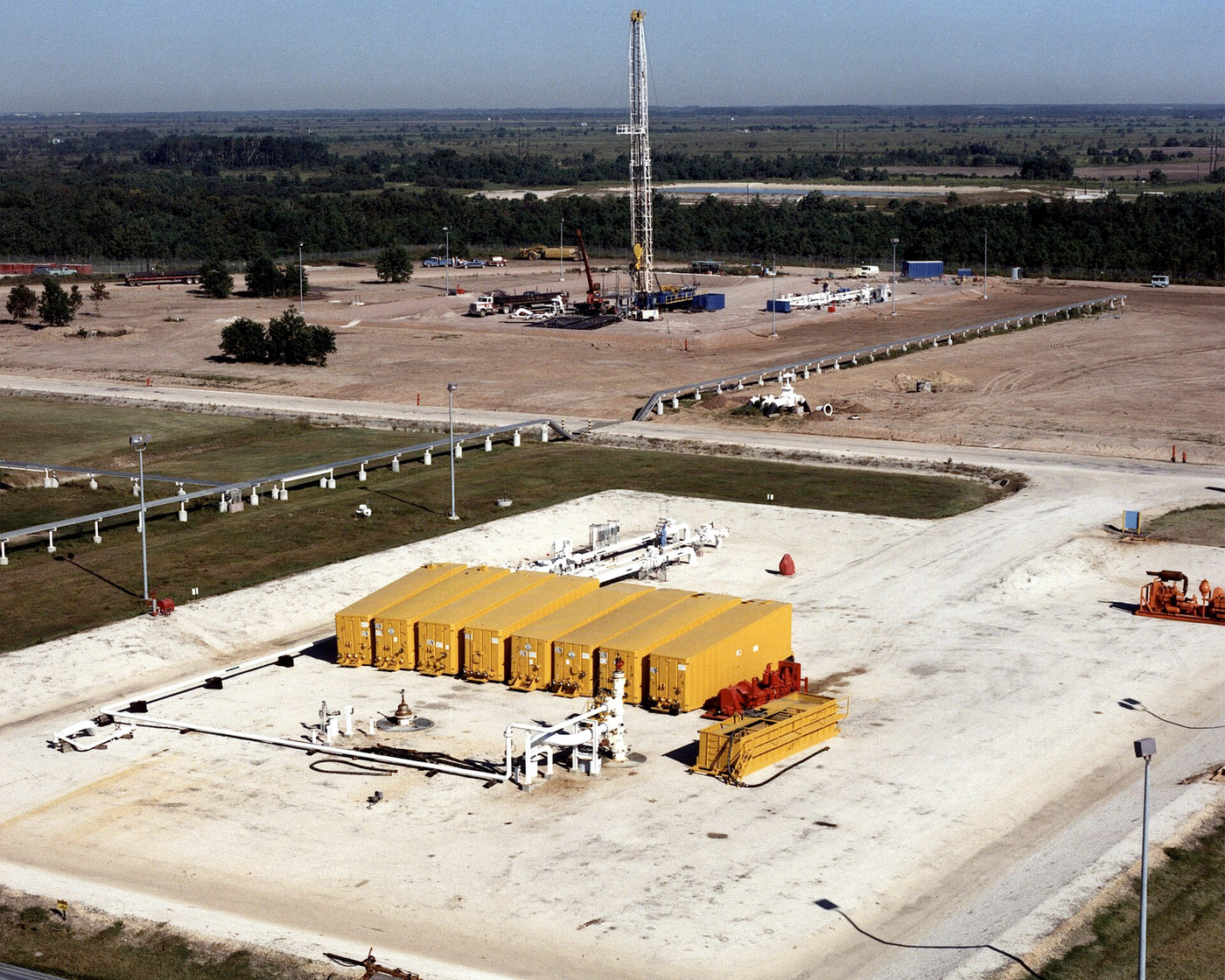
File photo: ENERGY.GOV (Public domain), via Wikimedia Commons
The US Strategic Petroleum Reserve held about 282.6 million barrels in the week to October 23, 2026, its lowest since 1982, after emergency releases this year.
What Happened
The United States' Strategic Petroleum Reserve (SPR), the government's emergency stock of crude oil, held about 282.6 million barrels in the week ending October 23, 2026, according to weekly government data reported on October 26 and 27. That is its lowest level since October 1982. The reserve has been drawn down steadily since March, when the US government ordered a large emergency release as its share of a coordinated international effort to calm oil markets during the disruption of shipping through the Strait of Hormuz.
Key Facts
- Level: about 282.6 million barrels in the week to October 23, 2026, down from about 282.7 million a week earlier.
- That is the lowest since October 1982, when the reserve held about 280.8 million barrels, according to reports on the data.
- The reserve is now at roughly 40% of its authorised capacity of about 714 million barrels.
- On March 11, 2026, the US President authorised the Department of Energy to release 172 million barrels over about 120 days, according to reports.
- The release was the US share of a 400-million-barrel joint action by members of the International Energy Agency (IEA).
- The reserve has fallen by about 133 million barrels, or 32%, from about 415 million barrels on March 20, 2026, by one estimate.
- The Department of Energy has also approved an emergency exchange of up to 400,000 barrels to cover a supply disruption at a refinery in Lake Charles, Louisiana.
Why It Matters
The SPR is a government stock of crude oil, held in underground salt caverns, meant to keep refineries supplied if imports or production are cut off. Releasing oil from it adds supply to the market and can help hold down prices in a crisis, which is why governments use it, and why rich countries coordinate releases through the IEA.
This year's crisis has been unusually severe. The disruption of tanker traffic through the Strait of Hormuz, the narrow sea passage between Iran and Oman through which a large share of the world's oil exports pass, pushed prices sharply higher and led to the coordinated release. The SPR helped cushion the shock, but the cost is a much thinner safety margin. With the reserve at about 40% of capacity, the United States has less oil to release if another emergency strikes, and refilling it will mean buying back crude, which could itself push prices up when it happens.
For Indian readers, the US reserve matters because oil is priced in a single global market. When the world's largest emergency stock runs low, traders worry about how much spare oil is available in a crisis, and that can make prices jumpier. India imports most of the crude it uses, so higher or more volatile global prices feed into the country's import bill, the rupee and, eventually, fuel and transport costs. The US experience is also a reminder of how fast emergency stocks can be used up in a long crisis.
| Date (2026) | SPR level (approx.) |
|---|---|
| March 20 | 415 million barrels |
| Week to October 16 | 282.7 million barrels |
| Week to October 23 | 282.6 million barrels |
| October 1982 (comparison) | 280.8 million barrels |
Impact
Short-term: Weekly withdrawals have slowed, and the reserve is now falling by small amounts. Markets will watch whether the government sells more oil, as further proposals for deliveries in November and December have been reported, or begins to refill the reserve.
Long-term: Washington faces a choice between keeping the reserve low and saving money, or rebuilding it, which would add to demand for crude. A low reserve also weakens the West's ability to respond jointly to future supply shocks.
Who is affected: US energy policymakers, oil traders and refiners, oil-importing countries such as India, and consumers worldwide whose fuel prices depend on the global crude market.
Key Takeaway
After this year's emergency releases, the US emergency oil stock has fallen to about 282.6 million barrels, its lowest since 1982, leaving less cushion for the next supply shock.
Questions and Answers
What is the Strategic Petroleum Reserve?
It is the US government's emergency stock of crude oil, stored in underground salt caverns, used to supply the market if oil imports or production are disrupted.
How low is the strategic petroleum reserve now?
About 282.6 million barrels in the week ending October 23, 2026, the lowest level since October 1982 and roughly 40% of its authorised capacity.
Why has the US reserve fallen so much in 2026?
In March 2026 the US government ordered a release of 172 million barrels as its share of a 400-million-barrel joint IEA action during the disruption of oil shipments through the Strait of Hormuz.
Does the US oil reserve affect fuel prices in India?
Indirectly. Oil trades in a global market, so a smaller US emergency stock can make prices more sensitive to future shocks, and India, which imports most of its crude, feels those price moves.
Disclaimer: Prepared by the Peepals newsroom from publicly available sources with AI assistance. Information is accurate to the best of our knowledge at the time of publication and may change. Images may be representative. Not professional advice. Report an error via our contact page.
By Neha Kapoor, Economy CorrespondentCovers Economy and more for Peepals Business. All stories by Neha Kapoor
Sugar season 2026-27 starts early: 107 mills crushing, output at 4 lakh tonnes
Instacart: DoorDash in advanced talks to buy grocery app for $17 billion
Get the day's stories in your inbox
Peepals Weekly: the week decoded, free. One email a week, unsubscribe in one click.
Neha Kapoor is a pen name of the Peepals Global Editorial Team, which researches, fact-checks and publishes every story. The portrait is an illustration.