
Hackers set French blood bank freezers to 110°C via supplier's system
 By Neha KapoorEconomy Correspondent, Peepals Business
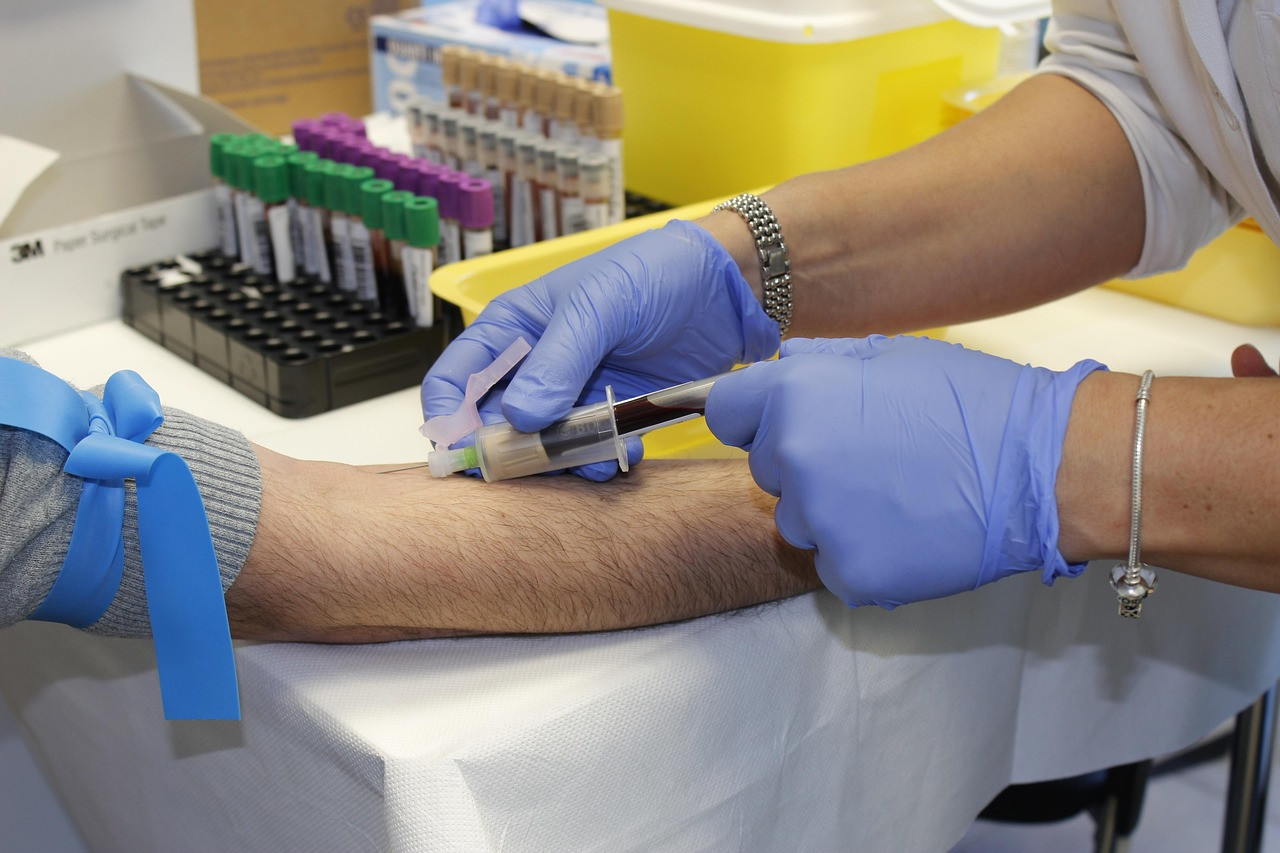
Representative image: Antonio_Corigliano / Pixabay
Attackers changed cold-room settings at three sites of France's blood service EFS through a supplier's remote system on 2 November 2026; no products were lost.
What Happened
Hackers broke into the remote monitoring and control system of cold rooms used by France's national blood service, the Établissement français du sang (EFS), and changed the temperature and defrost settings to very high levels, the service has said. The attack, on Monday, 2 November 2026, hit equipment at three EFS sites run by an outside refrigeration supplier, not EFS's own computer systems. EFS said alarms caught the change, the incident was quickly contained, and there was no impact on the blood products and samples stored there. The weekly newspaper Le Canard enchaîné reported that freezers normally kept at about minus 30°C had been set to reach 110°C, and named the supplier as Coolworld; EFS had not confirmed those details in the reports seen.
Key Facts
- Target: cold rooms and freezers used by the Établissement français du sang, France's national blood service.
- Date of attack: Monday, 2 November 2026; the incident became public on 4 November.
- What was hit: a supplier's remote monitoring and control system for refrigeration at three EFS sites.
- What the attackers did: raised the temperature and defrost thresholds to very high levels.
- Reported setting: from about minus 30°C to 110°C, according to Le Canard enchaîné; one regional outlet gave a range of 110°C to 150°C. It is not known whether the freezers actually reached those temperatures.
- EFS position: incident quickly contained, no impact on stored products or samples, and no reported leak of donor or patient data.
- Investigation: technical work continues to find out how the attack was carried out, how many machines were affected, and the timeline.
Why It Matters
Blood plasma and many medical samples must be kept frozen at precise temperatures. If cold storage fails for long enough, products can be ruined, and replacing them depends on donors. An attack that pushes freezer settings to boiling temperatures is not about stealing data; it is about damaging physical things through their control systems. That is why security experts watch attacks on what is called operational technology, the computers and sensors that run machines, buildings and factories, more and more closely.
The EFS case shows a common weak point: the supplier. Modern refrigeration units are connected to the internet so that maintenance companies can monitor and adjust them remotely. That saves time and money, but every remote connection is also a possible way in for attackers. In this case, the attackers did not need to break into the blood service's own network; they went through the company responsible for the cold rooms.
The EFS case also comes after reports of suspected cyberattacks on supermarket freezers across six European countries this year, which suggests connected refrigeration is becoming a target. For hospitals, cold-chain logistics firms and food companies everywhere, including in India, the lesson is about basic controls: strong passwords and multi-factor login on supplier portals, limits on what remote users can change, alarms that cannot be switched off from the same system, and a manual way to override settings. In France, those alarms appear to have done their job.
Peepals timeline: On Monday, 2 November 2026, attackers changed temperature and defrost settings on cold rooms at three EFS sites through a supplier's remote system. Alarms raised the alert and the incident was contained. On Wednesday, 4 November, the attack was made public in French media, with Le Canard enchaîné reporting the 110°C setting and naming the supplier. EFS said no products or samples were affected, and the investigation is continuing.
Impact
Short-term: EFS and its supplier are checking the affected equipment and securing remote access. Blood supplies were not affected, according to EFS.
Long-term: The attack is likely to push health services and other organisations that rely on connected cold storage to review the security of supplier access and the safeguards on critical temperature settings.
Who is affected: France's blood service and its refrigeration supplier, patients who depend on blood products, and any organisation that lets suppliers control equipment remotely.
What to watch next: The findings of the technical investigation into how the attackers got in and how many machines were affected.
Key Takeaway
Hackers used a supplier's remote system to set French blood-bank freezers at three sites to extreme temperatures on 2 November 2026, but alarms caught it and no products were lost, the blood service says.
Questions and Answers
What happened in the French blood bank freezer hack?
On 2 November 2026, attackers got into a refrigeration supplier's remote monitoring system and raised temperature and defrost settings on cold rooms at three sites of France's blood service, the EFS. The incident was quickly contained.
Were any blood products damaged?
No. The Établissement français du sang said there was no impact on stored products or samples, and no leak of donor or patient data has been reported.
How hot were the freezers set?
Le Canard enchaîné reported that freezers normally kept at about minus 30°C were set to reach 110°C. It is not known whether they actually reached that temperature.
Who was the target of the cyberattack?
The attack hit a supplier that manages EFS's cold rooms, not the blood service's own IT systems. The newspaper named the supplier as Coolworld; EFS had not confirmed this in the reports.
Disclaimer: Prepared by the Peepals newsroom from publicly available sources with AI assistance. Information is accurate to the best of our knowledge at the time of publication and may change. Images may be representative. Not professional advice. Report an error via our contact page.
By Neha Kapoor, Economy CorrespondentCovers Economy and more for Peepals Business. All stories by Neha Kapoor
David Jones enters administration after 188 years in Westfield rent row
Shiprocket swings to Q2 profit as revenue rises 35% to Rs 674 crore
Get the day's stories in your inbox
Peepals Weekly: the week decoded, free. One email a week, unsubscribe in one click.
Neha Kapoor is a pen name of the Peepals Global Editorial Team, which researches, fact-checks and publishes every story. The portrait is an illustration.