
Bank of England lifts Bank Rate to 4% in 8-1 vote, warns of 5% inflation
 By Neha KapoorEconomy Correspondent, Peepals Business
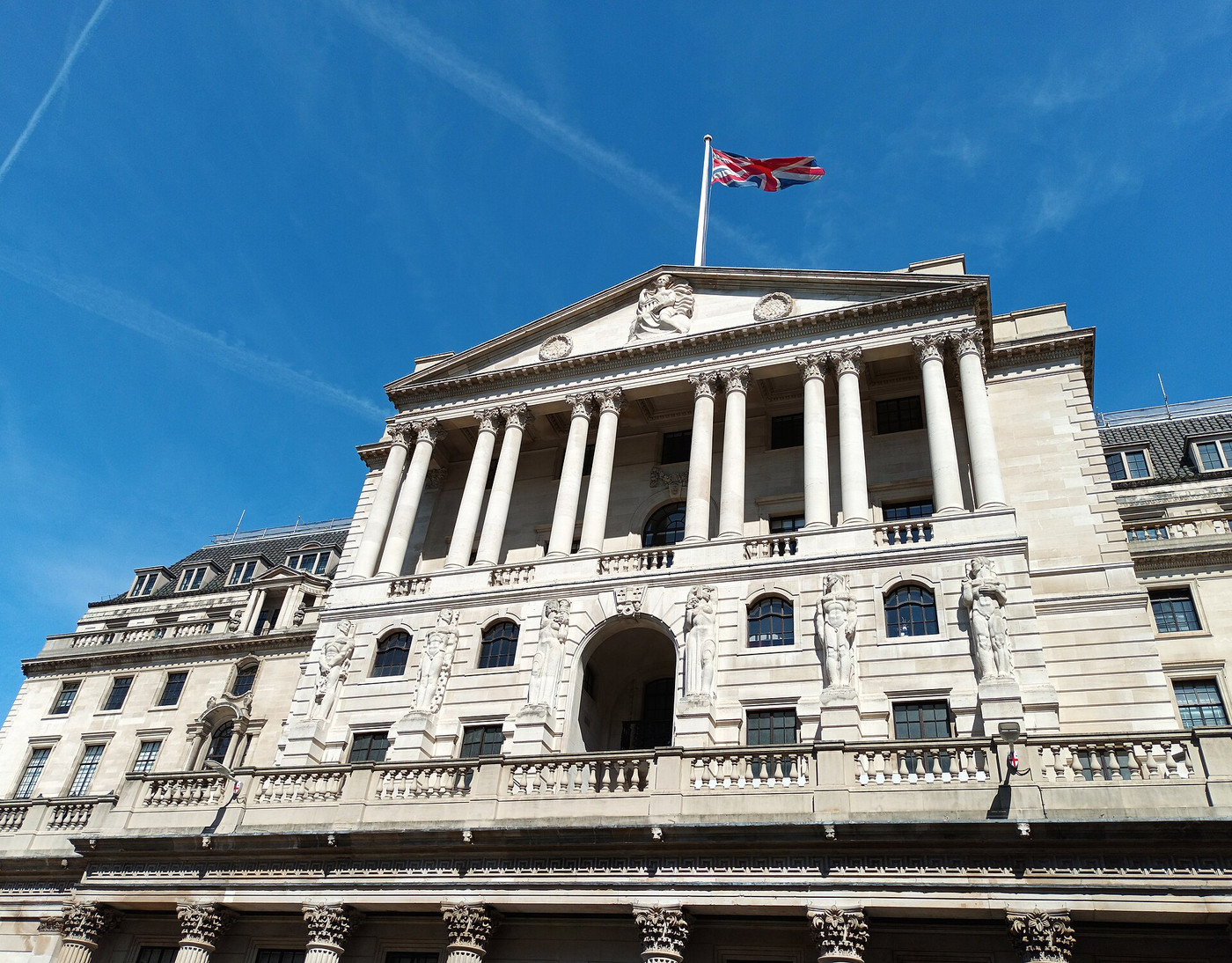
File photo: acediscovery (CC BY 4.0), via Wikimedia Commons
The Bank of England raised Bank Rate by 0.25 points to 4% on 5 November 2026, its first rise since 2023, in an 8-1 vote, warning inflation could near 5%.
What Happened
The Bank of England raised its main interest rate, Bank Rate, by 0.25 percentage points to 4% on Thursday, 5 November 2026, its first increase in more than three years. The Monetary Policy Committee voted 8-1 for the rise; the one dissenting member, Catherine Mann, wanted a bigger increase of 0.5 points, to 4.25%. The Bank linked the move to rising inflation since the conflict involving Iran began earlier this year, and it warned that inflation in the United Kingdom will approach 5%. Governor Andrew Bailey indicated the Bank would act further if there was no real progress towards settling the conflict in the Middle East, according to reports.
Key Facts
- Decision: Bank Rate raised from 3.75% to 4%, a rise of 25 basis points (0.25 percentage points).
- Date: Thursday, 5 November 2026.
- Vote: 8-1; Catherine Mann voted for a 50 basis point rise to 4.25%.
- Significance: the first rate increase since 2023.
- Outlook: the Bank warned inflation will near 5%, according to reports of its November Monetary Policy Report.
- Background: at its September meeting, the committee voted 6-3 to hold rates, with the three dissenters favouring a rise.
- Next decision: scheduled for 17 December 2026.
Why It Matters
Central banks raise interest rates to slow inflation. Higher rates make borrowing more expensive, which cools spending and, over time, price rises. The Bank of England's target is inflation of 2%, and a forecast of close to 5% means prices are rising more than twice as fast as it wants. Since the US and Israel launched airstrikes on Iran at the end of February, energy and other costs have pushed inflation up, according to reports, and the Bank has now decided that waiting is riskier than acting.
The decision marks a turn. For most of the last three years, the debate in Britain was about when and how fast to cut rates. A rise, even a small one, tells households and businesses that the period of falling borrowing costs is over for now. Borrowers on fixed-rate deals feel the change only when those deals end, while people on variable-rate loans can see higher payments sooner.
The vote is also a signal. Eight members backed a modest rise, and one wanted twice as much. With inflation forecast to near 5% and the Bank tying its next steps to the conflict in the Middle East, markets will watch closely for whether December brings another increase.
For readers in India, the decision matters in several ways. Indian students in Britain who rely on British loans or bank products may face higher costs. Indian companies that borrow or operate in Britain face dearer finance there. And a rise in UK rates, alongside other central banks' moves, can affect the flows of global money that move currencies such as the rupee.
Peepals calculation: Bank Rate rose from 3.75% to 4%, a relative increase of about 6.7% in the rate itself (0.25 ÷ 3.75 ≈ 0.067). On a variable-rate loan that tracks Bank Rate, every £100,000 borrowed would cost about £250 more in interest a year (100,000 × 0.0025 = 250). Our calculation from the reported figures.
| Bank of England decision | Detail |
|---|---|
| New Bank Rate | 4% |
| Previous Bank Rate | 3.75% |
| Vote | 8-1 (one member for 4.25%) |
| Inflation outlook (reported) | nearing 5% |
| Next decision | 17 December 2026 |
Impact
Short-term: Lenders are likely to pass the higher rate on to variable-rate mortgages and loans. Savers may see slightly better interest on deposits.
Long-term: If inflation keeps rising towards 5%, more increases are possible. If the conflict eases and energy prices fall, the Bank may be able to stop at 4%.
Who is affected: UK households with mortgages and loans, savers, businesses that borrow, and overseas students and firms with money in Britain.
What to watch next: The Bank of England's next decision on 17 December 2026, and whether the conflict in the Middle East shows real progress towards settlement.
Key Takeaway
The Bank of England raised Bank Rate to 4% on 5 November 2026, its first rise in over three years, by an 8-1 vote, warning inflation could near 5%.
Questions and Answers
Did the Bank of England raise interest rates?
Yes. On 5 November 2026, the Bank of England raised Bank Rate by 0.25 percentage points to 4%, its first increase since 2023.
How did the Bank of England committee vote?
The vote was 8-1. Catherine Mann wanted a larger rise of 0.5 points, to 4.25%.
Why did the Bank of England raise rates?
Inflation has been rising since the conflict involving Iran began in February, and the Bank warned it will near 5%, well above its 2% target.
When is the next Bank of England decision?
The next decision is scheduled for 17 December 2026.
Disclaimer: Prepared by the Peepals newsroom from publicly available sources with AI assistance. Information is accurate to the best of our knowledge at the time of publication and may change. Images may be representative. Not professional advice. Report an error via our contact page.
By Neha Kapoor, Economy CorrespondentCovers Economy and more for Peepals Business. All stories by Neha Kapoor
Nagarkurnool drought: banks told to restructure Rs 1,778 crore farm loans
David Jones enters administration after 188 years in Westfield rent row
Get the day's stories in your inbox
Peepals Weekly: the week decoded, free. One email a week, unsubscribe in one click.
Neha Kapoor is a pen name of the Peepals Global Editorial Team, which researches, fact-checks and publishes every story. The portrait is an illustration.