
Supermarket freezers hit by suspected cyberattack across six European countries
 By Pooja MehraIndustry Trends Analyst, Peepals Tech
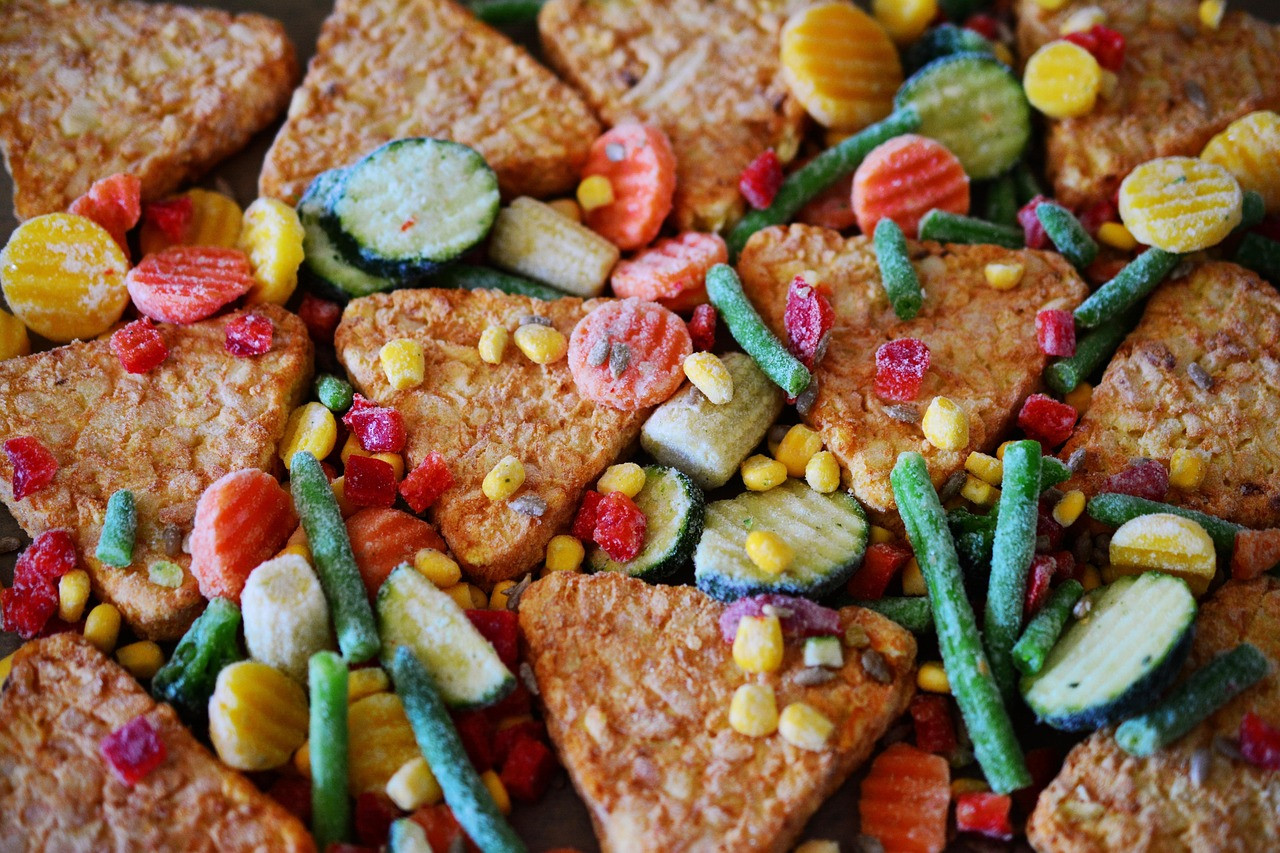
Representative image: congerdesign / Pixabay
Supermarket freezers and fridges in six European countries warmed overnight on November 1-2, 2026 in a suspected cyberattack; Belgium has opened an investigation.
What Happened
Supermarket freezers and fridges in at least six European countries warmed up overnight in what retailers and a refrigeration contractor described as a suspected cyberattack. The problems began in the night of Sunday, November 1 to Monday, November 2, 2026, and hit stores in Belgium, Luxembourg, the Netherlands, Sweden, Ireland and Estonia. Ahold Delhaize and Colruyt reported an overnight IT incident affecting cooling in their Belgian and Luxembourg shops, Irish chain SuperValu pulled chilled and frozen food from 13 stores, and Belgium's federal prosecutor's office opened an investigation. No group has claimed responsibility. The wave came weeks after a similar attack on cooling units at hundreds of supermarkets in France in October.
Key Facts
- Countries affected: Belgium, Luxembourg, the Netherlands, Sweden, Ireland and Estonia, according to reports on November 2, 2026.
- Ahold Delhaize, owner of Delhaize and Albert Heijn, described an "IT incident" affecting refrigeration in several stores; Colruyt said five of its shops had their fridge systems attacked.
- Carrefour said 15 of its roughly 700 stores in Belgium were affected and called the impact extremely limited.
- In Sweden, Coop said six stores had similar incidents; one ICA store said on social media that its fridges and freezers had been set to 50°C.
- Musgrave, owner of SuperValu in Ireland, removed chilled and frozen products from 13 stores and said a specific model of refrigeration system was affected.
- The chief executive of Sabcobel, the Belgian firm that runs Delhaize's cooling systems, said the units' evaporators had been switched into defrost mode.
- Belgium's federal prosecutor has opened an investigation; the Paris prosecutor is already investigating October's French attack.
Why It Matters
A supermarket cooling system is a network of compressors, evaporators and sensors. The evaporator is the cold coil inside the cabinet that pulls heat out of the air. Every few hours it is switched into defrost mode, a short warm cycle that melts the ice building up on it. Modern systems are managed remotely over the internet, so engineers can watch temperatures and change settings without visiting the store. That convenience is also the weak point: according to the Sabcobel chief, someone used that access to put the units into defrost mode and keep them there, so the cabinets slowly warmed through the night while shops were closed.
The damage is mostly food. Chilled and frozen goods that rise above safe temperatures for too long have to be thrown away, which is why SuperValu cleared its shelves in 13 stores. The Sabcobel chief said technicians were mobilised from 1 am to disconnect the affected units from the network.
The pattern matters more than any single store. The French attack in October reportedly pushed temperatures as high as 50°C in some freezers at chains including E.Leclerc, Intermarché, Carrefour and Monoprix. Two waves in a few weeks, across several countries and many retail groups, point to a shared weakness in connected refrigeration equipment rather than a problem at one chain. One cybersecurity researcher noted that no ransom demand has been reported, which points to sabotage rather than extortion. That remains an assessment, not a finding: neither investigation has named a culprit.
For the technology industry, the episode is a reminder that "smart" equipment in shops, warehouses and factories is now part of the attack surface. Operational technology, the hardware that runs physical processes, was long kept off the internet. Remote management has changed that, and security has not always kept pace.
Peepals calculation: The retailers that gave store counts reported at least 39 affected stores between them: Carrefour 15, SuperValu 13, Coop 6 and Colruyt 5 (15 + 13 + 6 + 5 = 39). Ahold Delhaize and Colruyt together reported problems in dozens of stores without an exact Delhaize figure, so the real total is higher. For Carrefour Belgium, 15 of about 700 stores is about 2% (15 ÷ 700 ≈ 0.021). Our calculation from the reported figures.
| Retailer | Country | Stores reported affected |
|---|---|---|
| Carrefour | Belgium | 15 of about 700 |
| SuperValu (Musgrave) | Ireland | 13 |
| Coop | Sweden | 6 |
| Colruyt | Belgium | 5 |
| Delhaize (Ahold Delhaize) | Belgium, Luxembourg | Several, no exact figure |
Impact
Short-term: Affected stores are throwing away spoiled chilled and frozen stock, and, as Sabcobel described, disconnecting affected cooling units from the network.
Long-term: Retailers and their refrigeration contractors face questions about how remote access to cooling systems is secured. If investigators confirm one equipment model as the common link, its maker and users across Europe will come under scrutiny.
Who is affected: Supermarket chains in six countries and their staff; refrigeration service firms such as Sabcobel; shoppers who found gaps on chilled and frozen shelves; and any business that runs internet-connected cooling, from cold stores to pharmacies.
What to watch next: The findings of Belgium's federal prosecutor and of the Paris prosecutor's cybercrime investigation into the October attack.
Key Takeaway
A suspected cyberattack switched supermarket freezers across six European countries into a warming cycle on November 1-2, 2026, spoiling food in dozens of stores weeks after a similar attack in France.
Questions and Answers
What happened to supermarket freezers in Europe?
On the night of November 1-2, 2026, fridges and freezers in supermarkets in Belgium, Luxembourg, the Netherlands, Sweden, Ireland and Estonia warmed up in what retailers called a suspected cyberattack. The cooling units were reportedly switched into defrost mode remotely.
Which supermarket chains were hit?
Delhaize, Colruyt and Carrefour in Belgium, SuperValu in Ireland, Coop and ICA stores in Sweden, and Ahold Delhaize stores in the Netherlands, among others.
Who is behind the fridge cyberattack?
Nobody knows yet. No group has claimed responsibility, Belgium's federal prosecutor has opened an investigation, and the Paris prosecutor is investigating the earlier French attack.
What did supermarkets do with the food?
Stores removed chilled and frozen products that may have warmed; SuperValu, for example, cleared them from 13 stores. The reports on November 2 did not mention any harm to customers.
Disclaimer: Prepared by the Peepals newsroom from publicly available sources with AI assistance. Information is accurate to the best of our knowledge at the time of publication and may change. Images may be representative. Not professional advice. Report an error via our contact page.
By Pooja Mehra, Industry Trends AnalystCovers Industry News & Trends and more for Peepals Tech. All stories by Pooja Mehra
AstraZeneca $1.5 billion savings plan: no net job cuts, AI reskilling
Squarespace lays off 19% of staff, about 300 jobs, mostly in engineering
Get the day's stories in your inbox
Peepals Weekly: the week decoded, free. One email a week, unsubscribe in one click.
Pooja Mehra is a pen name of the Peepals Global Editorial Team, which researches, fact-checks and publishes every story. The portrait is an illustration.