
Broken rice export curbs may return as prices top $360: IREF
 By Neha KapoorEconomy Correspondent, Peepals Business
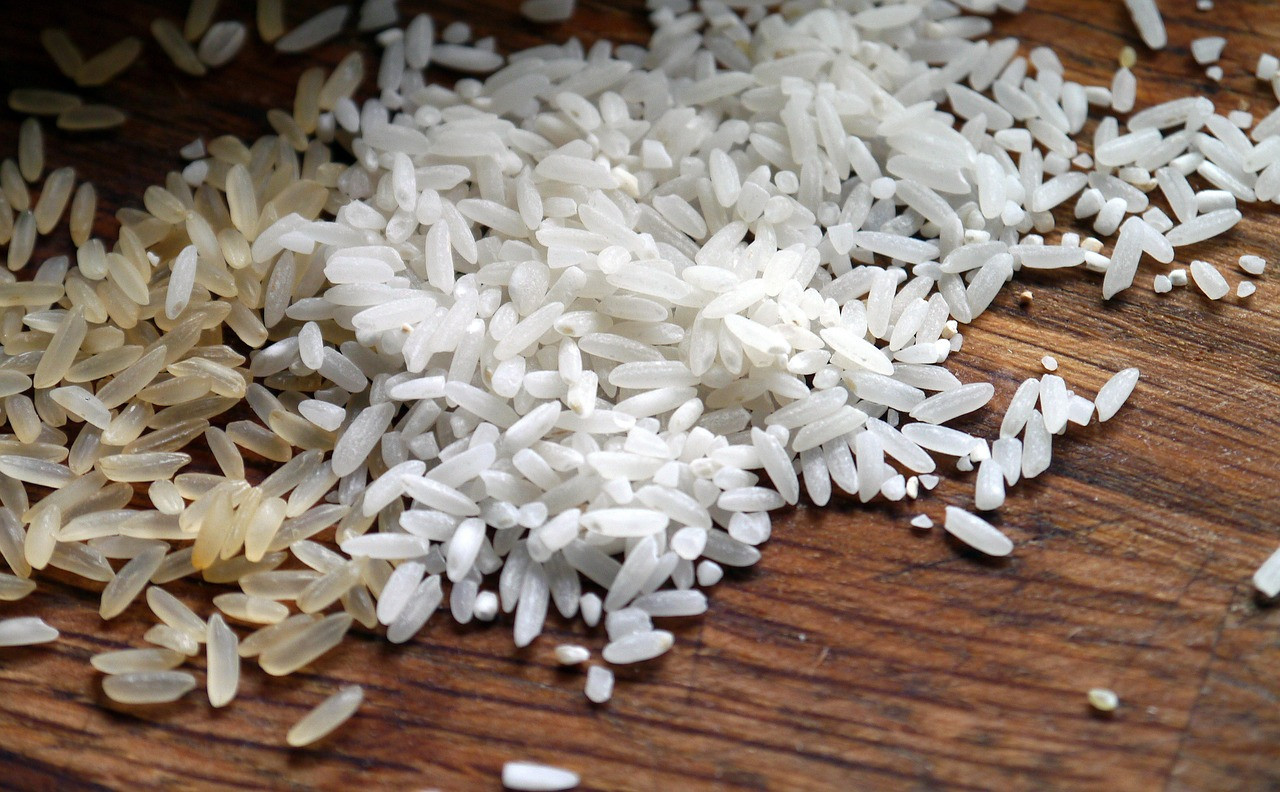
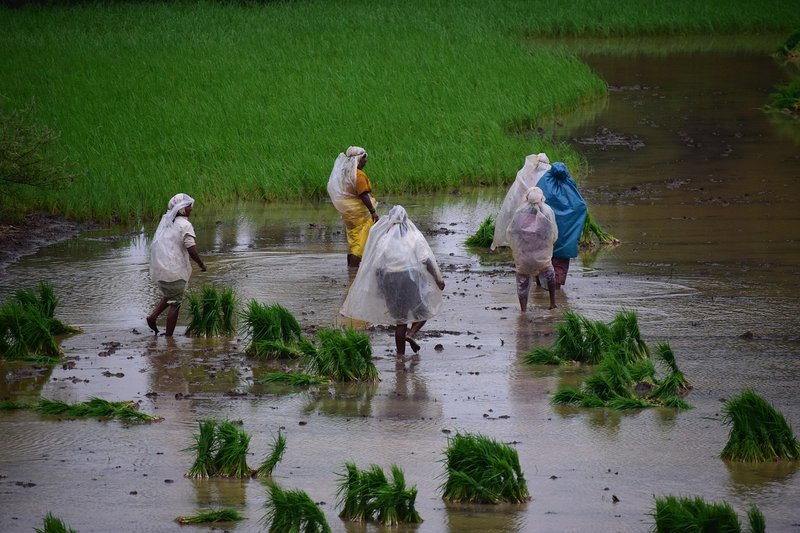
Representative image: ImageParty / Pixabay
Rice exporters' body IREF warned on 3 November 2026 that broken rice export curbs may return as world prices crossed $360 a tonne.
What Happened
Broken rice export curbs could return, the Indian Rice Exporters' Federation (IREF) warned on Tuesday, 3 November 2026, after international prices for 100% broken rice rose above $360 a tonne. The federation's Director General, Vinod Kaul, said the rise "warrants serious attention" and that, if the trend continues, "the possibility of restrictions on broken rice exports cannot be ruled out". No new restriction has been announced by the government so far.
Key Facts
- IREF said international prices for 100% broken rice have crossed $360 a tonne.
- The federation linked the rise to growing industrial demand for broken rice, especially from ethanol makers, poultry feed and other industries.
- According to Department of Consumer Affairs figures cited in the federation's statement, the all-India average wholesale price of broken rice was Rs 3,036 a quintal on Monday, 2 November 2026, against Rs 2,883 on Saturday, 10 October.
- Wholesale price inflation for broken rice rose to 5.38% year on year in September 2026, from 4.37% in August, the federation said.
- India banned broken rice exports from 9 September 2022; on 7 March 2025 the Directorate General of Foreign Trade (DGFT) moved them back from "Prohibited" to "Free".
- IREF has asked the government to consult the industry before any curb and to give a transition window for contracts already signed.
Why It Matters
Broken rice is the grain that cracks during milling. It sells for less than whole rice, but the federation says it has become an industrial input with steady buyers among feed makers and distilleries. For rice millers, its price is part of what they earn from every tonne of paddy they process.
The federation's warning matters because India has acted on this grain before. In September 2022 the government banned broken rice exports to protect domestic supply and to keep feed and ethanol makers supplied. That ban stayed in place until March 2025, when the DGFT made exports free again. The federation is now saying the same conditions that led to the 2022 decision, rising domestic prices and heavy industrial demand, are appearing again.
The main new force is ethanol. India's ethanol-blending programme, which mixes ethanol made from grain and sugarcane into petrol, has pushed up demand for feedstocks such as broken rice, maize and surplus rice supplied by the Food Corporation of India (FCI), the federation said. When distilleries compete with feed makers and exporters for the same grain, domestic prices rise, and that is the trigger the government has watched in the past.
Peepals calculation: the average wholesale price rose from Rs 2,883 to Rs 3,036 a quintal between 10 October and 2 November, an increase of Rs 153, or about 5.3% in 23 days (153 ÷ 2,883 ≈ 0.053). Wholesale inflation for the grain also rose by about one percentage point in a single month, from 4.37% in August to 5.38% in September (5.38 − 4.37 = 1.01). Our calculation from the reported figures.
| Measure | Earlier figure | Latest figure |
|---|---|---|
| All-India average wholesale price (Rs a quintal) | 2,883 (10 October 2026) | 3,036 (2 November 2026) |
| Wholesale price inflation, year on year | 4.37% (August 2026) | 5.38% (September 2026) |
| International 100% broken rice price | not given | above $360 a tonne |
For exporters, the risk is in contracts signed ahead of shipment. A sudden curb could leave sold cargoes unshipped. This is why the federation has asked for consultation and a transition window, and has advised its members to be careful about new forward contracts and to keep watching domestic prices, the arrival of paddy at mills and demand from the ethanol sector.
Impact
Short-term: Exporters are likely to be cautious about signing new forward deals for broken rice while the price stays above $360 a tonne, as the federation has advised. Mills may hold back some stock until the policy picture is clearer.
Long-term: If the government restricts exports again, more broken rice would stay in India, which could ease costs for feed and ethanol makers but cut export earnings for millers and traders. If it does not act, the grain's domestic price will depend on how much the ethanol programme keeps drawing from the same supply.
Who is affected: Rice millers and exporters, poultry and animal feed makers, grain-based ethanol distilleries and overseas buyers of Indian broken rice.
What to watch next: Whether the government or the DGFT announces any change to the "Free" export status of broken rice, and whether the Department of Consumer Affairs' wholesale price keeps rising above Rs 3,036 a quintal.
Key Takeaway
The rice exporters' body has warned that broken rice prices above $360 a tonne, driven largely by ethanol demand, could lead India to restrict exports again, as it did from September 2022 to March 2025.
Questions and Answers
Why did the Indian Rice Exporters' Federation warn of broken rice export curbs?
On 3 November 2026 the federation said international prices for 100% broken rice had crossed $360 a tonne and domestic prices were rising, mainly because ethanol, feed and other industries are buying more of the grain. Its Director General, Vinod Kaul, said restrictions cannot be ruled out if the trend continues.
Has India banned broken rice exports now?
No. As of the federation's statement, the government had not announced any new restriction. Broken rice exports have been in the "Free" category since 7 March 2025, when the DGFT lifted the ban that began on 9 September 2022.
How much have broken rice prices risen in India?
According to Department of Consumer Affairs figures cited by the federation, the all-India average wholesale price rose from Rs 2,883 a quintal on 10 October 2026 to Rs 3,036 on 2 November 2026, about 5.3% higher.
What has the exporters' federation asked the government to do?
It has asked the government to consult the industry before imposing any curb and to allow a transition period so that contracts already signed can be shipped.
Disclaimer: Prepared by the Peepals newsroom from publicly available sources with AI assistance. Information is accurate to the best of our knowledge at the time of publication and may change. Images may be representative. Not professional advice. Report an error via our contact page.
By Neha Kapoor, Economy CorrespondentCovers Economy and more for Peepals Business. All stories by Neha Kapoor
Get the day's stories in your inbox
Peepals Weekly: the week decoded, free. One email a week, unsubscribe in one click.
Neha Kapoor is a pen name of the Peepals Global Editorial Team, which researches, fact-checks and publishes every story. The portrait is an illustration.