
India flash PMI hits four-month high of 56.7 in October as services grow
 By Neha KapoorEconomy Correspondent, Peepals Business
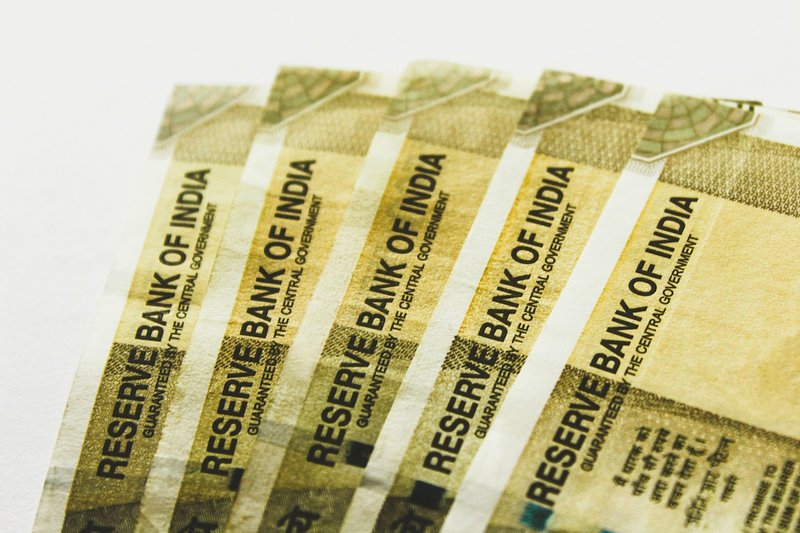
Representative image: Bru-nO / Pixabay
India's HSBC flash composite PMI rose to 56.7 in October 2026 from 55.9, a four-month high led by services, while hiring slowed to its weakest pace this year.
What Happened
Growth in India's private sector picked up to a four-month high in October 2026, led by services, according to the HSBC Flash India PMI survey released on Friday, 23 October 2026. The flash composite output index, which combines manufacturing and services, rose to 56.7 in October from 55.9 in September. The services index climbed to 56.2 from 55.2, while the manufacturing index slipped slightly to 54.9 from 55.1. The survey also showed that hiring rose at its slowest pace so far this year, while input cost inflation eased for a seventh month.
Key Facts
- HSBC Flash India Composite PMI output index: 56.7 in October 2026, up from 55.9 in September, a four-month high.
- Flash Services PMI business activity index: 56.2, up from 55.2.
- Flash Manufacturing PMI: 54.9, down from 55.1, as job creation in factories slowed.
- The composite index has stayed above 50, the line between growth and contraction, for the 63rd month in a row.
- Employment rose only marginally, at the slowest pace so far in 2026.
- Input costs rose at a slower pace for the seventh straight month, and new export orders grew at the fastest pace since June 2025, according to HSBC's chief India economist.
- These are preliminary readings; final figures are due in November.
Why It Matters
A Purchasing Managers' Index (PMI) is a monthly survey of company executives, asking whether output, new orders, employment, prices and other measures rose, fell or stayed the same compared with the previous month. The answers are turned into an index where 50 means no change; above 50 means growth and below 50 means contraction. The further from 50, the faster the change. A "flash" PMI is an early estimate based on most of the month's responses, released before the final figure, which is why markets and policymakers watch it as one of the first signals of how the economy is doing in a given month.
The October numbers point to steady expansion rather than a sharp acceleration. Services, which make up the larger part of India's economy and include banking, retail, transport, IT and hospitality, drove the improvement. The festive season, with Navratri and Dussehra falling in October this year, typically lifts spending on travel, shopping and eating out. Manufacturing remained comfortably in growth territory, but its small dip and the slowdown in factory hiring suggest companies are cautious about adding staff.
Two details matter for households and the Reserve Bank of India. First, input costs, what companies pay for raw materials, fuel and other inputs, rose more slowly for the seventh month in a row. That eases pressure on companies to raise their own prices, which feeds through to consumer inflation. Second, the weak hiring is a reminder that growth in output is not yet translating into many new jobs. The pick-up in export orders, the strongest since June 2025, is a positive sign at a time when crude oil prices are high and global growth is uncertain.
| | Index (HSBC Flash India PMI) | October 2026 | September 2026 | |
|---|---|---|
| | Composite output | 56.7 | 55.9 | |
| | Services business activity | 56.2 | 55.2 | |
| | Manufacturing | 54.9 | 55.1 | |
Impact
Short-term: The flash data suggest the economy entered the October–December quarter with steady momentum, supported by festive demand in services. Businesses selling to consumers may see stronger orders, while factories remain cautious about hiring.
Long-term: Slower input cost increases, if they continue, would help keep consumer price inflation in check, which the RBI weighs in setting interest rates. The weak pace of job creation, though, is a concern for incomes and spending over the coming months, and the final PMI readings and official data will show whether the October trend holds.
Who is affected: Service businesses such as retail, travel and hospitality that benefit from festive spending; manufacturers managing costs and staffing; exporters seeing more orders; job seekers, given the slow pace of hiring; and the RBI and investors who track early indicators of growth and inflation.
Key Takeaway
India's HSBC flash composite PMI rose to a four-month high of 56.7 in October 2026 on stronger services, but hiring slowed to its weakest pace this year.
Questions and Answers
What was India's flash PMI for October 2026?
The HSBC Flash India Composite PMI output index was 56.7 in October 2026, up from 55.9 in September. The services index rose to 56.2 from 55.2, and the manufacturing index slipped to 54.9 from 55.1.
What does a PMI above 50 mean?
A reading above 50 means business activity expanded compared with the previous month; below 50 means it contracted. India's composite index has been above 50 for 63 consecutive months.
Why is the October PMI called "flash"?
A flash PMI is a preliminary estimate based on most of the month's survey responses, released before the final reading. The final October figures are due in November.
What did the survey say about jobs and prices?
Employment rose only marginally, at the slowest pace so far in 2026, while input costs rose at a slower pace for the seventh month in a row, easing price pressures on companies.
Disclaimer: Prepared by the Peepals newsroom from publicly available sources with AI assistance. Information is accurate to the best of our knowledge at the time of publication and may change. Images may be representative. Not professional advice. Report an error via our contact page.
By Neha Kapoor, Economy CorrespondentCovers Economy and more for Peepals Business. All stories by Neha Kapoor
Bengal to pay paddy farmers Rs 200 a quintal above MSP, says Suvendu
SEBI plans broker terminal safeguards, graded compliance, short selling review
Neha Kapoor is a pen name of the Peepals Global Editorial Team, which researches, fact-checks and publishes every story. The portrait is an illustration.