

RBI Bulletin: exports, capital inflows steady India as West Asia lifts inflation
 By Neha KapoorEconomy Correspondent, Peepals Business
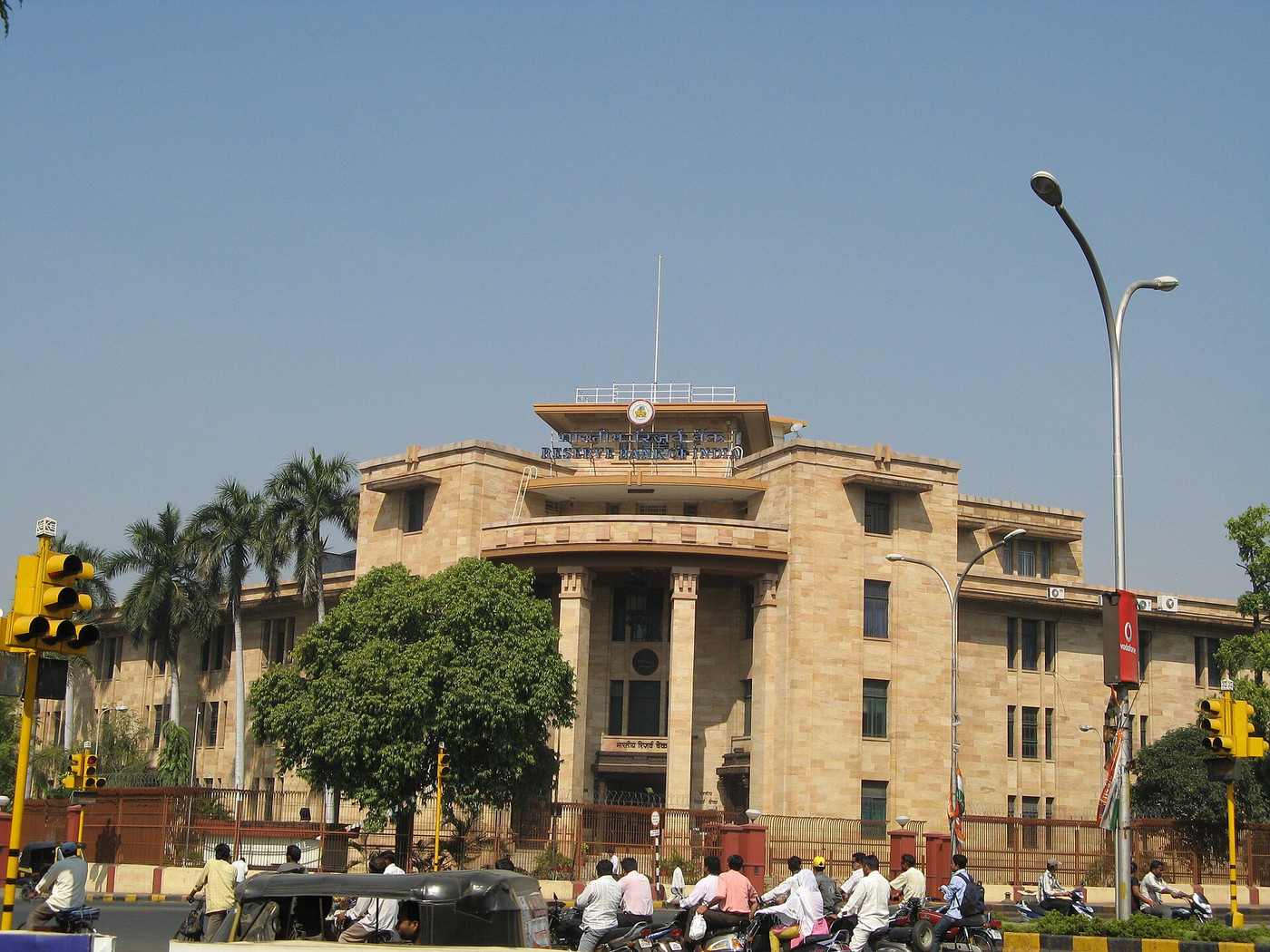
File photo: Gppande (CC BY-SA 3.0), via Wikimedia Commons
The RBI's October 2026 Bulletin, released on October 23, says strong fundamentals and policy steps are steadying India's economy as West Asia tensions push up inflation.
What Happened
The Reserve Bank of India's monthly Bulletin for October 2026, released on Thursday, October 23, says the Indian economy is being held steady by solid macroeconomic fundamentals and policy measures, even as renewed tensions in West Asia and supply chain disruptions push up inflation around the world. The Bulletin's "State of the Economy" article points to strong high-frequency indicators in industry and services, double-digit growth in merchandise exports in the first half of 2026-27, stronger capital inflows and a firmer rupee after the central bank's recent steps against currency speculation.
Key Facts
- The October 2026 RBI Bulletin was released on October 23, 2026, with "State of the Economy" as its lead article.
- It says renewed geopolitical frictions in West Asia and supply chain disruptions have amplified inflationary pressures, prompting major central banks to raise policy rates.
- High-frequency indicators, the monthly data on output, sales and activity, showed strength across both industry and services.
- Merchandise exports grew at double-digit rates in the first six months of 2026-27 (April to September), which helped narrow the trade deficit.
- Foreign direct investment, external commercial borrowings and remittances strengthened in August, and inflows under the FCNR(B) deposit swap window added to foreign exchange reserves.
- The rupee, which had a depreciating bias until early October, gained after the RBI's measures to curb speculative activity in the foreign exchange market.
- The article notes the International Monetary Fund has upgraded the global outlook for 2026 and 2027, with significant downside risks, and flags elevated bond yields in advanced economies and fresh US tariffs as global risks.
Why It Matters
The Bulletin's economy article is the central bank's monthly reading of where the economy stands. This month's reading comes at a sensitive time. Earlier in October, the RBI raised its policy rate for the first time since 2023, citing inflation risks, after a period of rate cuts. The Bulletin's message is that the economy's underlying strength has not been knocked off course, but that inflation imported through energy and supply chains is the main threat.
For businesses, the export figures are the most encouraging part. Double-digit growth in goods exports over six months, at a time of global tension and US tariffs, means more orders for manufacturers and less pressure on the current account. A narrower trade deficit, in turn, reduces the country's need for foreign money to pay for imports.
For the currency, the Bulletin confirms what markets have seen in recent weeks. The rupee had been weakening until early October. After the RBI tightened rules to curb speculative bets in the currency market, it recovered. Stronger inflows of foreign investment, overseas borrowing by companies, remittances from Indians abroad and deposits through the FCNR(B) swap window have added to the reserves the RBI uses to manage the rupee.
For households, the warning on inflation matters most. India is a net importer of energy, so conflict in West Asia raises the cost of fuel and transport, which then spreads to food and other goods. Higher inflation is why the RBI has raised interest rates, which means costlier loans for homes, vehicles and businesses.
| Indicator in the Bulletin | Direction |
|---|---|
| Industry and services activity | Strong |
| Merchandise exports, April-September 2026 | Double-digit growth |
| Trade deficit | Narrowed |
| FDI, ECBs and remittances (August) | Stronger |
| Rupee since early October | Firmer |
Impact
Short-term: With inflation pressures flagged by the central bank itself, further rate increases cannot be ruled out, and borrowers should expect loan rates to stay high. Exporters benefit from strong demand, while importers of oil-linked goods face higher costs.
Long-term: If exports keep growing and capital inflows stay steady, India will be better placed to absorb global shocks without large swings in the rupee. The main risk is a prolonged conflict in West Asia that keeps energy prices and inflation high for longer.
Who is affected: Borrowers and savers, exporters and importers, companies raising money abroad, families who receive remittances, investors in bonds and shares, and households facing higher prices for fuel and food.
Key Takeaway
The RBI's October 2026 Bulletin says strong exports, steady capital inflows and policy action are holding India's economy steady, while West Asia tensions keep inflation as the main risk.
Questions and Answers
What does the RBI Bulletin for October 2026 say about the economy?
Released on October 23, 2026, it says the Indian economy is anchored by solid fundamentals and policy measures, with strong indicators in industry and services, double-digit export growth in the first half of 2026-27 and stronger capital inflows.
Why is inflation rising, according to the RBI Bulletin?
The Bulletin says renewed geopolitical frictions in West Asia and supply chain disruptions have amplified inflationary pressures, leading major central banks to raise interest rates.
What happened to the rupee?
The Bulletin says the rupee had a depreciating bias until early October but gained after the RBI took measures to curb speculative activity in the foreign exchange market.
What are the main risks to India's economy?
The Bulletin names geopolitical tensions in West Asia, fresh US tariffs and elevated government bond yields in advanced economies as the key global risks.
Disclaimer: Prepared by the Peepals newsroom from publicly available sources with AI assistance. Information is accurate to the best of our knowledge at the time of publication and may change. Images may be representative. Not professional advice. Report an error via our contact page.
By Neha Kapoor, Economy CorrespondentCovers Economy and more for Peepals Business. All stories by Neha Kapoor
Reliance Jio IPO subscription status: record issue ends with 22x demand
Dow drops 653 points as Brent hits $116.72, highest since 2022
Neha Kapoor is a pen name of the Peepals Global Editorial Team, which researches, fact-checks and publishes every story. The portrait is an illustration.