
Cane protests stall crushing in north Karnataka; CM Shivakumar writes to PM
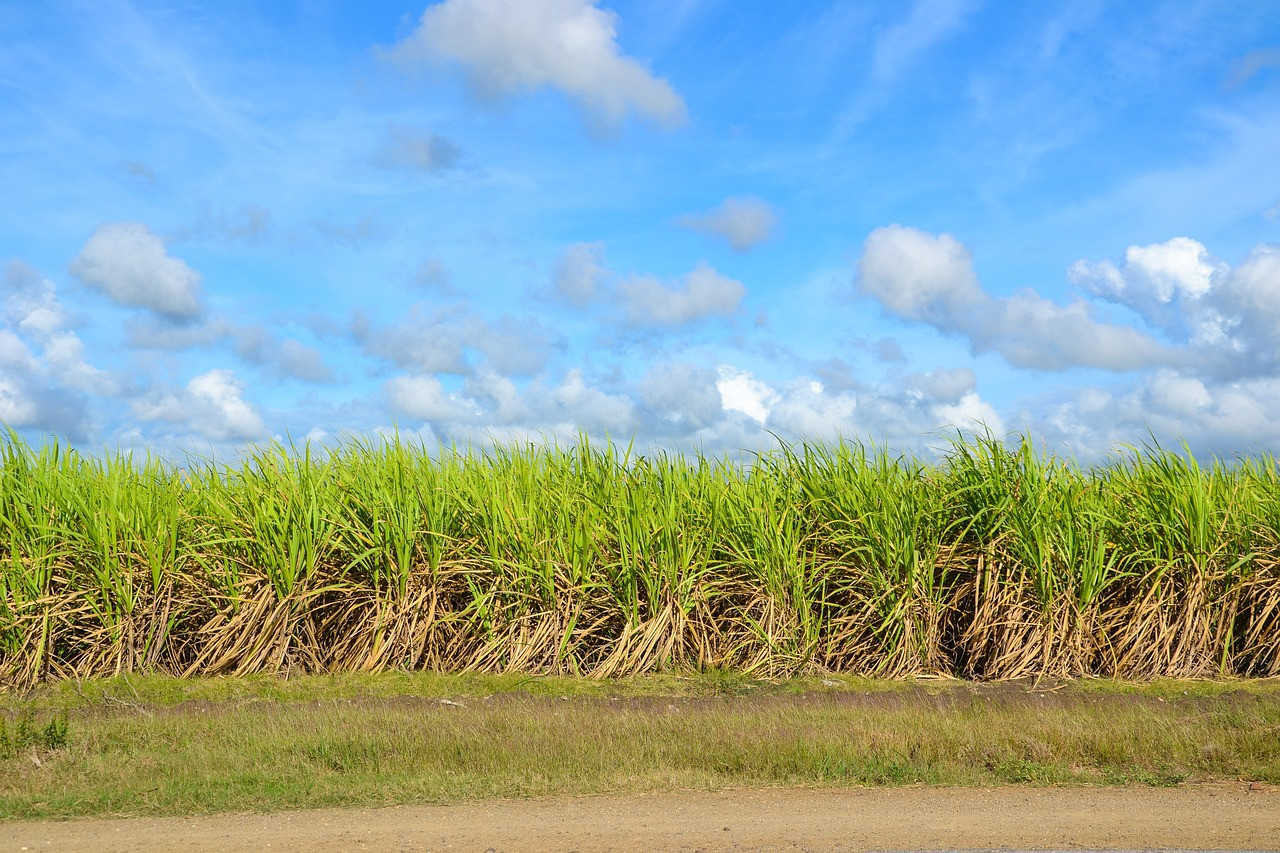
Representative image: Anemone123 / Pixabay
Karnataka CM D.K. Shivakumar wrote to PM Modi on October 19, 2026 as sugarcane farmers' protests over cane prices kept mills in north Karnataka from starting crushing.
What Happened
Karnataka Chief Minister D.K. Shivakumar wrote to Prime Minister Narendra Modi on October 19, 2026, seeking urgent central intervention as protests by sugarcane farmers have stopped the crushing season from starting in north Karnataka. In the letter, the Chief Minister said farmers had told the state that their main demands fall under the Centre's authority and that they would not call off their agitation without an assurance from the Government of India. Farmers have been demanding a much higher price for cane, and protests have included road blockades and a march towards Hubballi.
Key Facts
- The Chief Minister's letter to the Prime Minister is dated October 19, 2026.
- According to the letter, crushing has not begun in north Karnataka because of the protests.
- Farmers' groups, including the Karnataka Rajya Raitha Sangha and Hasiru Sene, are demanding that the cane price be raised to Rs 5,500 a tonne, with some groups seeking up to Rs 6,000.
- They also want the minimum selling price of sugar raised from Rs 31 to Rs 60 a kg and all ethanol made by sugar factories to be bought by oil companies.
- Protests have spread across districts including Belagavi, Bagalkot, Vijayapura, Kalaburagi, Koppal, Haveri and Dharwad, and protesters blocked National Highway 48 in Belagavi.
- The Chief Minister's letter said the High Court had issued directions restraining a proposed protest at the residence of a Union Minister in Hubballi.
- In neighbouring Maharashtra, only 15 of 55 mills had begun crushing by October 15 amid a separate cane growers' protest.
Why It Matters
Sugarcane is one of India's most important cash crops, and north Karnataka, around Belagavi, Bagalkot and Vijayapura, is one of the country's major cane belts. Cane must be crushed soon after it is harvested, or it dries out and loses sugar. Every week of delay at the start of the season can therefore hurt both farmers, whose standing crop ages in the field, and mills, which have to fit the season's crushing into fewer days.
The dispute turns on who sets the price. The Centre fixes the fair and remunerative price (FRP), the minimum that mills must pay farmers per tonne of cane, linked to how much sugar the cane yields. State governments can add a State Advised Price on top. The Centre also sets the minimum price at which mills can sell sugar, and decides how much sugar can go into ethanol. Farmers argue that cane prices have not kept pace with their costs, and that mills can only pay more if sugar's minimum selling price and ethanol purchases rise, which is why they are pressing the Centre rather than only the state. The Chief Minister's letter also argued that the sugar content of cane depends on soil, climate and crushing schedules, factors farmers do not fully control.
The protests come during the festive season, when sugar demand is high. A delayed start in both Karnataka and Maharashtra, two major cane-growing states, could tighten supply in the short term. The Centre has set up a high-level committee to examine sugarcane farmers' issues, which may become the forum for any settlement.
| Demand | Current position |
|---|---|
| Cane price | Farmers seek Rs 5,500 to Rs 6,000 a tonne |
| Sugar minimum selling price | Farmers seek Rs 60 a kg, up from Rs 31 |
| Ethanol | Farmers want all factory ethanol bought by oil companies |
| Who decides | Centre sets FRP and sugar price; states may add a State Advised Price |
Impact
Short-term: Mills in north Karnataka remain idle while the protests continue, and cane harvesting is held up. Traffic disruption from road blockades affects travel and freight in the affected districts.
Long-term: The outcome may shape how cane prices, sugar's minimum selling price and ethanol purchases are set for the coming years. A long standoff risks lower sugar recovery from ageing cane and income losses for farmers and mill workers.
Who is affected: Sugarcane farmers and harvest labourers in north Karnataka and Maharashtra, sugar mills and their workers, transporters, consumers who buy sugar during the festive season, and oil companies that buy ethanol for blending with petrol.
Key Takeaway
Protests over cane and sugar prices have kept north Karnataka's mills from starting the crushing season, and the state has asked the Centre to step in because the key price levers are central.
Questions and Answers
Why are sugarcane farmers protesting in Karnataka?
They want a far higher price for cane, Rs 5,500 to Rs 6,000 a tonne, a rise in sugar's minimum selling price from Rs 31 to Rs 60 a kg, and assured purchase of all ethanol made by sugar factories.
Why has the Karnataka Chief Minister written to the Prime Minister?
Because, according to his October 19, 2026 letter, the farmers' main demands, such as the cane FRP and sugar's minimum selling price, are decided by the Centre, and farmers have said they will not end the agitation without a central assurance.
Has the crushing season started in Karnataka?
Not in north Karnataka, according to the Chief Minister's letter. In Maharashtra, only 15 of 55 mills had started crushing by October 15.
What is the FRP for sugarcane?
The fair and remunerative price is the minimum price per tonne that sugar mills must pay farmers for cane, fixed by the central government and linked to the cane's sugar recovery rate. States can announce a higher State Advised Price.
Disclaimer: Prepared by the Peepals newsroom from publicly available sources with AI assistance. Information is accurate to the best of our knowledge at the time of publication and may change. Images may be representative. Not professional advice. Report an error via our contact page.
Sourced and fact-checked by the Peepals Global Editorial Team
Reported, fact-checked and published by the Peepals Global Editorial Team.