
US announces $8 billion Harvest Fuel Relief payments for farmers
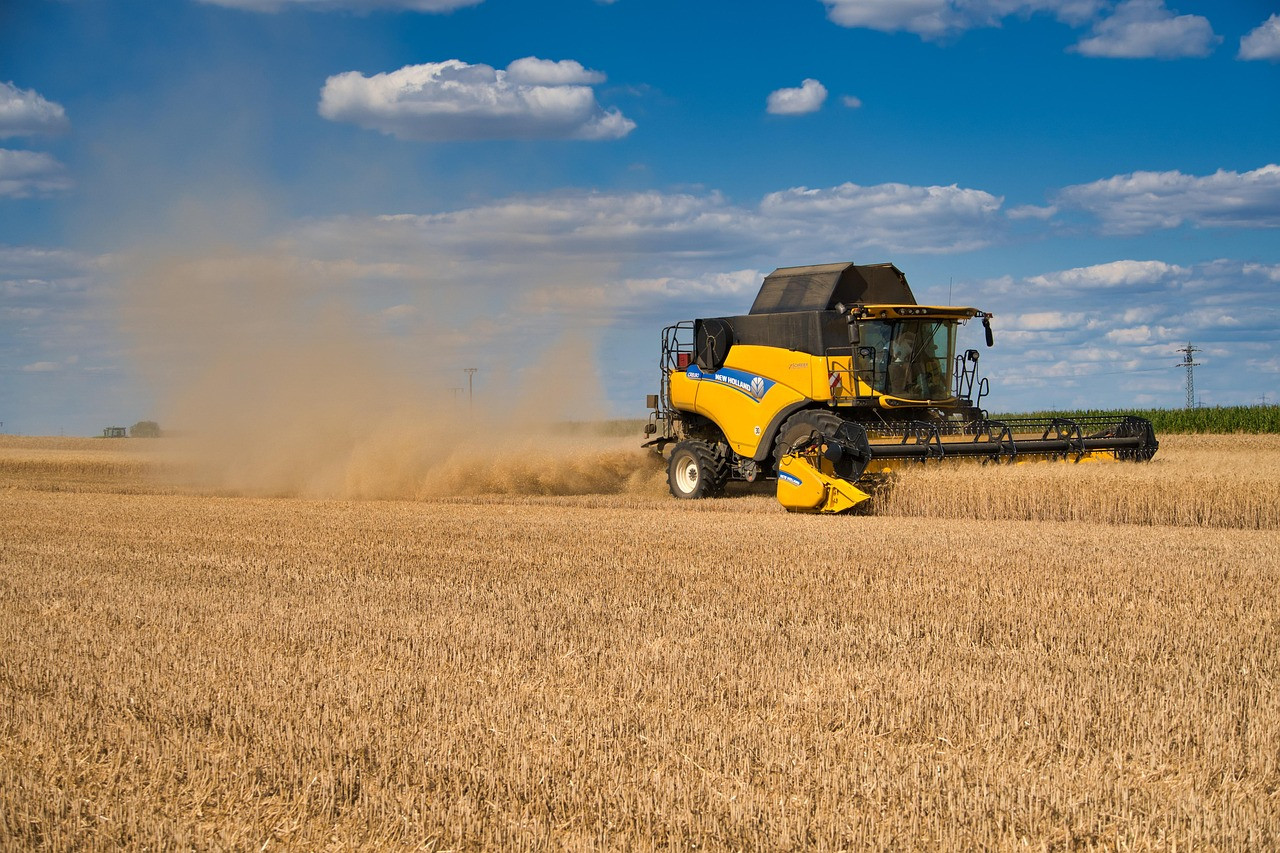
Representative image: Anrita1705 / Pixabay
The US Agriculture Department announced on October 19, 2026 an $8 billion Harvest Fuel Relief programme of one-time payments to farmers hit by higher costs.
What Happened
The United States Department of Agriculture (USDA) announced on Monday, October 19, 2026 an $8 billion Harvest Fuel Relief Program to make one-time payments to American farmers for the 2026 harvest season. President Donald Trump and Agriculture Secretary Brooke Rollins unveiled the programme, which the department said will help cover temporary market disruptions and higher input costs. Payment rates for the main crops will be published in November, and the Farm Service Agency will run the scheme.
Key Facts
- Size: $8 billion in one-time payments, announced by the USDA on October 19, 2026.
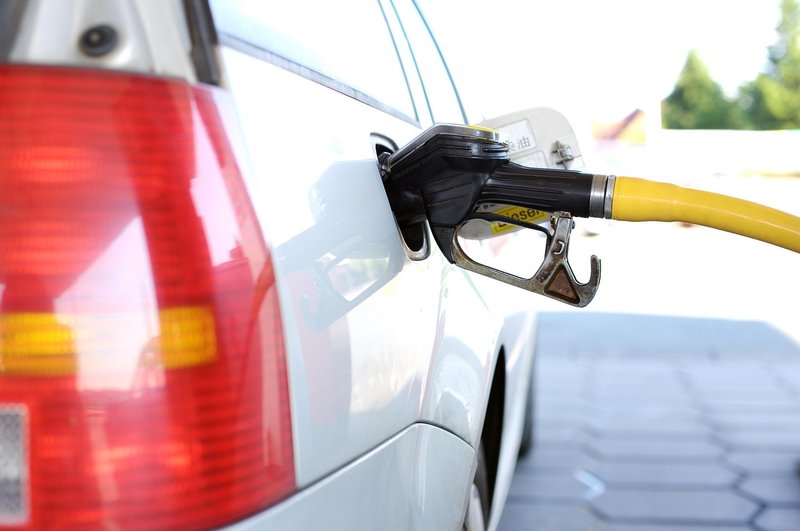
- Purpose, according to the USDA: to offset temporary market disruptions and increased input costs for the 2026 crop year; reports of the President's remarks tied it to higher diesel prices.
- Payments will be calculated with a formula modelled on an earlier scheme, the Farmer Bridge Assistance program.
- The formula uses farmers' reported planted acres, official cost-of-production estimates and the department's monthly supply-and-demand estimates of yields and prices.
- Legal basis: the Commodity Credit Corporation Charter Act; the Farm Service Agency will administer it.
- Farmers will not need crop insurance to take part.
- Rates for major programme crops are due in November; methods for other crops will follow, and specialty crop growers and fishermen are asked to submit data on their higher fuel costs.
Why It Matters
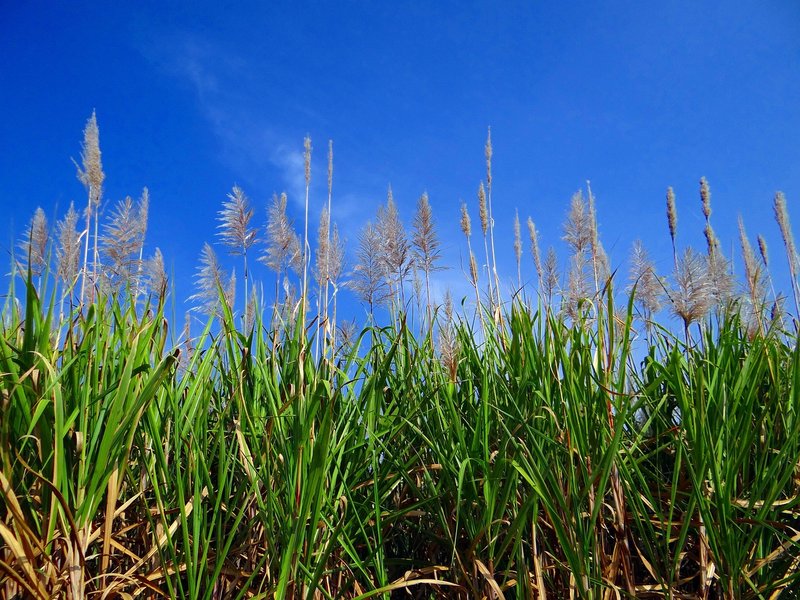
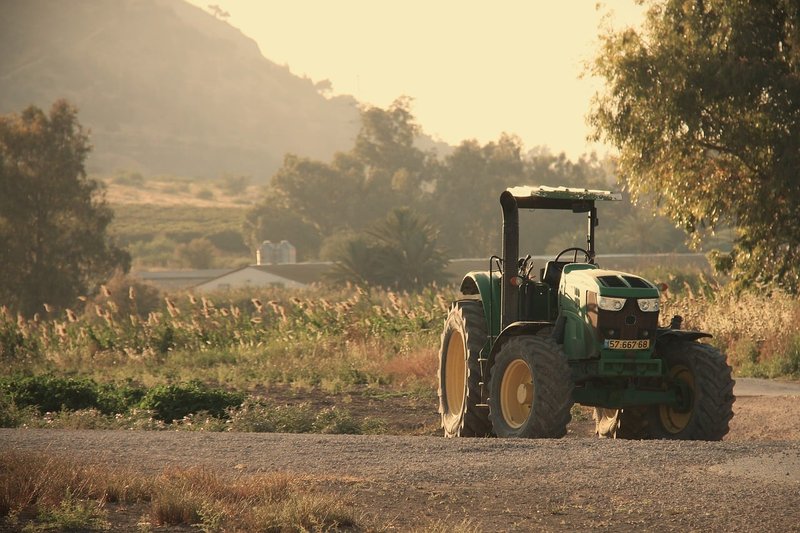
Farming is one of the most fuel-hungry businesses in any economy. Tractors, harvesters, irrigation pumps, grain dryers and trucks all run on diesel,. When those costs jump in the middle of a season, farmers cannot pass them on, because crop prices are set by markets, not by what it cost to grow the crop. The harvest is the most expensive point of the year for fuel, which is why the programme is aimed at the 2026 harvest.
The design is worth noting. Instead of paying farmers for each litre of fuel they bought, the USDA will estimate each farm's loss using planted area, typical production costs and expected yields and prices. That makes payments faster and simpler to run, but it also means the money follows acres. Larger farms with more land will usually receive more, and growers whose actual costs were higher than the model assumes may feel short-changed. Leaving crop insurance out of the eligibility rules widens the pool of farmers who can apply.
The legal route matters too. The USDA said the money will be paid under the Commodity Credit Corporation Charter Act, the law behind a federal corporation that finances farm support programmes, and that the Farm Service Agency will handle payments. That is why the department can set rates and pay within months.
For readers in India, the comparison is useful. India supports farmers mainly through minimum support prices for crops and direct income transfers, while the US scheme is a one-off cash payment tied to a cost shock. Both approaches try to protect farm incomes, but they work very differently: one fixes a price floor for the crop, the other compensates for a rise in costs. The US move also matters for world grain markets, because support that keeps American farmers planting can affect global supply and prices.
| Item | Detail |
|---|---|
| Programme | Harvest Fuel Relief Program |
| Amount | $8 billion, one-time payments |
| Announced | October 19, 2026 |
| Run by | Farm Service Agency, under the CCC Charter Act |
| Payment rates | Major crops in November 2026; others later |
Impact
Short-term: US farmers will wait for the November payment rates to know how much they will receive. The announcement may ease some pressure on cash flow during harvest, when fuel and labour bills peak.
Long-term: Repeated emergency payments can become an expected part of farm income, which shapes planting and investment decisions. If high fuel costs persist into 2027, pressure for further support is likely.
Who is affected: US grain and oilseed farmers, specialty crop growers and fishermen who submit fuel cost data, farm lenders, agricultural input suppliers, and, indirectly, buyers of US farm exports around the world.
Key Takeaway
The USDA's $8 billion Harvest Fuel Relief Program, announced on October 19, 2026, will pay US farmers a one-time sum based on modelled 2026 losses from higher costs, with rates for major crops due in November.
Questions and Answers
What is the Harvest Fuel Relief Program?
It is an $8 billion USDA programme, announced on October 19, 2026, that will make one-time payments to US farmers to help cover higher input costs and market disruptions during the 2026 harvest season.
How will Harvest Fuel Relief payments be calculated?
The USDA will use a formula modelled on the Farmer Bridge Assistance program, based on reported planted acres, official cost-of-production estimates and expected yields and prices, rather than on fuel receipts.
When will US farmers know the payment rates?
The USDA said payment rates for major programme crops will be released in November 2026, with methods for other commodities to follow later.
Do farmers need crop insurance to qualify?
No. The USDA said crop insurance will not be required to take part in the Harvest Fuel Relief Program.
Disclaimer: Prepared by the Peepals newsroom from publicly available sources with AI assistance. Information is accurate to the best of our knowledge at the time of publication and may change. Images may be representative. Not professional advice. Report an error via our contact page.
Sourced and fact-checked by the Peepals Global Editorial Team
Reported, fact-checked and published by the Peepals Global Editorial Team.