
Haryana to buy paddy above per-acre limit at MSP after verification

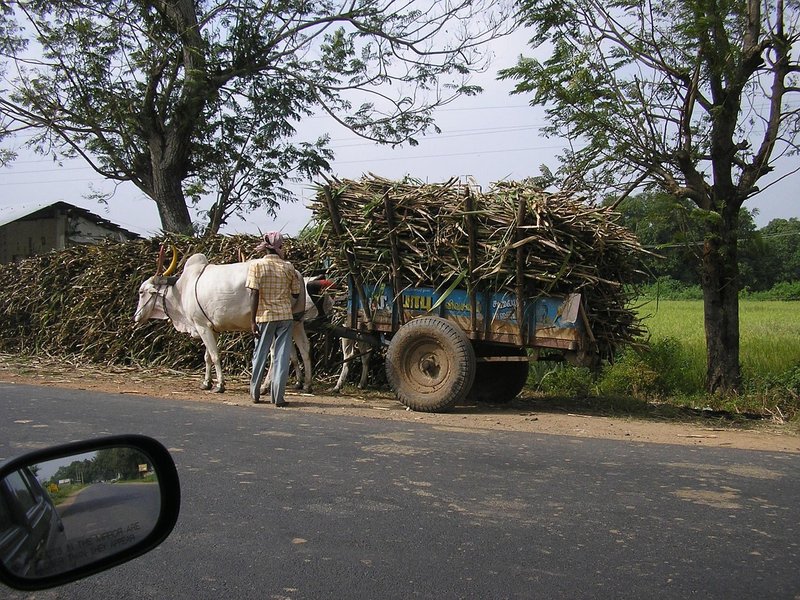
Representative image: orko46 / Pixabay
Haryana will buy verified paddy above district per-acre caps at MSP, Agriculture Minister Shyam Singh Rana said on 18 October 2026, after farmer protests.
What Happened
Haryana will buy paddy at the minimum support price (MSP) even when a farmer's harvest is larger than the per-acre limit set for the district, provided the extra yield is verified. Agriculture Minister Shyam Singh Rana gave the assurance on Sunday, 18 October 2026, while inspecting grain markets in Sirsa district, after farmers in several districts protested that the per-acre cap was stopping them from selling their whole crop.
Key Facts
- The state has set district-wise procurement limits for the Kharif Marketing Season 2026-27 that range from 21.39 to 29.26 quintals of paddy per acre.
- The limits follow central guidelines and are based on each district's average yield over the previous three years, according to the Agriculture Director's letter to Deputy Commissioners.
- A farmer whose yield is higher must give a written claim to the market committee or Haryana State Agricultural Marketing Board (HSAMB) secretary; the minister said claims should be settled within 48 hours.
- Claims are to be checked by revenue or agriculture officials, using the farmer's past production and sale records where available.
- The MSP for 2026-27 is Rs 2,441 per quintal for common paddy and Rs 2,461 for Grade A paddy, Rs 72 more than last season.
- Paddy with moisture of up to 17 per cent is being bought under the rules.
- The minister visited the Sirsa, Dabwali, Kalanwali and Rania markets.
Why It Matters
Haryana is one of the main states that sells paddy to the central pool, and the government purchase at MSP is the price floor most farmers in the state depend on. A per-acre cap is meant to stop "ghost" or bogus purchases, in which paddy grown elsewhere, often bought cheaply in another state, is passed off as local produce to collect the support price. The cap is worked out from the district's average yield, so it is a reasonable ceiling for most farms.
The trouble comes for farmers whose harvest is better than average. Good seed, early sowing or a strong season can push a field past the district figure. Under a strict cap, such a farmer could sell only part of the crop at the MSP and would have to sell the rest privately, often below the support price. That gap is what triggered protests in recent days. In Ambala district, where the cap is 26.26 quintals per acre, members of the Bharatiya Kisan Union (Shaheed Bhagat Singh) blocked the Ambala-Hisar road and demanded that the limit be raised to 32 quintals. They lifted the blockade after officials assured them that the whole crop would be bought at MSP. In Karnal, commission agents (arhtiyas) asked for the district's 25.25-quintal limit to be raised.
The new instruction keeps the cap in place but opens a route around it for genuine high yields. That balances two aims: protecting the procurement system from fraud, and not penalising farmers who simply grew more. The weak point, as farmer groups have said, is the verification step. A farmers' organisation accused the government of ignoring problems on the ground, and the speed of checks will decide whether the promise works in practice during the peak arrival weeks.
| District | Per-acre cap reported (quintals) |
|---|---|
| Ambala | 26.26 |
| Karnal | 25.25 |
| State range | 21.39 to 29.26 |
Impact
Short-term: Farmers with yields above their district limit can now file a claim instead of selling the surplus privately. If checks are completed within the promised 48 hours, more paddy should move through government purchase this month. Delays in lifting, shortages of gunny bags and high moisture levels remain separate problems in some markets; the minister told officials to ensure timely lifting, enough bags, storage space and basic facilities.
Long-term: The episode shows how per-acre limits, now common in procurement, can hit the most productive farmers. Clear, quick verification rules, based on land records and past sales, could become the model for other crops and states that use yield caps. The change may also add pressure on storage and milling capacity if purchases rise.
Who is affected: Paddy growers in Haryana, especially those with above-average yields; commission agents and rice millers who handle government purchases; market committees and revenue officials who must now verify claims; and procurement agencies that store and move the grain.
Key Takeaway
Haryana keeps its per-acre paddy purchase limits but will now buy verified extra yield at the MSP of Rs 2,441 to Rs 2,461 per quintal, with claims to be settled within 48 hours.
Questions and Answers
Will Haryana buy paddy above the per-acre limit at MSP?
Yes. The state government has said paddy harvested above a district's prescribed per-acre yield will also be bought at the minimum support price, but only after the farmer's claim is verified by revenue or agriculture officials.
What is the paddy MSP for 2026-27?
The minimum support price for the 2026-27 kharif season is Rs 2,441 per quintal for common paddy and Rs 2,461 per quintal for Grade A paddy, an increase of Rs 72 over the previous season.
How does a Haryana farmer claim purchase of the extra paddy?
The farmer must give a written request to the secretary of the market committee or the Haryana State Agricultural Marketing Board. Officials check the claim, using past production and sale records where available, and the agriculture minister has said claims should be settled within 48 hours.
Why does Haryana have a per-acre limit on paddy purchase?
The limits are set under central guidelines from each district's average yield over three years. They are meant to stop paddy grown elsewhere from being sold as local produce at the support price, a practice known as bogus or ghost purchase.
Disclaimer: Prepared by the Peepals newsroom from publicly available sources with AI assistance. Information is accurate to the best of our knowledge at the time of publication and may change. Images may be representative. Not professional advice. Report an error via our contact page.
Sourced and fact-checked by the Peepals Global Editorial Team
Reported, fact-checked and published by the Peepals Global Editorial Team.