
Agrivoltaics: PM-KUSUM's next phase to back solar-plus-crop farms, ministers say
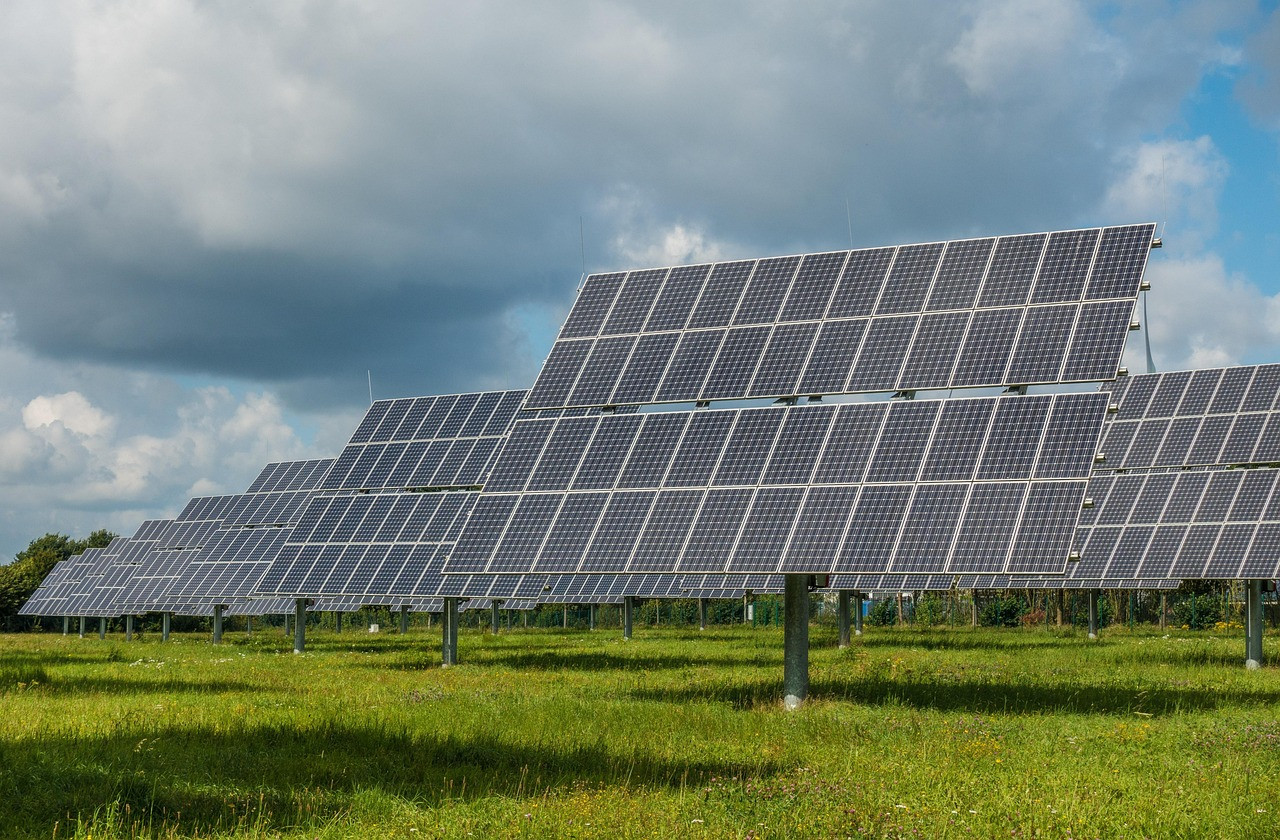
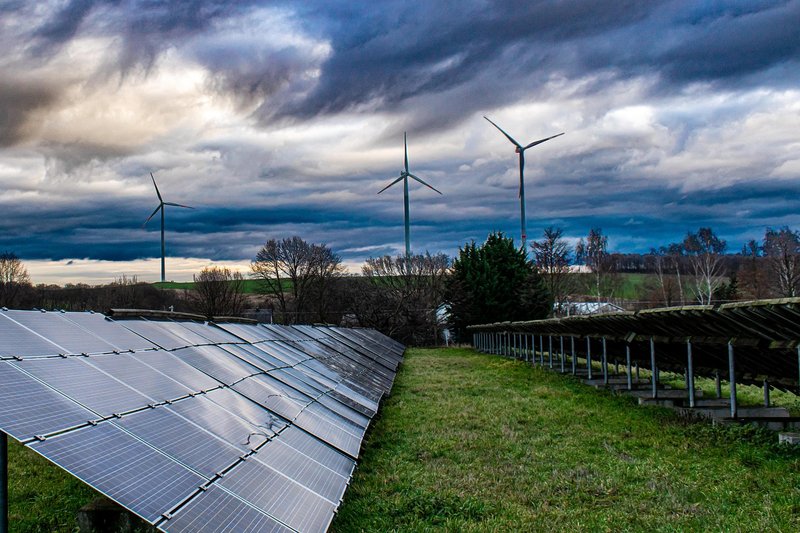
Representative image: mrganso / Pixabay
As the AgriVoltaics World Conference opened in Delhi on October 21, 2026, ministers said PM-KUSUM's next phase will have a dedicated agrivoltaics component.
What Happened
The 7th AgriVoltaics World Conference opened on Wednesday, October 21, 2026, at Bharat Mandapam in New Delhi, hosted by the Ministry of New and Renewable Energy under the theme "Powering the Global South". On the same day, Prime Minister Narendra Modi shared an article by Union ministers Pralhad Joshi and Shivraj Singh Chouhan arguing that agrivoltaics, growing crops and producing solar power on the same land, can raise farm incomes. The article says the next phase of the PM-KUSUM solar scheme for farmers will give agrivoltaics a dedicated place.
Key Facts
- Event: 7th AgriVoltaics World Conference, October 21 to 23, 2026, at Bharat Mandapam, New Delhi, with an online option.
- Host: the Ministry of New and Renewable Energy, with support from the Indo-German Cooperation on Agrivoltaics project.
- Article: written by Pralhad Joshi, Minister of New and Renewable Energy, and Shivraj Singh Chouhan, Minister of Agriculture and Farmers Welfare, and shared by the Prime Minister on October 21.
- Policy plan: the next phase of PM-KUSUM is to include a dedicated agrivoltaics component; a March 2026 report put it at 10 GW.
- Who it targets: small and marginal farmers, Farmer Producer Organisations, cooperatives and panchayats, with land ownership staying with farmers.
- Farm profile: the article notes that nearly 86% of India's farmers are small and marginal landholders.
- Joshi's case: three income streams from one acre: crops, electricity sold to power distribution companies, and savings on diesel from solar-powered farm work.
Why It Matters
Agrivoltaics means installing solar panels on farmland in a way that still lets crops grow, usually by raising the panels high on frames or spacing them in rows with crops between or beneath them. The panels produce electricity while the land keeps producing food. For a country with limited land and a fast-growing need for clean power, the idea is attractive because it avoids choosing between a solar park and a field.
For farmers, the main promise is a steadier income. Crop earnings swing with the weather and with market prices. Electricity sold to a distribution company under a long contract gives a more predictable stream of money, while solar pumps can cut spending on diesel for irrigation. The ministers' article frames this as a way to protect small farmers against uncertainty, which matters because, by its own figure, most Indian farmers hold small plots.
There are practical questions too. Panels shade crops, so the choice of crop, panel height and spacing decides whether yields hold up. The upfront cost is high, which is why the government wants to work through Farmer Producer Organisations, cooperatives and panchayats that can pool land and money. Farmers will also want clarity on contracts with power companies, who pays for maintenance, and whether they keep full control of their land, which the ministers say they will.
PM-KUSUM, the existing scheme, already helps farmers install solar pumps and small solar plants on barren or farmland. Adding a separate agrivoltaics component would give this model its own funding rules and targets. The ministers have not yet given a launch date for the scheme's next phase.
Impact
Short-term: The three-day conference brings together researchers, companies, officials and farmer groups from India and abroad to share results from pilot projects and discuss financing and technology.
Long-term: If the dedicated component is approved and rolled out, farmer groups and cooperatives could set up agrivoltaic plants that add to rural incomes and to India's clean power supply. The success will depend on crop yields under panels, fair power purchase prices and easy access to loans.
Who is affected: small and marginal farmers; Farmer Producer Organisations, cooperatives and panchayats; power distribution companies; solar equipment makers and installers; and rural banks that may lend for such projects.
Key Takeaway
As the 7th AgriVoltaics World Conference opened in New Delhi on October 21, 2026, Union ministers said the next phase of PM-KUSUM will include a dedicated component for farms that grow crops and solar power together.
Questions and Answers
What is agrivoltaics?
Agrivoltaics, also called Agri-PV, is the practice of installing solar panels on farmland so that crops can still be grown on the same land, letting farmers earn from both farming and electricity.
When and where is the AgriVoltaics World Conference 2026?
The 7th AgriVoltaics World Conference is being held from October 21 to 23, 2026, at Bharat Mandapam in New Delhi, hosted by the Ministry of New and Renewable Energy, with an online option.
Will PM-KUSUM support agrivoltaics?
The government says the next phase of PM-KUSUM will include a dedicated agrivoltaics component, reported in March 2026 as 10 GW. No launch date for the new phase has been announced.
How can agrivoltaics raise farmers' income?
According to Pralhad Joshi, one acre can give income from crops, revenue from electricity sold to distribution companies, and savings on diesel used in farm operations.
Disclaimer: Prepared by the Peepals newsroom from publicly available sources with AI assistance. Information is accurate to the best of our knowledge at the time of publication and may change. Images may be representative. Not professional advice. Report an error via our contact page.
Sourced and fact-checked by the Peepals Global Editorial Team
Upcoming IPO: EAAA India Alternatives sets Rs 1,585-1,665 price band
UK inflation rises to 3.5% in September as diesel costs hit four-year high
Reported, fact-checked and published by the Peepals Global Editorial Team.