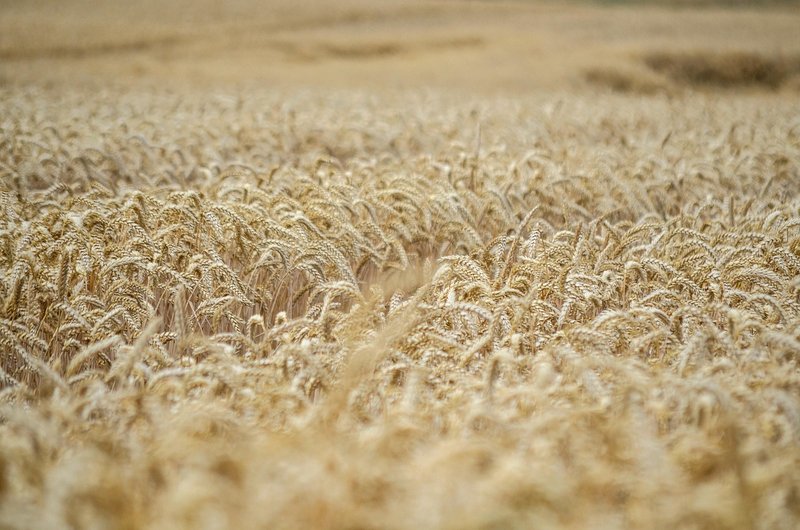

Tamil Nadu rice prices up about Rs 20 a kg since July as paddy arrivals fall
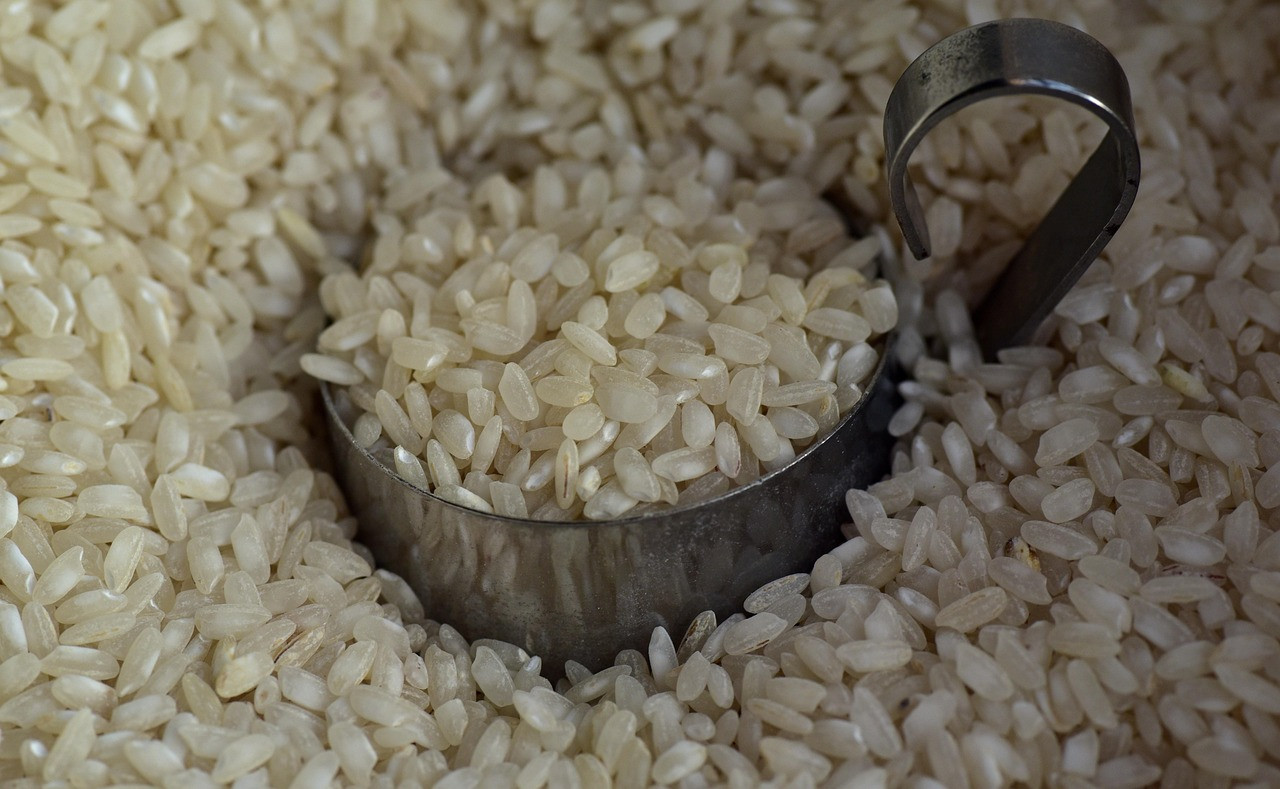
Representative image: ulleo / Pixabay
A 26-kg bag of Ponni rice in Tamil Nadu rose from about Rs 1,400 in July to Rs 1,900 in October 2026 as paddy arrivals fell, traders say.
What Happened
Retail rice prices in Tamil Nadu have climbed sharply over the past three months, and the rise has now spread to fine varieties in the main rice-trading districts, according to traders and mill owners quoted in reports published this month, October 2026. A 26-kg bag of boiled Ponni rice, which sold for about Rs 1,400 in July, cost about Rs 1,900 in October, traders said. Markets in Madurai, Thanjavur and Tiruchy have seen similar increases, with fine rice retailing at about Rs 75 a kg. Some traders have warned that certain varieties could reach Rs 100 a kg before Deepavali, while others in the trade say there is no shortage and that supply should ease after the Samba harvest.
Key Facts
- Ponni rice: a 26-kg bag of boiled Ponni rose from about Rs 1,400 in July to about Rs 1,900 in October, according to traders.
- Per kilo, retail rice prices across the state have risen by roughly Rs 20 to Rs 27, by traders' estimates.
- Fine paddy now costs millers about Rs 45 a kg, and fine rice sells for about Rs 75 a kg in markets such as Madurai, Thanjavur and Tiruchy.
- From 1 September, the state's paddy procurement price rose to Rs 2,750 a quintal for fine varieties and Rs 2,600 for common varieties, which also raises the base cost of milling.
- Mill owners link the shortage of paddy arrivals to poor rainfall and irrigation water in the Cauvery delta, a weak April harvest, and lower harvests in Andhra Pradesh, Telangana and Karnataka, which normally send paddy to Tamil Nadu's mills.
- Some traders have asked the Centre to restrict rice exports; industry representatives expect supplies to improve after the Samba harvest ends in January.
Why It Matters
Rice is the staple of almost every household in Tamil Nadu, so a jump of Rs 20 a kg is felt immediately in family budgets, hotels and small eateries. A family that buys a 26-kg bag a month is now paying around Rs 500 more for the same rice than in July. For low-income households that rely on the open market for varieties not supplied through ration shops, the increase is significant.
The rise also shows how tightly the state's rice economy is linked to its neighbours. Tamil Nadu's mills draw paddy not only from the Cauvery delta but also from Andhra Pradesh, Telangana and Karnataka. When those states harvest less, fewer trucks of paddy reach mills in Thanjavur, Tiruchy and Madurai, and millers bid up the price of what is available. Higher state procurement prices, good news for farmers who sell to the government, add a further floor under the market price.
For farmers, higher paddy prices are welcome after a difficult season. But many small farmers who lost yields to weak rains have less grain to sell, so they gain less from the higher rate than the price headline suggests. Millers, meanwhile, face higher input costs and working capital needs.
| Variety or item | July | October |
|---|---|---|
| Boiled Ponni, 26-kg bag | About Rs 1,400 | About Rs 1,900 |
| Fine rice, per kg (retail) | Not available | About Rs 75 |
| Fine paddy, per kg (to millers) | Not available | About Rs 45 |
Impact
Short-term: Households and food businesses face higher rice bills through the festive season, and small hotels may raise meal prices. Traders will watch whether demand ahead of Deepavali pushes premium varieties higher.
Long-term: If the Samba harvest is normal, arrivals should rise from January and prices may ease. A poor Samba crop would keep prices high and add pressure for government action, such as wider supply through ration shops or limits on exports.
Who is affected: Rice-eating households in Tamil Nadu, especially those buying in the open market, rice mill owners and traders, hotels and canteens, and paddy farmers in the delta and neighbouring states.
Key Takeaway
Tamil Nadu's rice prices have risen by about Rs 20 a kg since July as paddy arrivals fell, and relief is not expected before the Samba harvest in January.
Questions and Answers
How much have rice prices risen in Tamil Nadu?
Traders say retail prices are up about Rs 20 to Rs 27 a kg since July. A 26-kg bag of boiled Ponni rose from about Rs 1,400 in July to about Rs 1,900 in October 2026.
Why are rice prices going up?
Fewer paddy arrivals at mills, caused by weak rains and irrigation shortages in the Cauvery delta, a poor April harvest and lower harvests in neighbouring states, along with higher state procurement prices from 1 September.
Is there a rice shortage in Tamil Nadu?
Industry representatives say there is no shortage, only tighter supply. They expect arrivals to improve once the Samba harvest is completed in January.
Will rice reach Rs 100 a kg?
Some traders have warned that certain varieties could touch Rs 100 a kg before Deepavali, but others in the trade have dismissed this. It is a forecast, not a price that has been reached.
Disclaimer: Prepared by the Peepals newsroom from publicly available sources with AI assistance. Information is accurate to the best of our knowledge at the time of publication and may change. Images may be representative. Not professional advice. Report an error via our contact page.
Sourced and fact-checked by the Peepals Global Editorial Team
Electric two-wheeler sales nearly double to 2.07 lakh in September; TVS leads
Bonfiglioli Transmissions sets Rs 558-586 band for Rs 2,534 crore IPO opening Oct 15
Reported, fact-checked and published by the Peepals Global Editorial Team.