
Rajasthan says DAP stocks adequate as Gehlot alleges queues, black-market prices
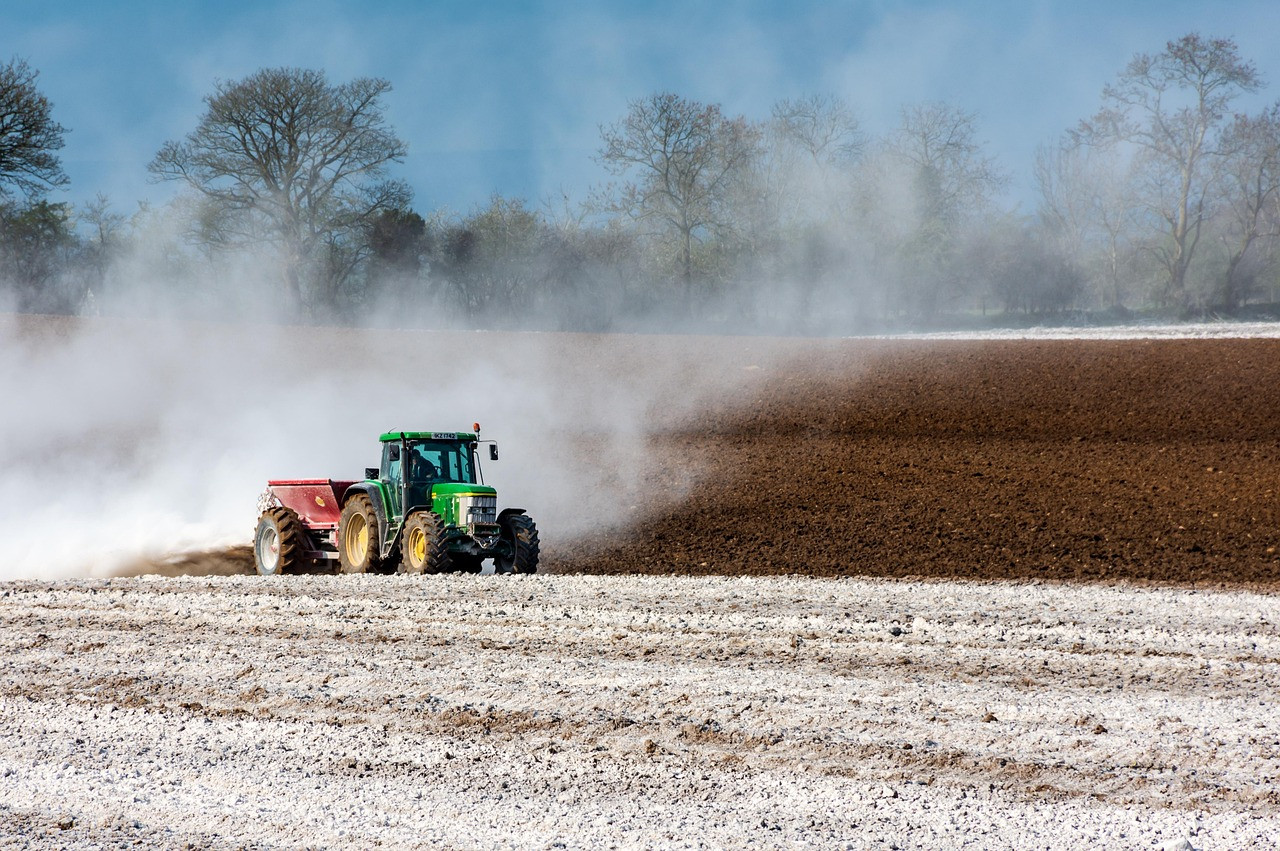
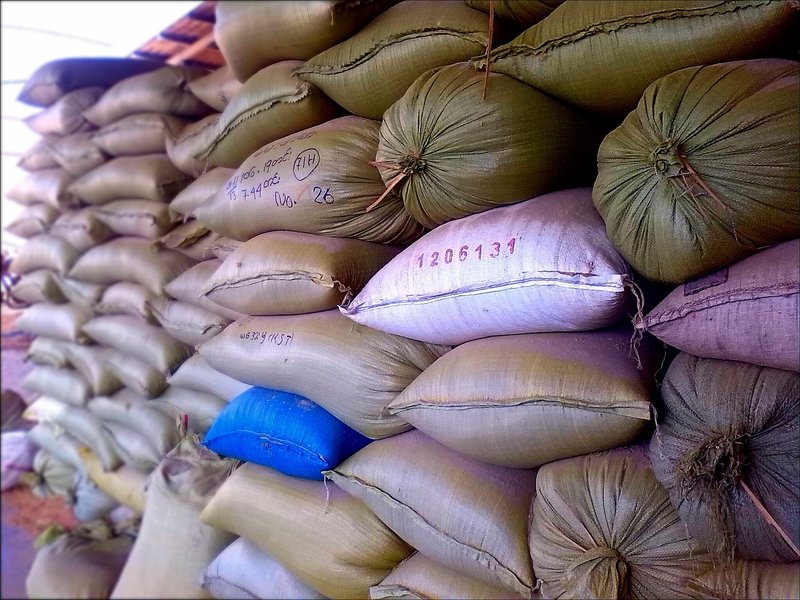
Representative image: darrenquigley32 / Pixabay
Rajasthan reports 1.06 lakh tonnes of DAP in stock as of October 10, 2026, but Ashok Gehlot alleges queues and black-market prices during mustard sowing.
What Happened
A dispute over fertiliser supply has broken out in Rajasthan as farmers begin sowing mustard and other rabi crops. Agriculture Minister Kirodi Lal Meena said the state has enough di-ammonium phosphate (DAP) and urea for the season, putting stocks at 1,05,584 tonnes of DAP and 3,63,969 tonnes of urea as of Saturday, October 10, 2026, and urged farmers not to hoard because of rumours. Former chief minister Ashok Gehlot of the Congress has accused the state government of failing farmers, saying they are queuing for hours for a few bags of DAP and that a bag normally priced at Rs 1,350 is being sold for Rs 2,100 to Rs 2,200 on the black market. Chief Secretary V Srinivas has chaired the state's fertiliser distribution task force to review supplies and act against hoarding and illegal sales.
Key Facts
- Rajasthan reported 1,05,584 tonnes of DAP and 3,63,969 tonnes of urea in stock as of October 10, 2026, according to the state agriculture minister.
- Minister Kirodi Lal Meena said stocks are adequate for the rabi season and asked farmers not to stockpile.
- Ashok Gehlot alleged DAP shortages during mustard sowing, long queues, and black-market prices of Rs 2,100 to Rs 2,200 for a bag that normally costs Rs 1,350.
- Gehlot also said cooperative societies had sent in their fertiliser requirements but were still waiting for supplies.
- The state fertiliser distribution task force, chaired by Chief Secretary V Srinivas, met to review supply and prevent hoarding.
- For 2026-27 rabi, the state has proposed sowing targets of 40 lakh hectares under oilseeds, 21.9 lakh hectares under pulses and 38.5 lakh hectares under cereals.
- Last rabi season, sowing covered 39.8 lakh hectares of oilseeds, 20.6 lakh hectares of pulses and 42.7 lakh hectares of cereals.
Why It Matters
DAP is the main source of phosphorus for crops at sowing time, and the window for applying it is short. In Rajasthan, oilseeds such as mustard cover close to 40 lakh hectares in the rabi season, and mustard is sown early. A farmer who cannot get DAP on time either delays sowing, which can cut yields, or pays more on the open market, which squeezes already thin margins.
The two sides are describing different things. The government's figure is a statewide stock number; the opposition's complaint is about what reaches the village cooperative society or the local dealer on the day a farmer needs it. Both can be true at once: a state can hold adequate stock in total while distribution lags in particular districts, especially when demand bunches up at the start of sowing. Rumours of shortage can make this worse by prompting farmers to buy more than they need, which is why the minister has warned against stockpiling.
The proposed targets show the state planning a slightly larger oilseed and pulse area and a smaller cereal area than last year. That shift raises the importance of timely phosphate supply, because mustard and pulses are sown early. The task force review is the government's main tool for finding where stock is stuck and acting on hoarding or overcharging; how quickly it acts will decide whether this remains a political row or becomes a real setback for sowing.
| Rajasthan rabi area | 2025-26 (actual) | 2026-27 (proposed target) |
|---|---|---|
| Oilseeds | 39.8 lakh ha | 40 lakh ha |
| Pulses | 20.6 lakh ha | 21.9 lakh ha |
| Cereals | 42.7 lakh ha | 38.5 lakh ha |
Impact
Short-term: Mustard growers need DAP in the coming weeks; any local delays or overcharging will show up first at cooperative societies and dealers, and in complaints to district officials.
Long-term: Repeated supply disputes each sowing season point to the need for better district-level tracking of fertiliser stocks and sales, so that statewide figures match what farmers find on the ground.
Who is affected: Rabi farmers in Rajasthan, particularly mustard and pulse growers; primary agricultural cooperative societies and fertiliser dealers; and district administrations enforcing anti-hoarding rules.
Key Takeaway
Rajasthan says it holds over 1 lakh tonnes of DAP for rabi sowing, but the opposition alleges queues and black-market prices, making on-time delivery to villages the real test.
Questions and Answers
How much DAP does Rajasthan have for the rabi season?
The state agriculture minister said Rajasthan had 1,05,584 tonnes of DAP and 3,63,969 tonnes of urea in stock as of October 10, 2026, and called this adequate.
What has the opposition alleged?
Former chief minister Ashok Gehlot said farmers are queuing for hours for DAP during mustard sowing and that a bag normally priced at Rs 1,350 is selling for Rs 2,100 to Rs 2,200 on the black market.
What is the government doing about hoarding?
The state's fertiliser distribution task force, chaired by Chief Secretary V Srinivas, has reviewed supplies and is tasked with preventing hoarding and illegal sales. The minister has also asked farmers not to stockpile.
Why does DAP matter so much at this time of year?
DAP supplies phosphorus that crops need at sowing. Mustard, Rajasthan's main rabi oilseed, is sown early, so delays in getting DAP can push back sowing or raise costs.
Disclaimer: Prepared by the Peepals newsroom from publicly available sources with AI assistance. Information is accurate to the best of our knowledge at the time of publication and may change. Images may be representative. Not professional advice. Report an error via our contact page.
Sourced and fact-checked by the Peepals Global Editorial Team
Reported, fact-checked and published by the Peepals Global Editorial Team.