
Rain soaks paddy in Punjab mandis; 7-8 lakh bags hit in flooded Fazilka yard
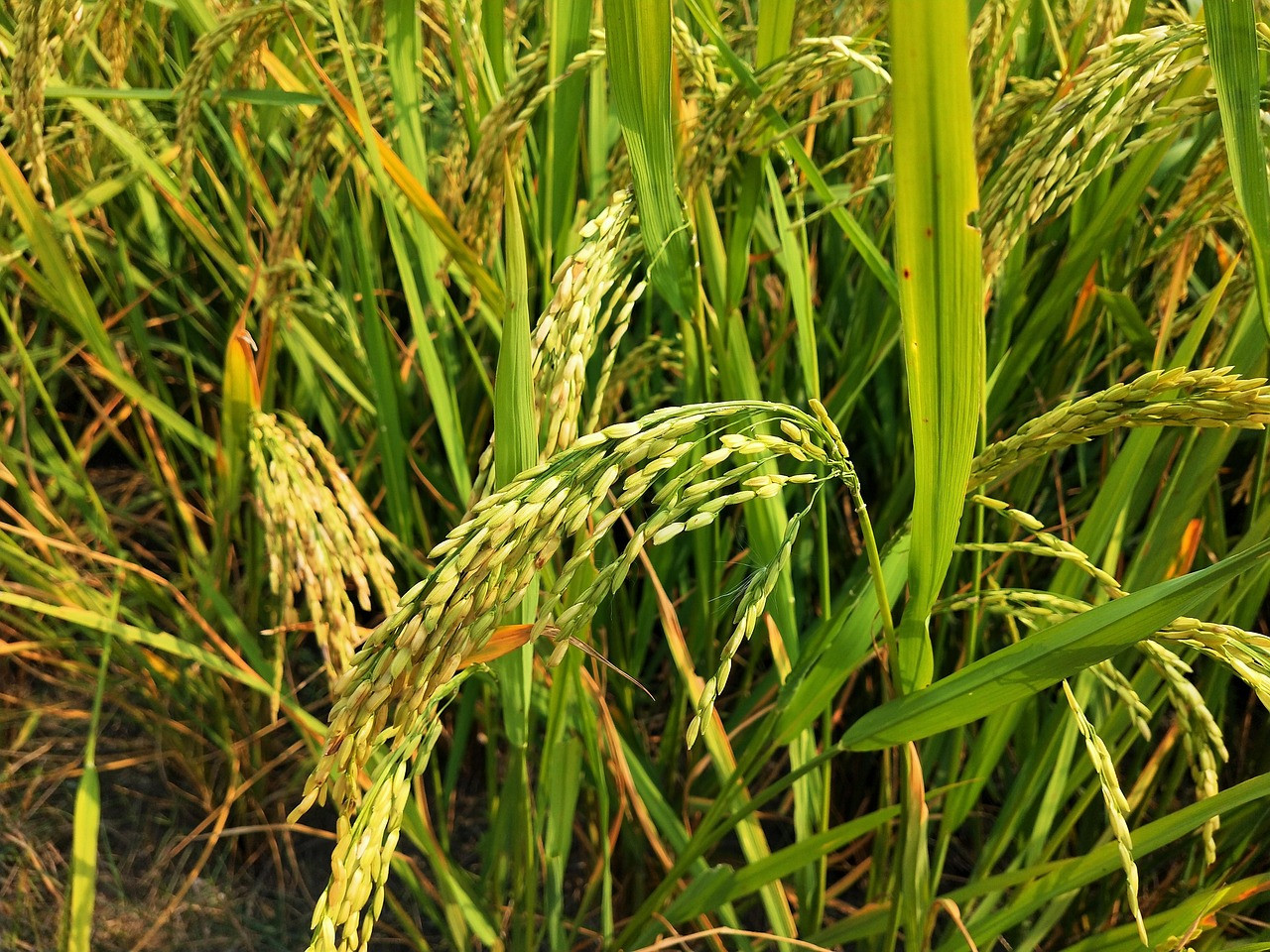
Representative image: 8827rajneesh / Pixabay
Unseasonal rain on October 11, 2026 flooded grain markets in Punjab's Malwa belt and Ambala, soaking paddy early in the buying season.
What Happened
Heavy, unseasonal rain on Sunday, October 11, 2026, soaked paddy lying in grain markets across Punjab's Malwa belt and in parts of Haryana, just as the kharif buying season was gathering pace. Harvested and standing paddy, basmati and cotton were hit in Bathinda, Muktsar, Faridkot, Fazilka, Mansa and Barnala. In Fazilka, the grain market was left under several feet of water, and market committee sources said around seven to eight lakh bags of sold and unsold paddy were lying in the yard. In Haryana, the Ambala grain market also flooded, with stacks of paddy sacks under water. Farmers and commission agents in both places blamed poor drainage and said earlier pleas for protective steps were ignored. Punjab Food and Civil Supplies Minister Lal Chand Kataruchak, who toured mandis in the region, said the state would buy all the grain brought to market.
Key Facts
- The rain fell on Sunday, October 11, 2026, across Malwa districts including Bathinda, Muktsar, Faridkot, Fazilka, Mansa and Barnala.
- About seven to eight lakh bags of paddy were lying in the waterlogged Fazilka grain market, according to market committee sources.
- The Ambala grain market in Haryana was also flooded, and farmers there blamed the authorities for weak drainage and too little covered storage.
- By the minister's count, about 21 lakh tonnes of paddy had reached Punjab's mandis this season, and about 20 lakh tonnes had been bought.
- Punjab's procurement target for the season is 180 lakh tonnes.
- The Centre's minimum support price for 2026-27 is Rs 2,441 a quintal for common paddy and Rs 2,461 for Grade A.
- No official estimate of the crop or grain loss had been issued by the time of writing.
Why It Matters
Punjab is one of the largest suppliers of rice to the central pool, so what happens in its mandis in October matters far beyond the state. The buying season has only just begun: the state has bought roughly a ninth of its 180 lakh tonne target. That means most of the crop is still in the fields or on its way to market, and a wet spell now can affect both the grain already sitting in yards and the paddy still standing.
The immediate risk is quality. Government agencies buy paddy at the support price only if it meets fixed norms on moisture and discoloured or damaged grain. Paddy that has been rained on must be dried before it can pass those checks, which means longer waits in crowded yards, more handling cost for farmers, and a real chance that some lots are rejected or sold to private traders below the support price. Harmeet Singh Qadian, president of the Bharti Kisan Union (Qadian), has asked the state to order a special crop-damage survey, known as a girdawari, announce compensation, and seek higher permissible limits for moisture and discoloured grain.
The episode also exposes a familiar weak point: storage and drainage at the mandi level. A grain yard that floods after one night of heavy rain, with lakhs of bags in the open, shows how much depends on tarpaulins, covered platforms and fast lifting of bought grain. Every day grain stays in the open raises the cost of the next spell of bad weather.
| Punjab and Haryana before and after the rain | Status |
|---|---|
| Punjab paddy arrivals so far | about 21 lakh tonnes |
| Punjab paddy bought so far | about 20 lakh tonnes |
| Punjab season target | 180 lakh tonnes |
| Fazilka market stock during flooding | 7 to 8 lakh bags |
| Support price, common paddy | Rs 2,441 a quintal |
Impact
Short-term: Arrivals and buying in the affected mandis are likely to slow for several days while wet paddy is dried and yards are cleared. Farmers whose grain was soaked face drying costs and the risk of quality cuts. Rice millers and commission agents will also see delays in their work.
Long-term: If losses turn out to be large, the state may need to compensate farmers and could fall short of its procurement target. The episode adds pressure on the Punjab and Haryana governments, and the central food agencies, to invest in covered storage, better drainage and quicker lifting in grain markets.
Who is affected: Paddy and basmati growers in Malwa and in Haryana's Ambala area, commission agents (arhtiyas), mandi labourers, rice millers, state procurement agencies, and, further down the line, the central grain stock that feeds the public distribution system.
Key Takeaway
One night of unseasonal rain has turned Punjab's early paddy-buying season into a test of mandi storage and drainage, with lakhs of bags soaked and farmers now waiting to see whether wet grain will still fetch the support price.
Questions and Answers
Where did the October 11 rain hit paddy hardest?
The worst reports came from Punjab's Malwa belt, including Bathinda, Muktsar, Faridkot, Fazilka, Mansa and Barnala, and from the Ambala grain market in Haryana. In Fazilka, around seven to eight lakh bags of paddy were lying in a flooded grain yard.
Will farmers still get the minimum support price for rain-soaked paddy?
Only if the paddy meets the government's quality norms on moisture and damaged grain once it is dried. Punjab's food minister has said the state will buy all the grain, and farmer groups want the norms relaxed for rain-hit lots.
How much paddy has Punjab bought so far this season?
About 20 lakh tonnes, out of roughly 21 lakh tonnes that had arrived in mandis, according to the state's food minister. The target for the season is 180 lakh tonnes.
What are farmers asking for after the rain?
Compensation for losses, a special girdawari or field survey to assess damage, and relaxed procurement norms for moisture and discoloured grain. They also blame poor mandi drainage and want better storage arrangements.
Disclaimer: Prepared by the Peepals newsroom from publicly available sources with AI assistance. Information is accurate to the best of our knowledge at the time of publication and may change. Images may be representative. Not professional advice. Report an error via our contact page.
Sourced and fact-checked by the Peepals Global Editorial Team
US gives driverless trucks five-year waiver to use beacons instead of warning triangles
Dell study: 26% of Indian firms run AI in production, but data centres lag
Reported, fact-checked and published by the Peepals Global Editorial Team.