
Seoul chipmaker FuriosaAI's valuation quadruples to $2.9 billion in Series D
 By Elena D’SouzaStartups & Innovation Correspondent, Peepals Global
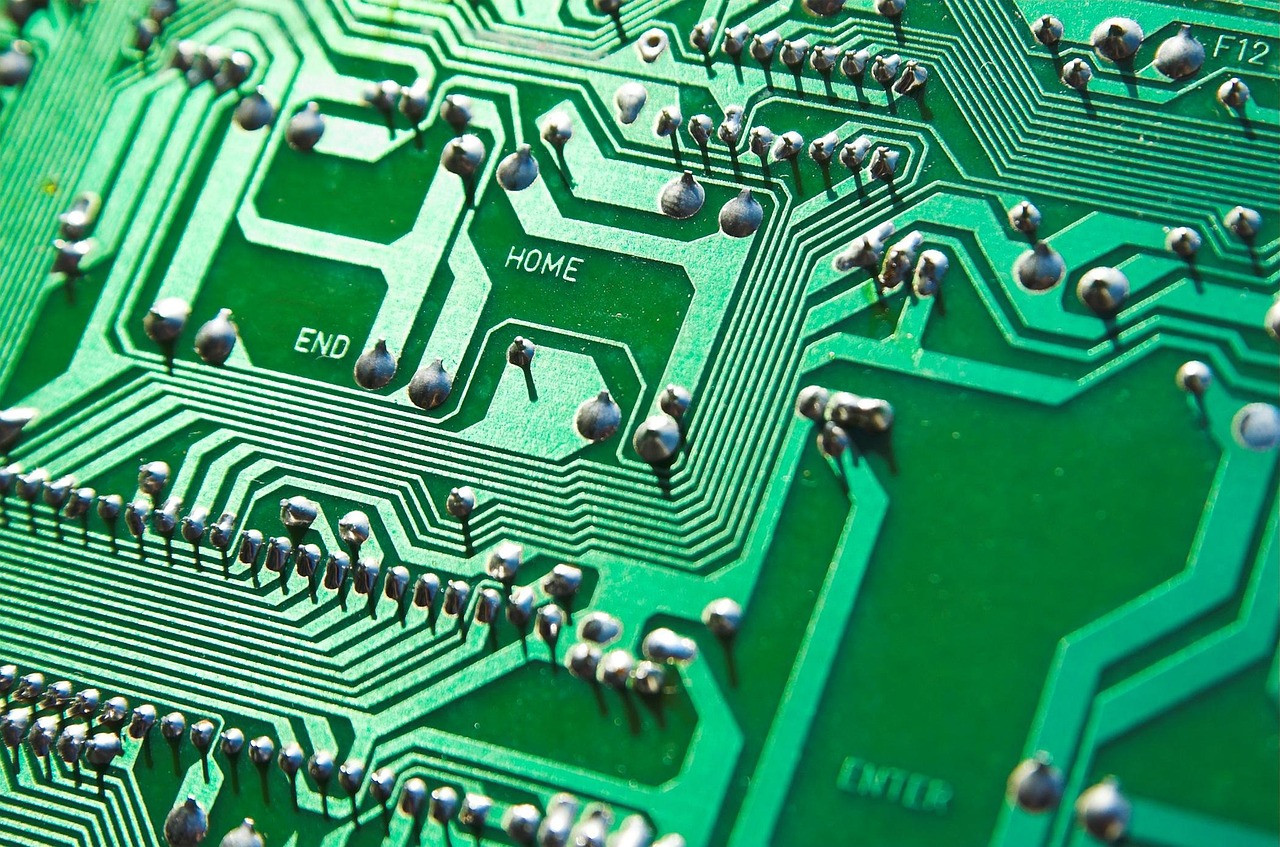
Representative image: axonite / Pixabay
South Korean AI chip start-up FuriosaAI raised $620 million in a Series D on October 28, 2026, at a $2.9 billion valuation, about four times its previous mark.
What Happened
FuriosaAI, a start-up in Seoul, South Korea, that designs chips for running artificial intelligence (AI) models, said on Wednesday, October 28, 2026, that it had raised $620 million in a Series D funding round at a valuation of $2.9 billion after the investment. That is roughly four times its previous valuation, which reports put at about $725 million to $735 million. South Korea's state-backed National Growth Fund invested about $280 million, the largest share, and international investors put in about $110 million, according to reports.
Key Facts
- Round: Series D, $620 million, announced October 28, 2026.
- Valuation: $2.9 billion after the investment, about four times the previous level.
- Largest investor: South Korea's National Growth Fund, about $280 million.
- International investors: about $110 million, including Infinitum Partners, Jericho Capital, Worldline Capital, QUDA Capital and NeoFort Holding, according to reports.
- Returning backers named in reports: Naver, KDB and DSC Investment; the Export-Import Bank of Korea made its first direct start-up investment.
- Product: the RNGD chip, in mass production since January 2026.
- Production plans: TSMC is set to make 20,000 RNGD chips this year and more than 40,000 in 2027, according to reports.
- Next chip: a third-generation processor being developed with Broadcom.
Why It Matters
The AI industry runs on chips. Training an AI model, which means teaching it from vast amounts of data, and inference, which means running the trained model to answer users' questions, both need enormous computing power. Nvidia dominates this market with its graphics processing units (GPUs). FuriosaAI is one of a growing number of start-ups building chips aimed specifically at inference, promising to use less electricity per answer. Power use has become one of the biggest limits on building new AI data centres, so energy-efficient chips are in demand, according to the company and investors.
The size of the round shows how much money is flowing into alternatives to Nvidia. A fourfold rise in valuation in one round is unusual, and it reflects investors' belief that demand for inference chips will keep growing as more businesses deploy AI in everyday products. It also shows how governments see AI chips as strategic. South Korea's National Growth Fund putting in the largest share, and the Export-Import Bank of Korea making its first direct start-up investment, signal strong state backing for a home-grown AI chip company.
For Indian founders and investors, the deal offers lessons. India is building its own semiconductor industry and AI computing capacity, and Indian AI start-ups are increasingly asking where they will get affordable computing power. FuriosaAI's path, with a focused product, a contract manufacturer like TSMC, partnerships with large firms such as Broadcom and patient state-linked capital, is one model of how a chip start-up from outside the United States can scale. The deal also shows the scale of money needed: building and producing chips costs far more than building software.
The company's claims about energy efficiency are its own, and independent comparisons with Nvidia's products in real data centres will decide how far RNGD can compete.
Impact
Short-term: The new money will support RNGD production and development of the next chip with Broadcom, and help FuriosaAI win data-centre customers.
Long-term: If inference chips from start-ups prove cheaper to run than general-purpose GPUs, the AI chip market could become less dependent on one supplier, which could lower costs for AI services worldwide.
Who is affected: AI data-centre operators and cloud providers; Nvidia and other chipmakers; investors in AI hardware; and AI start-ups, including in India, that depend on access to affordable computing.
Key Takeaway
FuriosaAI's $620 million round at a $2.9 billion valuation shows investors and governments betting heavily on energy-efficient AI inference chips as alternatives to Nvidia.
Questions and Answers
How much did FuriosaAI raise?
FuriosaAI raised $620 million in a Series D round announced on October 28, 2026, at a $2.9 billion valuation after the investment, about four times its previous value.
Who invested in FuriosaAI?
South Korea's National Growth Fund put in about $280 million. International investors added about $110 million, and returning backers named in reports include Naver, KDB and DSC Investment.
What does FuriosaAI make?
It designs AI chips for inference, which is running trained AI models. Its RNGD chip has been in mass production since January 2026, made by TSMC, and a third-generation chip is being developed with Broadcom.
Why are AI inference chips important?
Every time an AI model answers a question, it uses computing power and electricity. Chips designed for this job aim to cut power use and cost, which has become a key limit on building AI data centres.
Disclaimer: Prepared by the Peepals newsroom from publicly available sources with AI assistance. Information is accurate to the best of our knowledge at the time of publication and may change. Images may be representative. Not professional advice. Report an error via our contact page.
By Elena D’Souza, Startups & Innovation CorrespondentCovers Start-ups & Opportunities and more for Peepals Global. All stories by Elena D’Souza
Israel count: Netanyahu bloc slips to 53 seats, Arab parties hit record 19
Brazil's Itaú to buy AI start-up NeoSpace for 2.9 billion reais
Get the day's stories in your inbox
Peepals Weekly: the week decoded, free. One email a week, unsubscribe in one click.
Elena D’Souza is a pen name of the Peepals Global Editorial Team, which researches, fact-checks and publishes every story. The portrait is an illustration.