
Tamil Nadu rice stock limit: traders capped at 2,000 tonnes till January
 By Arjun MehtaStaff Writer, Peepals Business
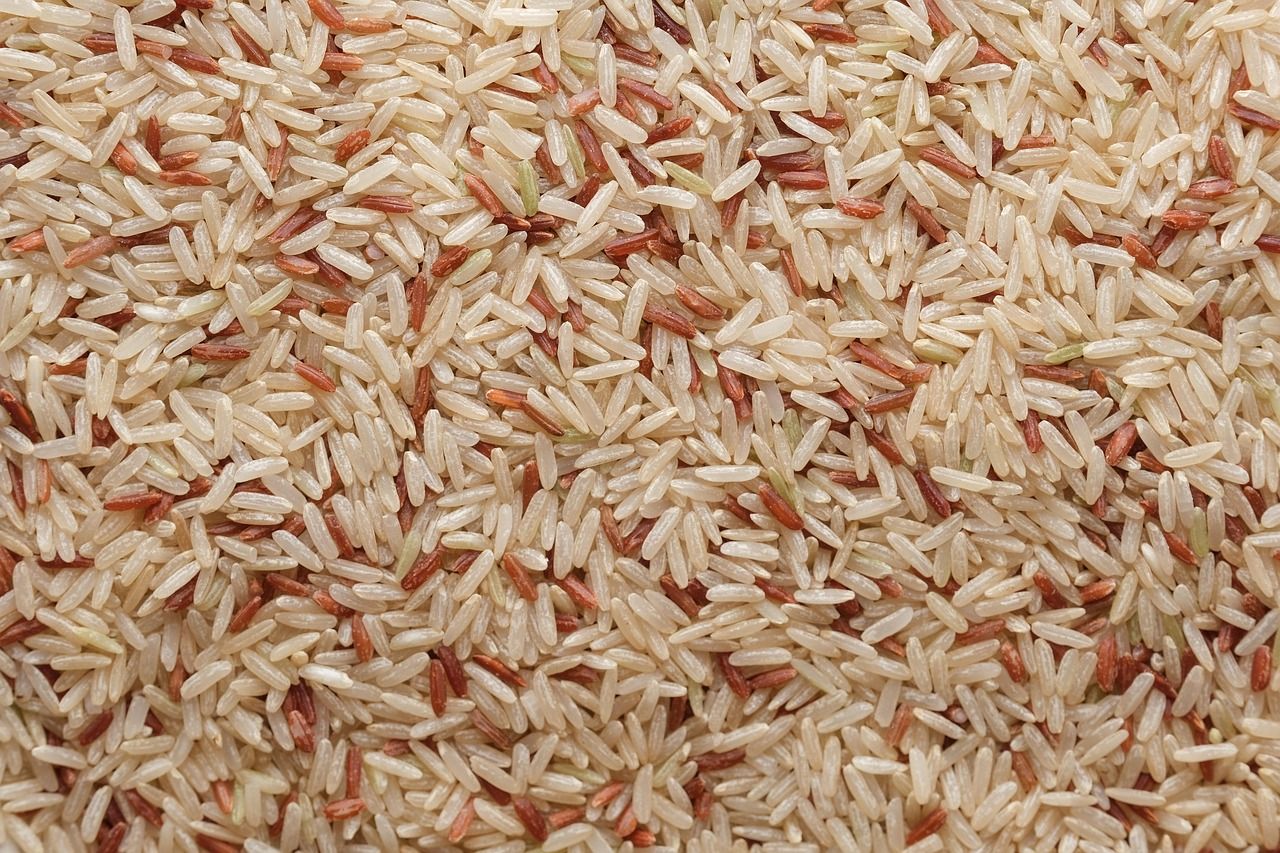
Representative image: SooYeongBeh / Pixabay
Tamil Nadu capped paddy, rice, tur and urad stocks on 13 November 2026: wholesalers 2,000 tonnes of rice, retailers 8 tonnes, with 16 November to comply.
What Happened
Tamil Nadu has put limits on how much paddy, rice, tur and urad traders may hold, in a bid to stop hoarding as rice prices climb across the state. The state government issued two orders under the Essential Commodities Act, 1955, on Friday, 13 November 2026: the Tamil Nadu Paddy/Rice (Stock Limit) Control Order, 2026, and the Tamil Nadu Tur and Urad Pulses (Storage Control) Order, 2026. Wholesalers may now keep no more than 2,000 tonnes of paddy or rice and retailers no more than eight tonnes an outlet. Anyone holding more than the limit has until Monday, 16 November 2026 to bring stocks down. Farmers who store or sell their own produce are not covered.
Tamil Nadu stock limit: key facts
- Two orders issued on 13 November 2026 under the Essential Commodities Act, 1955: one for paddy and rice, one for tur and urad pulses.
- Paddy and rice: wholesalers capped at 2,000 tonnes; retailers at eight tonnes per outlet.
- Processors: a limit of 60% of their monthly installed capacity, multiplied by the number of months left until January 2027.
- Pulses: wholesalers capped at 200 tonnes of each variety; retailers at five tonnes.
- Importers of rice and pulses may not hold imported stock for more than 45 days after customs clearance.
- Deadline to come within the limits: 16 November 2026; stock positions must be declared on the portal of the Department of Consumer Affairs.
- The rice order runs until 31 January 2027; the pulses order runs for three months.
- Farmers storing or selling their own crop are exempt.
Tamil Nadu stock limit: why it matters
Rice is the staple of almost every Tamil Nadu household, and the state has watched its price rise sharply through the autumn. Trade sources quoted in reports put Karnataka Ponni, a popular variety, at Rs 85 a kg, up from Rs 55 about 50 days earlier, while rice used for idli batter rose from Rs 35 to Rs 50 a kg. Wholesale Sona Masoori was quoted at Rs 65 to 70 a kg, against about Rs 50 a month before. Deficient and uneven rain this season has cut supplies and pushed up paddy prices in several markets.
When supply is short, traders with large godowns can hold back grain and wait for prices to rise further. A stock limit makes that harder. It forces large holders to sell down to a fixed level and to report what they hold, so the government can see where the grain is. The 45-day rule for imports is meant to stop imported rice and pulses from being parked in warehouses rather than sold.
The orders follow a decision by the Centre earlier this month. In letters dated 6 November, the Union government ordered traders to declare rice and paddy stocks and gave Andhra Pradesh, Karnataka, Kerala, Tamil Nadu and Telangana its consent to impose their own stock limits through state control orders. Tamil Nadu is among the first of those states to use that power, and its orders also extend to two pulses, tur and urad, which are central to the state's cooking.
The exemption for farmers matters. Small growers who keep paddy at home to sell later, or for their own use, will not be treated as hoarders. The limits fall on the trade: wholesalers, retailers, processors such as rice mills, and importers.
Peepals calculation: Karnataka Ponni's rise from Rs 55 to Rs 85 a kg is an increase of about 55% in roughly 50 days ((85 − 55) ÷ 55 = 0.545). Idli rice's rise from Rs 35 to Rs 50 is about 43% (15 ÷ 35). Wholesale Sona Masoori at Rs 65 to 70 against Rs 50 is 30% to 40% higher. A wholesaler's 2,000-tonne limit is 250 times a retailer's eight tonnes (2,000 ÷ 8). Our calculation from the reported figures.
| Item | Limit or rule |
|---|---|
| Wholesaler, paddy or rice | 2,000 tonnes |
| Retailer, paddy or rice | 8 tonnes per outlet |
| Wholesaler, tur or urad | 200 tonnes per variety |
| Retailer, tur or urad | 5 tonnes |
| Importer | Stock no older than 45 days after customs clearance |
Impact
Short-term: Traders and processors holding more than the limits must sell or move stock by 16 November and file their positions online. If large holders release grain, more rice may reach markets in the coming weeks, which could ease prices.
Long-term: The orders last only until the end of January 2027 for rice and three months for pulses. Whether prices settle will depend on the next harvest, on how much rice arrives from neighbouring states, and on whether other southern states impose similar limits. If supply stays short, the government may have to extend the orders or add other steps.
Who is affected: Rice and pulse wholesalers, retailers, rice mills and other processors, importers, and households across Tamil Nadu that buy rice, tur and urad. Farmers selling their own produce are not.
What to watch next: The 16 November 2026 compliance deadline, and the end of the rice order on 31 January 2027.
Key Takeaway
Tamil Nadu has capped stocks of paddy, rice, tur and urad held by traders until early 2027 to curb hoarding after rice prices rose by as much as 55% in about seven weeks.
Questions and Answers
What are the new Tamil Nadu stock limits on rice?
Under orders issued on 13 November 2026, wholesalers may hold up to 2,000 tonnes of paddy or rice and retailers up to eight tonnes per outlet. Processors may hold 60% of their monthly installed capacity multiplied by the months left until January 2027.
Do the stock limits apply to farmers?
No. Farmers who store their own paddy or sell their own produce are exempt. The orders cover wholesalers, retailers, processors and importers.
Until when do the Tamil Nadu stock limits last?
The paddy and rice order remains in force until 31 January 2027. The order on tur and urad pulses lasts for three months.
Why did Tamil Nadu impose stock limits on rice and pulses?
To stop hoarding as rice prices rose sharply after deficient and uneven rainfall. The Centre had given Tamil Nadu and four other southern states its consent to impose such limits in early November.
Disclaimer: Prepared by the Peepals newsroom from publicly available sources with AI assistance. Information is accurate to the best of our knowledge at the time of publication and may change. Images may be representative. Not professional advice. Report an error via our contact page.
By Arjun Mehta, Staff WriterCovers Start-ups & Opportunities and more for Peepals Business. All stories by Arjun Mehta
Greenjoules leads as Indian startups raise just $25.2 million in a week
Hong Kong raises 2026 growth forecast to 4.8% on AI electronics exports
Get the day's stories in your inbox
Peepals Weekly: the week decoded, free. One email a week, unsubscribe in one click.
Arjun Mehta is a pen name of the Peepals Global Editorial Team, which researches, fact-checks and publishes every story. The portrait is an illustration.
Responsible for this story: the Peepals Global Editorial Team, led by editor Prashant Sonar. How we report