
Sugar quota for late November: 13 lakh tonnes for 587 mills
 By Neha KapoorStaff Writer, Peepals Business
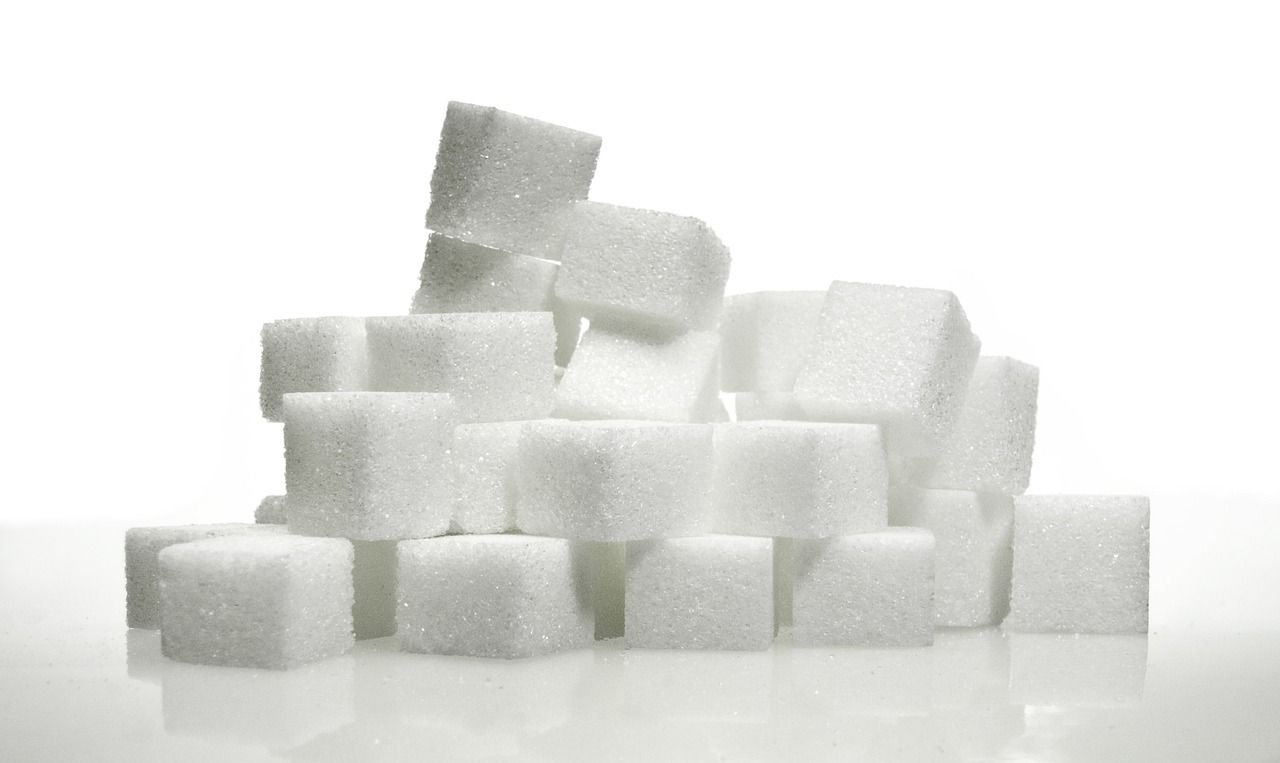
Representative image: Humusak / Pixabay
The Centre set the sugar sale quota for 15-30 November 2026 at 13 lakh tonnes for 587 mills, taking November's release to 26 lakh tonnes.
What Happened
The Centre has fixed the quota of sugar that mills may sell in the domestic market for the second half of November 2026 at 13 lakh tonnes (LMT), the Department of Food and Public Distribution said on Friday, 13 November 2026. The quota covers 15 to 30 November and is shared among 587 mills, taking the total released for November to 26 LMT. Mills that file their first-fortnight sales details late, after 18 November, risk losing their December quota, according to trade reports of the notification.
Sugar quota November 2026: key facts
- Quota: 13 LMT for 15 to 30 November 2026, across 587 sugar mills.
- November total: 26 LMT, including the first fortnight's release.
- Extra sales: mills may also sell any sugar they produce up to 30 November beyond their quota, which covers mills that began crushing cane in October or are starting in November, according to trade reports.
- Deadline: mills must file first-fortnight sales details by 18 November 2026, or may lose their December release.
- State shares include Gujarat at 41,412 tonnes and Tamil Nadu at 31,022 tonnes; Rajasthan's share is the smallest, at 103 tonnes, trade reports show.
- System: the monthly quota was replaced by a fortnightly one from September 2026, to curb price swings, short-selling and hoarding at the end of each month, according to reports.
- Prices: the all-India average retail price of sugar was Rs 60.53 a kg on 12 November, after having at one point crossed Rs 70 a kg, according to an IANS report.
Sugar quota November 2026: why it matters
India controls how much sugar its mills can sell at home through a release quota. By deciding how much sugar enters the market each fortnight, the government tries to keep supplies steady and prevent sharp jumps or falls in prices. For mills, the quota decides how much of their stock they can turn into cash in a given period, which affects their ability to pay sugarcane farmers on time.
The shift to fortnightly quotas is meant to smooth out the market. Under a monthly system, sales and prices tended to bunch up at the start or end of each month. Smaller, more frequent releases give the government closer control and make hoarding less attractive. The permission to sell extra sugar produced up to 30 November helps mills that have just started the new crushing season to raise money early.
For households, the figures suggest that prices have come down from their peak. An average retail price of Rs 60.53 a kg is well below the Rs 70 mark reported earlier, though still high enough to keep the issue under watch. For cane farmers, steady sales by mills matter because mills pay for cane from what they earn by selling sugar.
Peepals calculation: Shared among 587 mills, the 13 LMT quota averages about 2,215 tonnes a mill (13,00,000 ÷ 587). Gujarat's 41,412 tonnes is about 3.2% of the fortnight's quota (41,412 ÷ 13,00,000), and Tamil Nadu's 31,022 tonnes about 2.4%. If the retail price had touched Rs 70 a kg, the 12 November average of Rs 60.53 is at least 13.5% lower ((70 − 60.53) ÷ 70). Our calculation from the reported figures.
| Item | Figure |
|---|---|
| Second-fortnight quota | 13 LMT (15-30 November 2026) |
| November total | 26 LMT |
| Mills covered | 587 |
| Average retail price, 12 November | Rs 60.53 a kg |
Impact
Short-term: Mills will sell within their quotas through 30 November and must file their first-fortnight sales details by 18 November to protect their December release.
Long-term: The fortnightly system, if it keeps prices steady, may become the standard way of managing domestic sugar supply. Its success will be judged by retail prices and by how promptly mills pay cane farmers during the season.
Who is affected: Sugar mills, sugarcane farmers, traders and bulk buyers such as food and drink makers, and households who buy sugar.
What to watch next: The 18 November 2026 deadline for mills' first-fortnight sales reports and the government's quota for the first half of December.
Key Takeaway
The Centre has allowed sugar mills to sell 13 LMT in the second half of November 2026, taking the month's release to 26 LMT, as average retail sugar prices stood at Rs 60.53 a kg.
Questions and Answers
What is the sugar quota for the second fortnight of November 2026?
13 lakh tonnes, for sale by 587 mills between 15 and 30 November 2026, according to the Department of Food and Public Distribution. November's total release is 26 lakh tonnes.
Why does India fix sugar quotas fortnightly now?
From September 2026 the government moved from monthly to fortnightly releases to reduce price swings, short-selling and hoarding at the end of each month, according to reports.
What is the deadline for sugar mills in November 2026?
Mills must file their first-fortnight sales details by 18 November 2026; those that do not may lose their December quota.
What is the retail price of sugar in India now?
The all-India average retail price was Rs 60.53 a kg on 12 November 2026, according to an IANS report.
Disclaimer: Prepared by the Peepals newsroom from publicly available sources with AI assistance. Information is accurate to the best of our knowledge at the time of publication and may change. Images may be representative. Not professional advice. Report an error via our contact page.
By Neha Kapoor, Staff WriterCovers Economy and more for Peepals Business. All stories by Neha Kapoor
PLI schemes report: 76% of investment goal, only 28% of jobs target
Automotive Axles share price jumps 17% as Q2 profit rises 67%
Get the day's stories in your inbox
Peepals Weekly: the week decoded, free. One email a week, unsubscribe in one click.
Neha Kapoor is a pen name of the Peepals Global Editorial Team, which researches, fact-checks and publishes every story. The portrait is an illustration.
Responsible for this story: the Peepals Global Editorial Team, led by editor Prashant Sonar. How we report