
Haryana shrimp farmers get solar subsidy for up to 30 kW, Rs 9 lakh
 By Rohit SharmaMarkets Analyst, Peepals Business
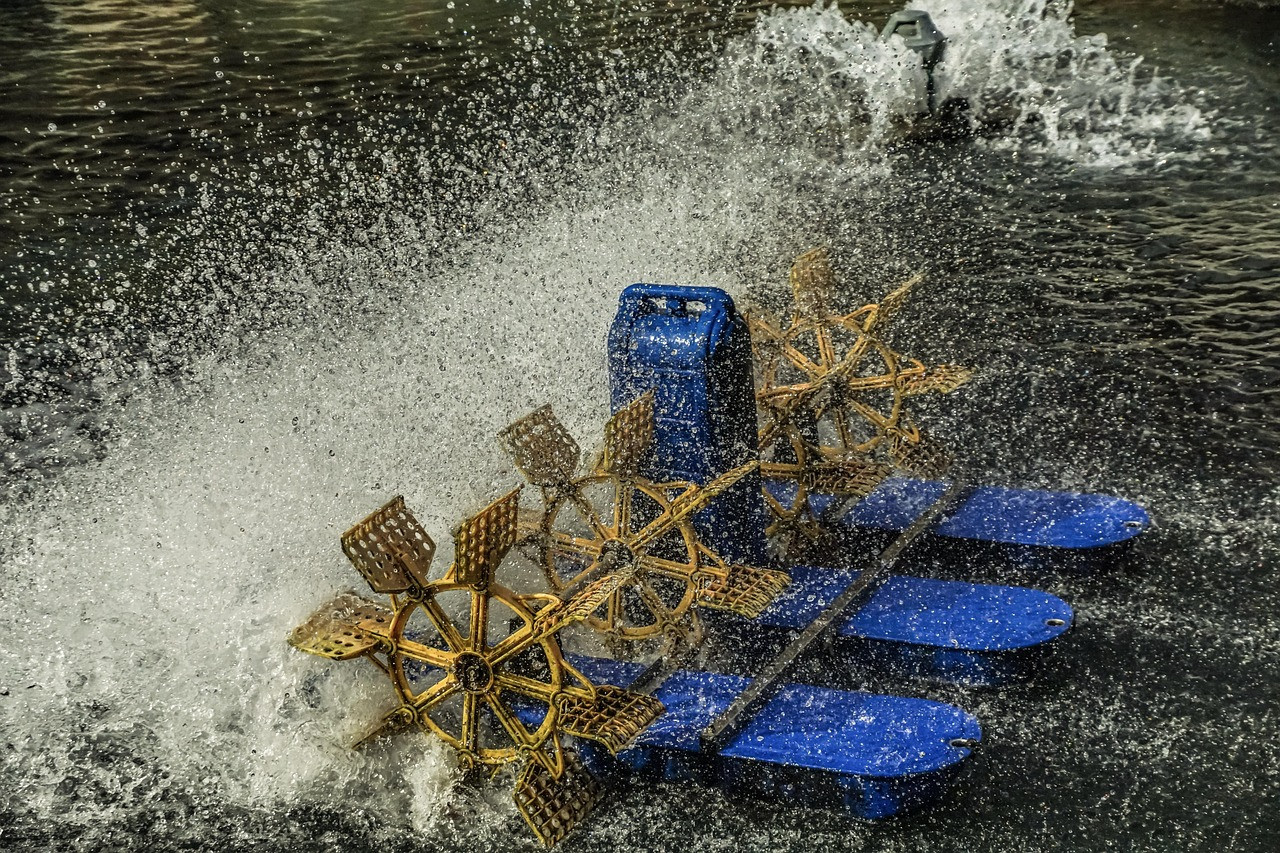
Representative image: suju-foto / Pixabay
Haryana raised the subsidised solar capacity for shrimp farms from 10 kW to 30 kW on 10 November 2026, paying 60% of cost, up to Rs 9 lakh per farmer.
What Happened
The Haryana government has tripled the solar power capacity it will subsidise for shrimp farmers, from 10 kW to 30 kW, with help of up to Rs 9 lakh for each farmer, the state's fisheries minister Shyam Singh Rana announced on Tuesday, 10 November 2026. Under the state's Intensive Fisheries Development Programme for 2025-26, a solar system for white shrimp farming is costed at Rs 50,000 per kW, and the state pays 60 per cent of the approved cost. Rana said the change was made because shrimp farmers face high electricity and generator bills.
Key Facts
- Subsidised solar capacity for shrimp farms raised from 10 kW to 30 kW.
- Approved project cost: Rs 50,000 per kW, up to a maximum of Rs 15 lakh for a 30 kW system.
- Subsidy rate: 60 per cent of the approved project cost.
- Maximum help per farmer: Rs 9 lakh.
- Scheme: the Haryana Intensive Fisheries Development Programme 2025-26.
- Reason given: high electricity and generator costs faced by shrimp farmers, according to the minister.
- The state also plans Integrated Aqua Parks in Sirsa and Bhiwani districts, according to the same announcement.
Why It Matters
Shrimp farming in Haryana is unusual. The state has no coastline, yet farmers in several districts grow white shrimp (the Pacific white-leg shrimp) in ponds filled with salty groundwater. Parts of the state have land that has become too saline or waterlogged to grow wheat or paddy well, and the state government has promoted shrimp ponds as a way to earn from that land. The minister has in the past pushed for saline-affected land to be reclaimed in this way.
The catch is power. Shrimp ponds need aerators, the paddle-wheel machines that churn the water to keep oxygen levels up, running for long hours, especially at night and in hot weather. Where the grid supply is irregular, farmers run diesel generators, which raises costs and makes a farm's profit depend on fuel prices. A larger solar system lets a farm run more of its aerators and pumps on its own power during the day, cutting grid bills and generator hours. The old 10 kW cap was, in practice, too small for many commercial ponds, which is why the state raised it.
The change also fits a wider push. Haryana has been building up fish and shrimp farming as a rural business, and the planned Integrated Aqua Parks in Sirsa and Bhiwani are meant to bring services such as seed, feed, testing and marketing closer to farmers. Details of the aqua parks, such as their cost and opening dates, were not given in the announcement.
Peepals calculation: at the approved rate of Rs 50,000 per kW and a 60 per cent subsidy, the state pays Rs 30,000 for every kW installed and the farmer pays Rs 20,000. For the full 30 kW system, that is Rs 9 lakh from the state (0.60 × Rs 15 lakh) and Rs 6 lakh from the farmer (0.40 × Rs 15 lakh). A farmer who installs 20 kW would get Rs 6 lakh (0.60 × Rs 10 lakh). Our calculation from the reported figures.
| System size | Approved cost | State subsidy (60%) | Farmer's share (40%) |
|---|---|---|---|
| 10 kW | Rs 5 lakh | Rs 3 lakh | Rs 2 lakh |
| 20 kW | Rs 10 lakh | Rs 6 lakh | Rs 4 lakh |
| 30 kW | Rs 15 lakh | Rs 9 lakh | Rs 6 lakh |
The table applies the current rate and subsidy share to each size; it is our arithmetic, not a separate official schedule.
Impact
Short-term: Shrimp farmers who were limited to a 10 kW subsidised system can now apply for help with up to 30 kW, which could cover more of their aerators and pumps.
Long-term: If more farms move from diesel generators to solar power, running costs could become steadier and less tied to fuel prices, making shrimp ponds on saline land a more dependable rural business.
Who is affected: shrimp farmers in Haryana's saline and waterlogged districts, solar equipment installers, and the state fisheries department, which processes the applications.
What to watch next: the development of the Integrated Aqua Parks in Sirsa and Bhiwani that the state has announced.
Key Takeaway
Haryana now subsidises solar systems of up to 30 kW for shrimp farms, paying 60 per cent of a Rs 50,000-per-kW cost, which means up to Rs 9 lakh per farmer.
Questions and Answers
How much solar subsidy can a Haryana shrimp farmer get now?
Up to Rs 9 lakh. The state pays 60 per cent of the approved project cost, which is fixed at Rs 50,000 per kW, for a system of up to 30 kW, so the maximum approved cost is Rs 15 lakh.
What was the old limit for the Haryana shrimp solar subsidy?
The subsidised solar capacity was capped at 10 kW. The government raised it to 30 kW, announced on 10 November 2026.
Why do shrimp farms need so much power?
Shrimp ponds use aerators, machines that stir the water to keep oxygen levels up, often for many hours a day, along with water pumps. Haryana's fisheries minister said high electricity and generator costs were the reason for raising the limit.
Under which scheme is the subsidy given?
Under Haryana's Intensive Fisheries Development Programme for 2025-26, which sets the cost of solar systems for white shrimp farming.
Disclaimer: Prepared by the Peepals newsroom from publicly available sources with AI assistance. Information is accurate to the best of our knowledge at the time of publication and may change. Images may be representative. Not professional advice. Report an error via our contact page.
By Rohit Sharma, Markets AnalystCovers Markets Watch and more for Peepals Business. All stories by Rohit Sharma
PLFS July-September 2026: unemployment falls to 5.1% as rural jobless rate drops
Ocean Infinity wins £90 million Royal Navy drone deal for Atlantic Net
Get the day's stories in your inbox
Peepals Weekly: the week decoded, free. One email a week, unsubscribe in one click.
Rohit Sharma is a pen name of the Peepals Global Editorial Team, which researches, fact-checks and publishes every story. The portrait is an illustration.