
RBI gold reserve: 60 tonnes brought home, 84% now in Indian vaults
 By Neha KapoorEconomy Correspondent, Peepals Business
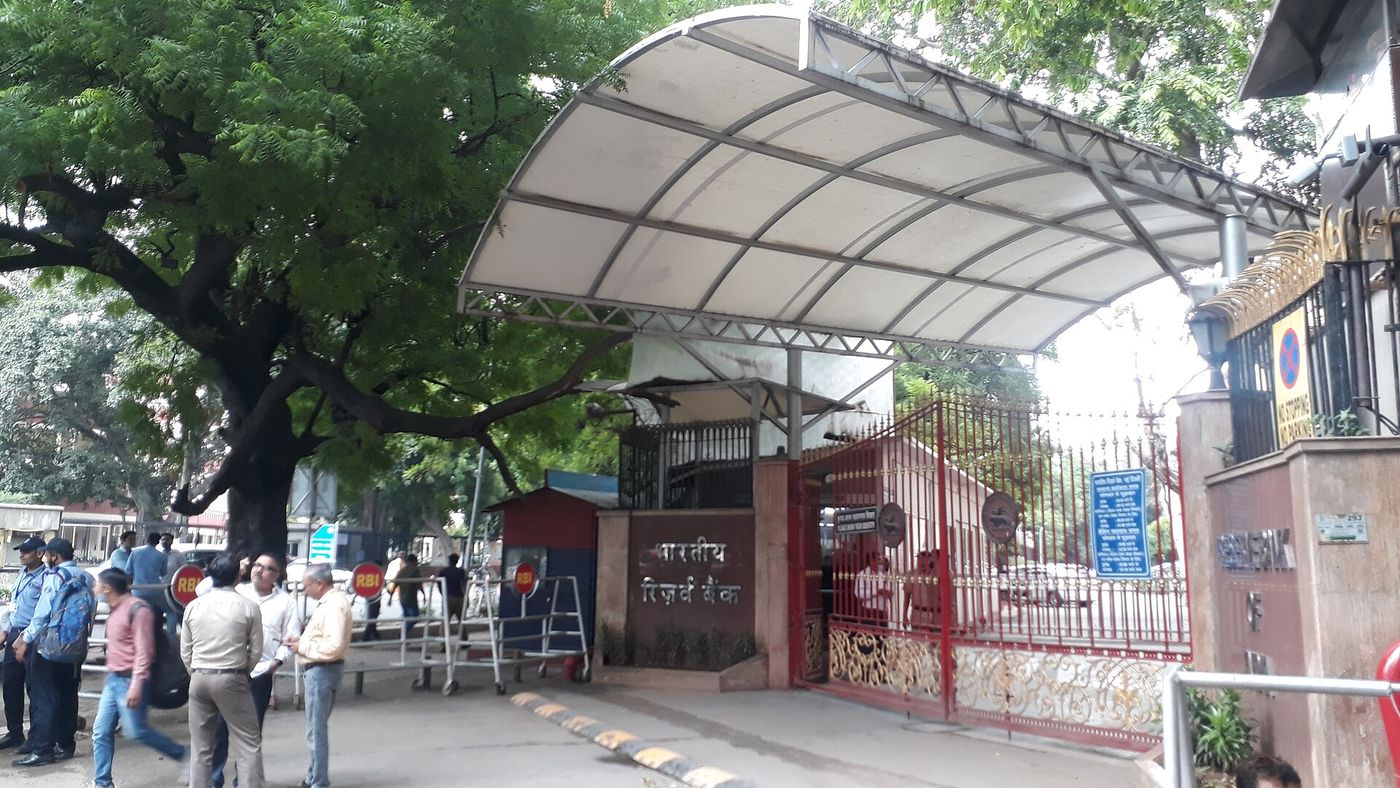
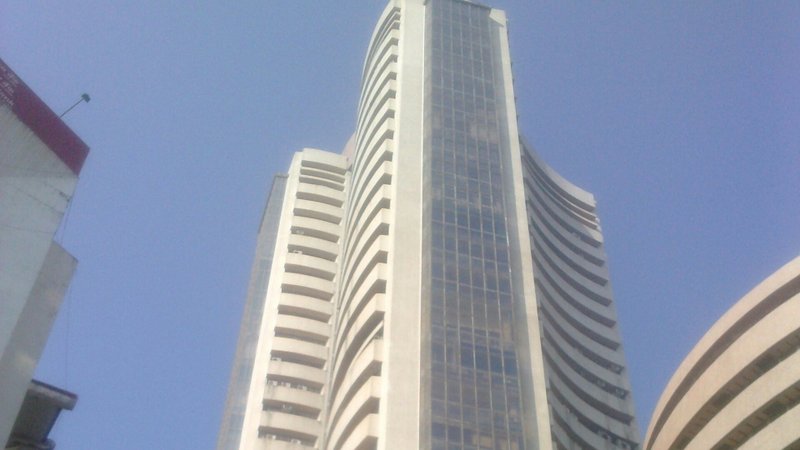
File photo: Pinakpani (CC BY-SA 4.0), via Wikimedia Commons
RBI moved about 60 tonnes of gold home in April-September 2026, so 84% of its 880.52 tonnes now sits in India; gold's reserve share fell to 14.38%.
RBI gold reserve: what happened
The Reserve Bank of India (RBI) moved about 60 tonnes of gold from vaults abroad to vaults in India between April and September 2026, according to its half-yearly report on the management of foreign exchange reserves, released on Wednesday, 25 November 2026. Gold held in India rose from 680.05 tonnes at the end of March to 740.13 tonnes at the end of September, while the central bank's total gold holdings stayed unchanged at 880.52 tonnes because it bought no new gold in those six months.
RBI gold reserve: key facts
- Gold kept in India rose by 60.08 tonnes in the six months to September, to 740.13 tonnes.
- Total gold holdings stayed at 880.52 tonnes; the RBI made no purchases between April and September.
- The gold still held abroad, about 140.39 tonnes, is kept mainly with the Bank of England and the Bank for International Settlements (BIS).
- Gold's share of India's total foreign exchange reserves fell from 16.70% at the end of March to about 14.38% at the end of September.
- Total reserves rose over the same period, from $691.11 billion to $737.78 billion.
- The value of the gold fell from about $115 billion to about $106 billion as gold prices eased.
RBI gold reserve: why it matters
Where a central bank keeps its gold is a policy choice. Gold stored abroad, in centres such as London, is easy to use for trading, swaps or as collateral in international markets. Gold stored at home is under the central bank's direct physical control. This latest transfer takes the share kept in India from about three-quarters in March to more than four-fifths in September.
The pause in buying is the second notable signal. Six months without a purchase does not mean the RBI has turned against gold, but it shows that, at recent prices, the central bank chose to hold rather than add.
The fall in gold's share of reserves is mostly a price effect, not a sale. Total reserves grew by about $47 billion over the half-year while the gold pile stayed the same size in tonnes, and the gold itself lost value. Both forces pushed gold's percentage down.
For households and businesses, the report changes nothing immediately: the size of India's reserves, which act as a buffer for the rupee and for paying for imports, remains large. But how the RBI holds those reserves, and in what mix, shapes how well India can handle shocks such as a sudden outflow of foreign money or a spike in oil prices.
Peepals calculation: Domestic gold rose by 60.08 tonnes (740.13 − 680.05). The 740.13 tonnes in India plus 140.39 tonnes abroad make up the full 880.52 tonnes, so the share held at home is about 84.1% (740.13 ÷ 880.52), up from about 77.2% in March (680.05 ÷ 880.52). Gold's value fell by about $9 billion ($115 billion to $106 billion), while total reserves rose by $46.67 billion ($737.78 billion − $691.11 billion). Our calculation from the reported figures.
| Measure | End-March 2026 | End-September 2026 |
|---|---|---|
| Gold held in India (tonnes) | 680.05 | 740.13 |
| Total gold holdings (tonnes) | 880.52 | 880.52 |
| Gold share of forex reserves | 16.70% | 14.38% |
| Total forex reserves | $691.11 billion | $737.78 billion |
RBI gold reserve: impact
Short-term: The repatriation has no direct effect on the rupee or on interest rates. Markets will read the six-month pause in purchases as a sign that the RBI is cautious about adding gold at current prices.
Long-term: With more than four-fifths of its gold now at home, the RBI has more direct control over a key reserve asset. A smaller share of reserves in gold, if it lasts, would give the foreign currency part of the reserves a bigger role in defending the rupee.
Who is affected: The RBI and the government, which manage India's external buffers; banks and traders who follow the central bank's gold policy; and, indirectly, every household and business that depends on a stable rupee.
RBI gold reserve: key takeaway
Watch the RBI's weekly reserve data and its next half-yearly report to see whether the pause in gold buying continues and whether more of the remaining 140 tonnes abroad is brought home.
RBI gold reserve: questions and answers
How much gold did the RBI bring back to India in 2026?
About 60 tonnes (60.08 tonnes) between April and September 2026, raising gold held in India to 740.13 tonnes, according to the RBI's half-yearly report on foreign exchange reserves.
How much gold does the RBI hold in total?
880.52 tonnes at the end of September 2026, unchanged from March because the RBI bought no gold in those six months.
Where is the rest of the RBI's gold kept?
About 140.39 tonnes is held abroad, mainly with the Bank of England and the Bank for International Settlements.
Why did gold's share of the reserves fall if no gold was sold?
Because total reserves grew from $691.11 billion to $737.78 billion while the value of the gold fell from about $115 billion to about $106 billion as prices eased, so gold became a smaller part of a bigger total.
Disclaimer: Prepared by the Peepals newsroom from publicly available sources with AI assistance. Information is accurate to the best of our knowledge at the time of publication and may change. Images may be representative. Not professional advice. Report an error via our contact page.
By Neha Kapoor, Economy CorrespondentCovers Economy and more for Peepals Business. All stories by Neha Kapoor
Nutanix CEO Rajiv Ramaswami to step down; shares slide despite Q1 beat
Mrugesh Trading share price up 285% in six months on Rs 14 lakh profit
Your week ahead, every Sunday. Free.
Exam and result dates, IPOs opening, scheme deadlines, government holidays and the RBI decision for the next 7 days, plus the week's top stories. One email a week, unsubscribe in one click.
Neha Kapoor is a pen name of the Peepals Global Editorial Team, which researches, fact-checks and publishes every story. The portrait is an illustration.
Responsible for this story: the Peepals Global Editorial Team. How we report